


South Korean graduate unemployment hits 5-year high amid AI shift
Translated from Korean, summarized and contextualized by DistantNews.
At a glance
News
Sources not specified
Context piece
- South Korea's unemployment rate for college graduates and above reached its highest in five years in the second quarter, with 481,000 individuals jobless.
- Companies increasingly prefer experienced hires over new graduates, a trend exacerbated by the rise of generative AI, which is reducing entry-level positions.
- Projections indicate South Korea will have the highest AI adoption rate among major economies within a decade, potentially worsening the youth employment crisis.
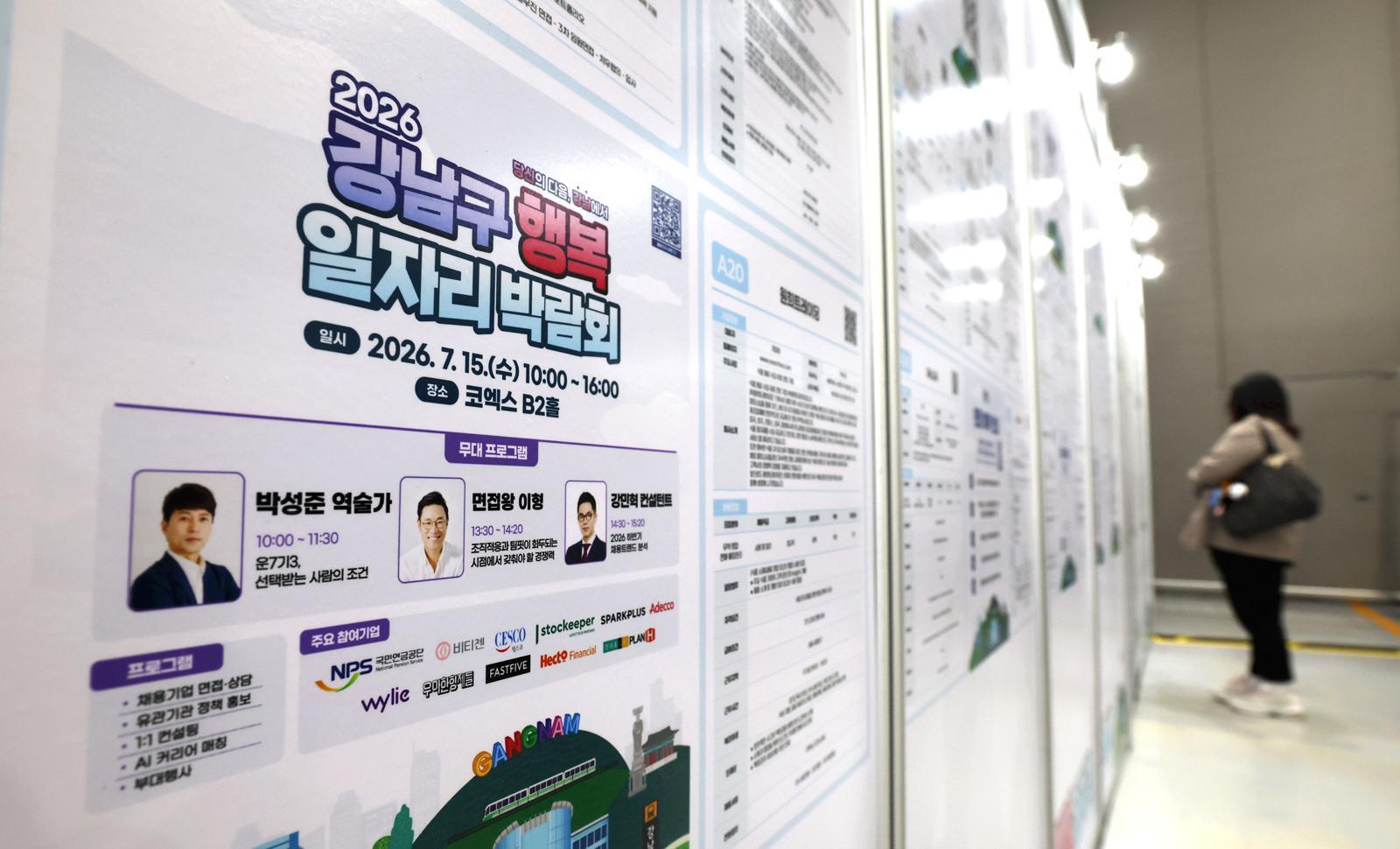
South Korea is grappling with a significant increase in unemployment among college graduates, reaching its highest level in five years with 481,000 individuals jobless in the second quarter. This surge is attributed to companies favoring experienced professionals over new graduates, a shift amplified by the growing use of generative artificial intelligence (AI) in the workplace. AI's ability to handle routine tasks has led to a sharp decline in entry-level job postings, leaving many young job seekers struggling to find employment.
Lee Sang-gyu, a 31-year-old IT development hopeful, exemplifies this challenge. Despite graduating with a degree in information and communication engineering, he has been unemployed for a year, having applied to dozens of companies without success. His situation reflects a broader concern that AI is encroaching on job opportunities, particularly for those entering the workforce.
The trend is expected to intensify as South Korea is projected to lead major economies in AI adoption within a decade, with its adoption rate potentially reaching 50%. While AI is expected to boost productivity, its rapid integration poses a significant challenge to the labor market, especially for young workers. The National Assembly Budget Office suggests increased investment in AI tailored to specific industries is crucial for long-term growth, given the limitations of labor and capital in an aging society.
Compounding the issue, employment in professional, scientific, and technical services saw its largest drop since 2013, with 88,000 fewer jobs. Manufacturing also continued its decline. This dual pressure of reduced hiring and AI adoption could further shrink new graduate opportunities in both office and professional roles, while manufacturing employment remains sluggish. The government has acknowledged this by lowering its employment growth forecast despite raising its economic growth projections, highlighting a disconnect between economic expansion and job creation.
I have applied to dozens of companies but haven't found a job, and I've been looking for a year.
DistantNews Editorial
Originally published by Dong-A Ilbo in Korean. Translated, summarized, and contextualized by our editorial team with added local perspective. Read our editorial standards.
More Stories


From Our Blog

What Gets Lost (and Found) When News Is Translated

The Critical Role of Diaspora Media in Global News

What Travellers Should Know About Countries with Restricted Press

A Digital Nomad's Guide to Following Local News

How the Same Story Looks Different in Different Countries
