



South Korean High School Baseball Team's Hate Chant Ban Sparks Debate
Translated from Korean, summarized and contextualized by DistantNews.
At a glance
News
Sources not specified
Context piece
- Baejae High School's baseball team received a six-month ban from national tournaments for using discriminatory chants against opponents.
- The chants, referencing a controversial event involving Starbucks Korea, were interpreted as mocking and hateful, sparking widespread debate about the severity of the punishment.
- While some argue the ban is excessive and could harm students' future careers, others believe it's a necessary deterrent against hate speech in sports.
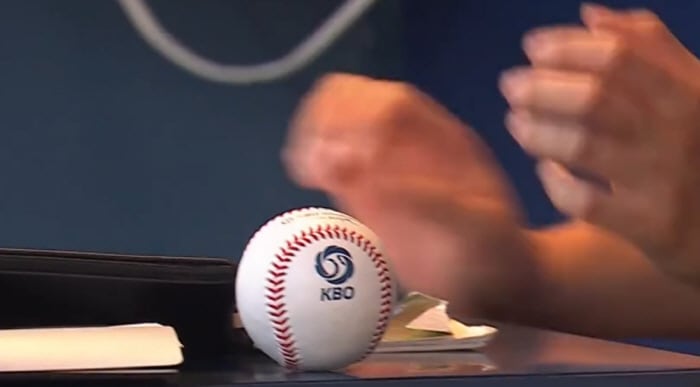
The baseball team of Baejae High School faces a six-month suspension from national tournaments following the use of discriminatory chants against the opposing team, Gwangju Jeil High School, during a recent tournament. The incident, which occurred during the 81st Cheongryonggi National High School Baseball Championship, involved players shouting "Let's go to Starbucks," a phrase interpreted as a taunt referencing a recent controversial event involving Starbucks Korea and a historical South Korean uprising.
I don't think the punishment for Baejae High is excessive. The future will be even bleaker if we tolerate such incidents. A culture of cheering that mocks and belittles opponents should not be allowed. This is the last chance to correct the entire culture of high school baseball.
The decision by the Korea Baseball Softball Association (KBSA) has ignited a heated debate. While the KBSA views the six-month ban as a necessary "exemplary punishment" to deter future incidents, concerns are mounting about its impact on the students' academic and professional futures. The ban prevents Baejae High from participating in upcoming tournaments, potentially affecting their eligibility for college athletic programs and even professional team drafts, as team and individual records are often considered.
Supporters of the strict penalty argue that it is crucial to curb the spread of hateful and mocking behavior in sports. Professor Jung Yong-cheol of Sogang University, who previously served on the Sports Innovation Committee, stated that the punishment is not excessive and represents a "last chance" to reform the culture of high school baseball. Professor Ryu Tae-ho of Korea University echoed this sentiment, calling the chants a manifestation of "everyday hate play" that has infiltrated sports, emphasizing the need for greater discipline and respect from student-athletes.
Everyday hate play has transferred to the field. Players represent their schools, so they must be more restrained, considerate, and respectful. Therefore, more special education is needed.
Conversely, voices from within the educational sector express reservations about the severity of the punishment, advocating for a more educational approach. Some educators worry that immediate disciplinary action might silence students without addressing the root causes of such behavior. There are also calls for a broader investigation into the culture of cheering in high school baseball, rather than focusing solely on punitive measures against one team. Experts suggest that establishing clear norms and fostering a shared understanding of why hate speech is problematic in sports are more critical than simply debating the length of a suspension.
When students are involved, and their college admissions and professional careers are at stake, shouldn't an investigation come before the punishment?
DistantNews Editorial
Originally published by Hankyoreh in Korean. Translated, summarized, and contextualized by our editorial team with added local perspective. Read our editorial standards.
More Stories

From Our Blog

What Gets Lost (and Found) When News Is Translated

The Critical Role of Diaspora Media in Global News

What Travellers Should Know About Countries with Restricted Press

A Digital Nomad's Guide to Following Local News

How the Same Story Looks Different in Different Countries
