


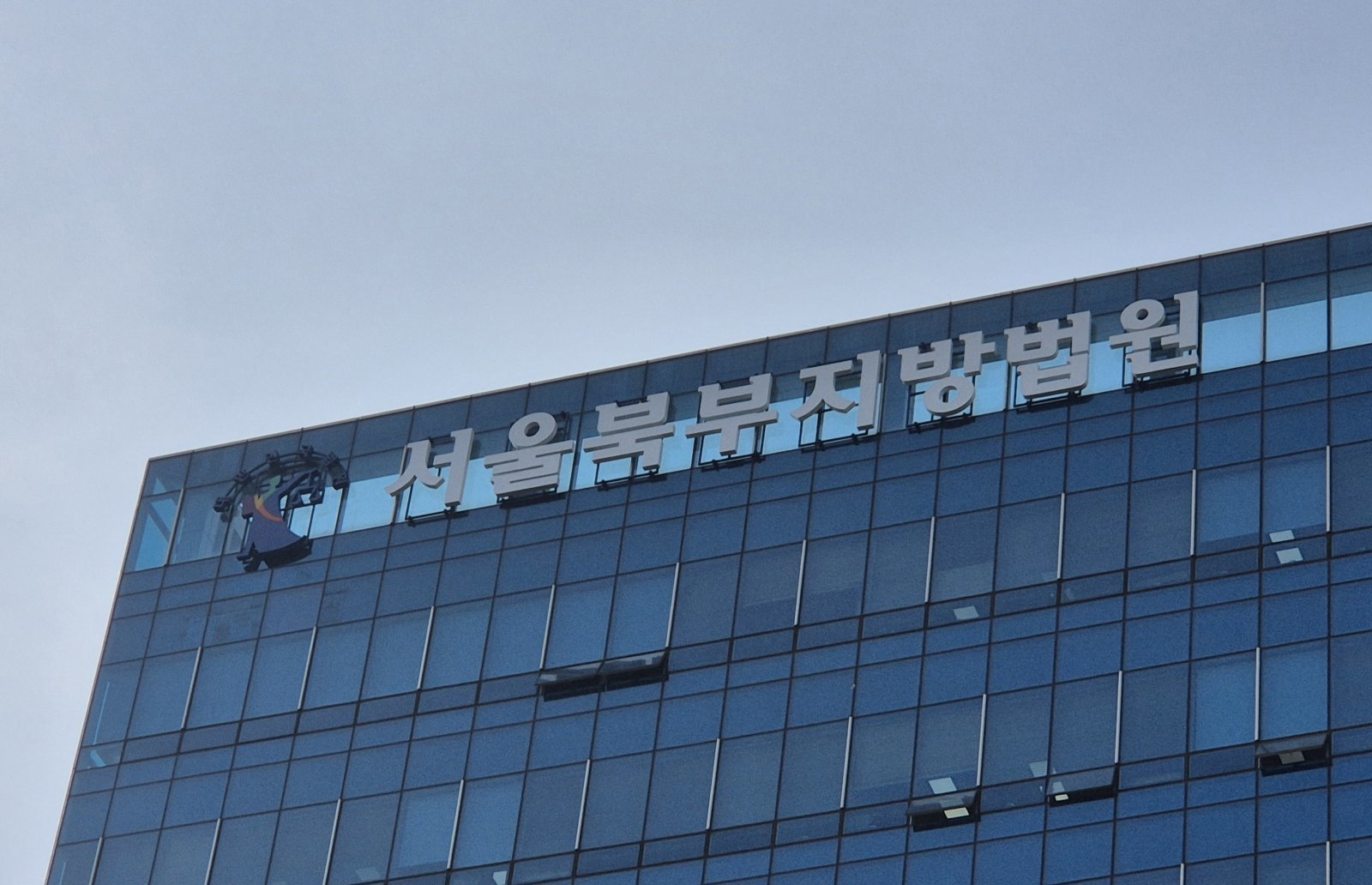
South Korean landlord sentenced to 12 years for $16 million "jeonse" scam targeting students
Translated from Korean and summarized by DistantNews. Read the original for the full story.
At a glance
News
Sources not specified
Outcome reported
- A landlord in Seoul has been sentenced to 12 years in prison for a 16.27 billion won ($16 million) "jeonse" scam that defrauded 154 victims, many of whom were university students.
- The landlord used forged documents to secure loans and operated a "pay-as-you-go" scheme to cover existing deposit obligations.
- The landlord's sister received a suspended prison sentence for aiding and abetting the fraud, which caused over 1.5 billion won in damages to 12 victims.
A landlord in Seoul's Dongdaemun-gu district has received a 12-year prison sentence for orchestrating a massive "jeonse" scam, defrauding 154 victims out of approximately 16.27 billion won ($16 million). The victims were primarily university students and young professionals, who lost their security deposits after their lease agreements expired and the landlord failed to return the funds.
The business structure of the case was a form of "dolryeomakgi" (a "pay-as-you-go" or "robbing Peter to pay Paul" scheme) where funds were raised through additional loans and "jeonse" contracts to pay off existing "jeonse" deposits.
The court found the landlord, identified as Mr. Kim, guilty of fraud and document forgery. Prosecutors revealed that Kim not only failed to return deposits but also forged 139 lease agreements to obtain fraudulent loans totaling 2.04 billion won. The court described Kim's operation as a "pay-as-you-go" scheme, where new deposits and loans were used to repay existing obligations, a practice that ultimately became unsustainable.
During the trial, Kim attempted to argue that he had the capacity to repay during certain periods, but the court rejected this defense. The judges emphasized that Kim was aware of his inability to return the deposits, citing his financial situation and lack of liquid assets beyond real estate. The court also noted the significant financial and emotional distress inflicted upon the victims, many of whom were students from nearby universities like Kyung Hee University and Hankuk University of Foreign Studies.
Considering that defaults on financial institutions began to occur, and that Kim did not appear to possess liquid assets such as cash or deposits besides real estate that could serve as repayment sources, it is reasonable to conclude that Kim was aware of the possibility of being unable to return the deposits and proceeded with the fraudulent scheme.
While some of the stolen funds were recovered through property sales and auctions, the amount is insufficient to cover the full extent of the damages. Kim's sister was also implicated, receiving a three-year suspended sentence for aiding and abetting the fraud, which impacted 12 victims and resulted in over 1.5 billion won in losses.
Kim denied the crime with implausible excuses, has not recovered a significant portion of the damages, and has not received forgiveness from most of the victims.
The sentencing concludes a case that has been ongoing since the prosecution's initial indictment in October 2024. The court's decision highlights the severe consequences for those who exploit vulnerable individuals through fraudulent schemes, particularly impacting young people starting their independent lives.
A considerable number of victims were university students or young professionals, and they appear to be suffering not only financial but also significant emotional distress.
About this summary
Originally published by Dong-A Ilbo in Korean. Translated, summarized, and contextualized automatically by DistantNews, with a note on how the source frames the story. Not individually reviewed before publishing. How this works.
More Stories


From Our Blog

What Gets Lost (and Found) When News Is Translated

The Critical Role of Diaspora Media in Global News

What Travellers Should Know About Countries with Restricted Press

A Digital Nomad's Guide to Following Local News

How the Same Story Looks Different in Different Countries
