


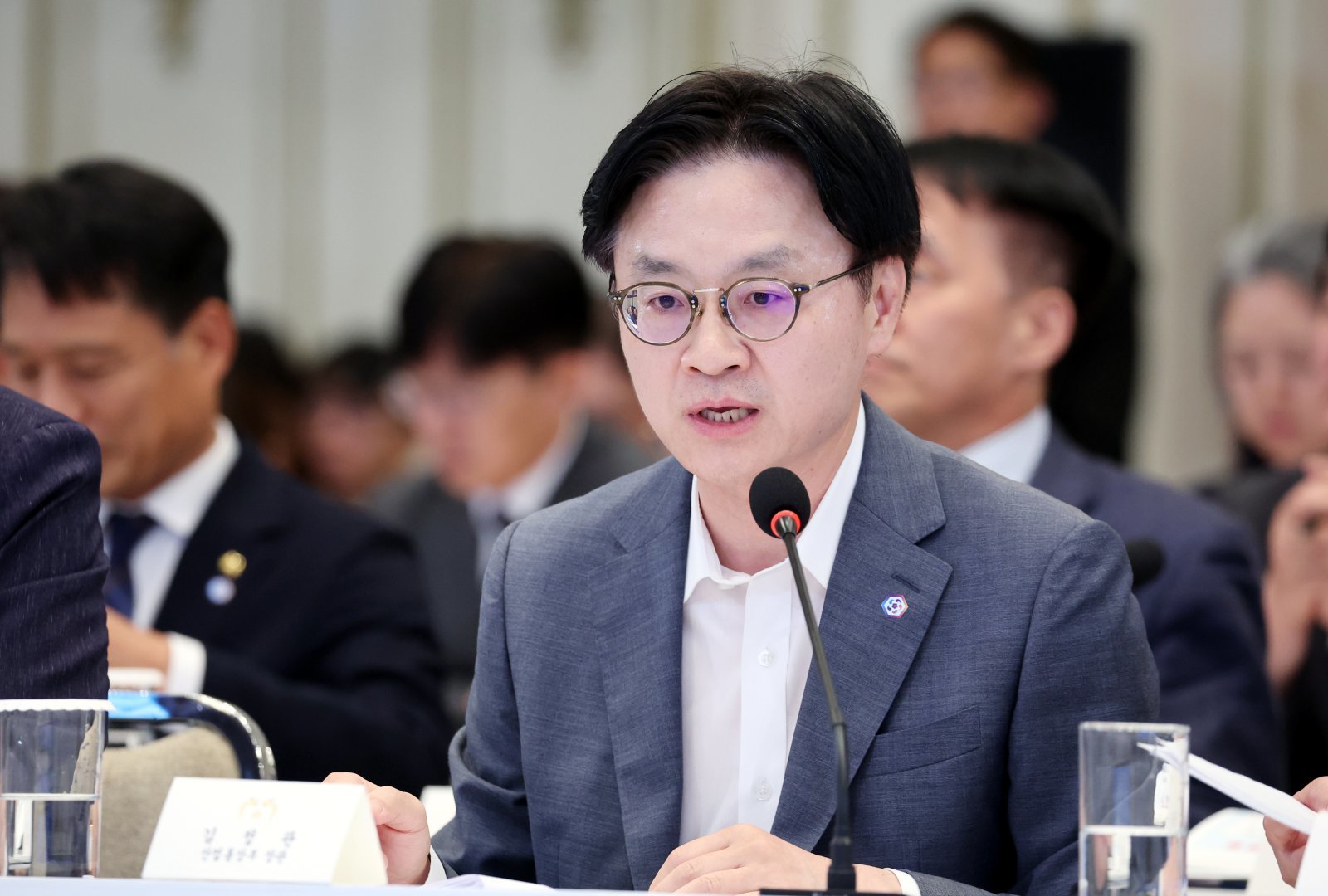
South Korean minister: 52-hour workweek shouldn't block willingness to work
Translated from Korean, summarized and contextualized by DistantNews.
At a glance
News
Sources not specified
Context piece
- South Korea's Minister of Trade, Industry and Energy, Ahn Duk-geun, stated that the 52-hour workweek system should not hinder the willingness of people to work, particularly in semiconductor R&D.
- He argued that South Korea's competitiveness, especially against China, requires flexible work arrangements, citing an example of Chinese workers pushing for longer hours to compete.
- The minister emphasized that restricting work hours could lead to fewer job opportunities for young people, advocating for flexibility across various sectors like startups.
South Korea's Minister of Trade, Industry and Energy, Ahn Duk-geun, has called for flexibility in the 52-hour workweek system, arguing it should not impede the drive to work, especially in critical sectors like semiconductor research and development.
"The system should not stand in the way of people's willingness to work," Ahn stated, emphasizing that the issue extends beyond the semiconductor industry. He highlighted the need to compare South Korea's competitiveness with rivals like China, recounting an anecdote about Chinese employees who demanded longer working hours to better compete with other companies.
The system should not stand in the way of people's willingness to work.
"We must ensure that our system does not crush the will and motivation of those who want to work hard and achieve," Ahn urged. He extended this sentiment beyond the semiconductor field to include startups and all other sectors. The minister warned that framing the 52-hour workweek debate solely as a youth issue could inadvertently reduce job opportunities for young people.
While acknowledging the need for a framework, Ahn stressed that the current regulations might be hindering productivity and innovation. He suggested that a more adaptable approach to working hours could foster a more competitive environment and ultimately benefit the workforce, particularly younger generations seeking opportunities.
We must ensure that our system does not crush the will and motivation of those who want to work hard and achieve.
DistantNews Editorial
Originally published by Dong-A Ilbo in Korean. Translated, summarized, and contextualized by our editorial team with added local perspective. Read our editorial standards.
More Stories


From Our Blog

What Gets Lost (and Found) When News Is Translated

The Critical Role of Diaspora Media in Global News

What Travellers Should Know About Countries with Restricted Press

A Digital Nomad's Guide to Following Local News

How the Same Story Looks Different in Different Countries
