


South Korean official: Debt adjustment, bankruptcy are 'rights' to help debtors recover
Translated from Korean and summarized by DistantNews. Read the original for the full story.
At a glance
News
Official statement
Context piece
- A South Korean official views debt adjustment and bankruptcy not as penalties, but as rights for debtors to recover.
- The official argues that South Korea's financial system, post-1997 crisis, is too creditor-centric.
- The policy aims to help debtors get back on their feet by managing and reducing long-term overdue debts, addressing concerns about moral hazard.
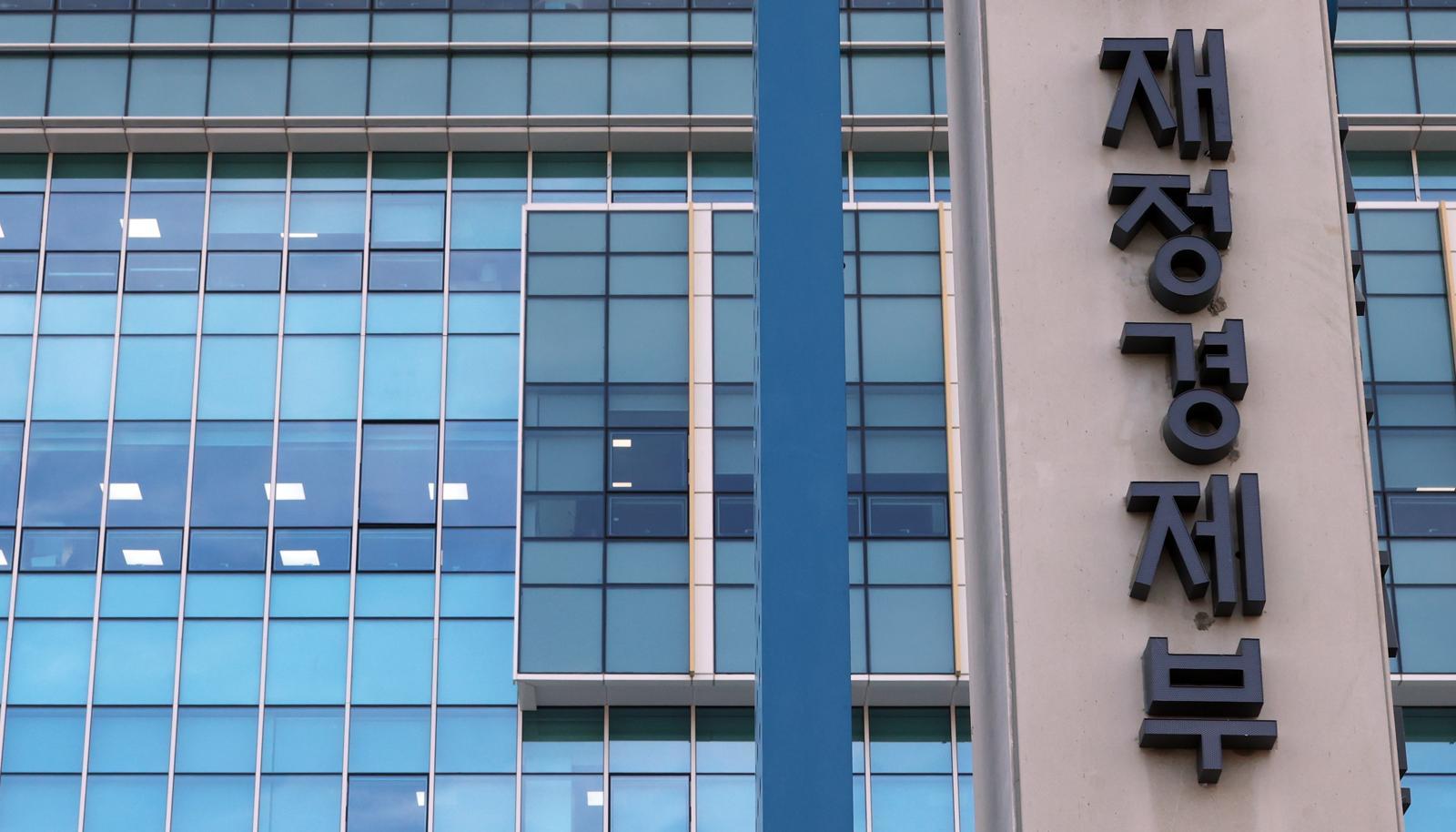
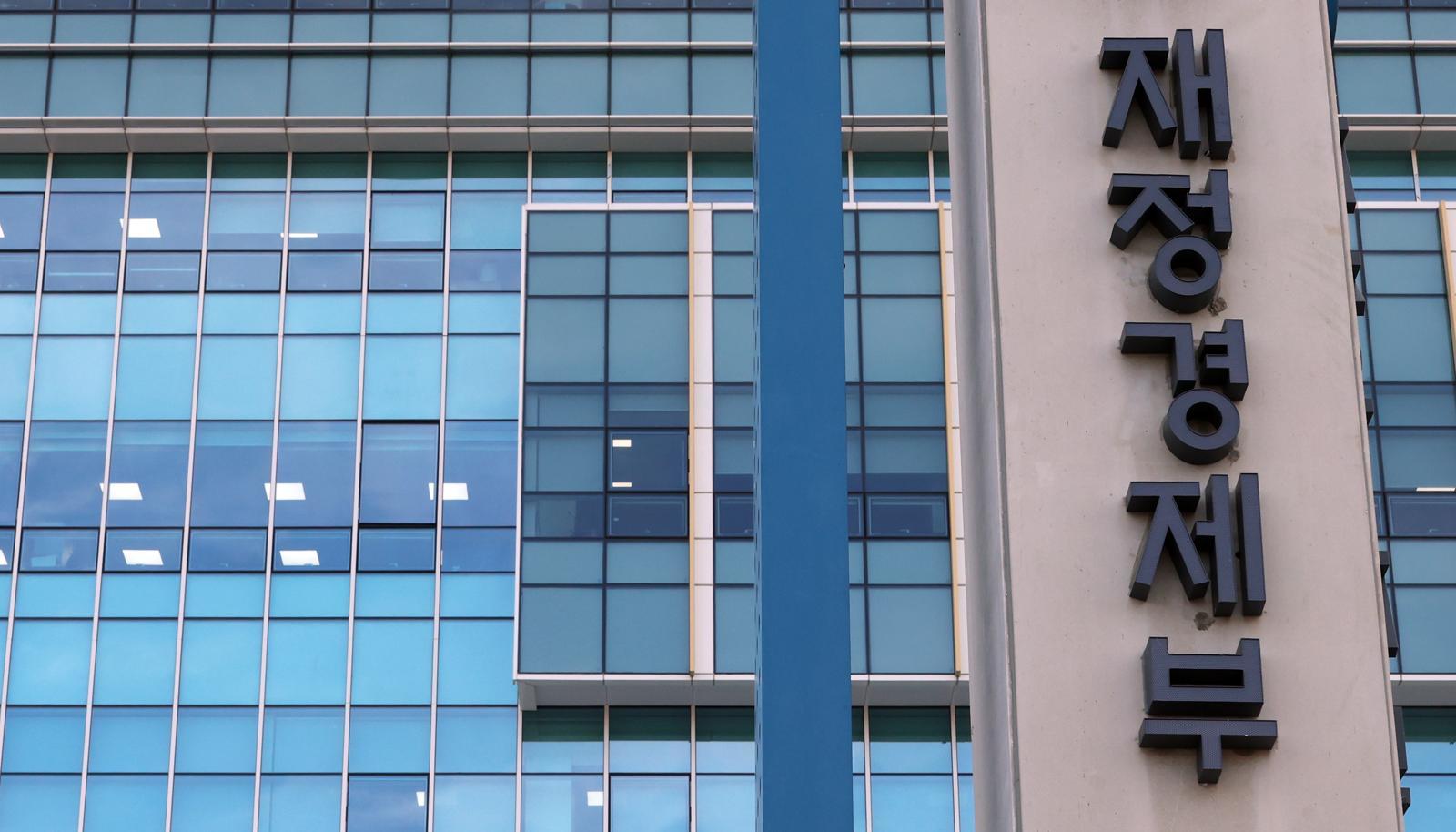
Kwon Dae-young, the Vice Chairman of South Korea's Financial Services Commission (FSC), stated that debt adjustment and bankruptcy should be viewed as legitimate rights for debtors seeking to overcome financial difficulties, rather than punitive measures. He believes these processes are essential for enabling individuals to restart their lives.
In developed countries, debt adjustment or bankruptcy is not seen as a punishment, but as a legitimate right to escape difficulties.
Speaking on a presidential online policy program, Kwon addressed criticisms that debt relief programs are populist or represent "crony capitalism." He countered these views, asserting that South Korea's financial system has been overly focused on creditors since the 1997 Asian financial crisis. He emphasized that financial institutions should share responsibility when borrowers face problems.
Our financial system has become creditor-centric since the 1997 IMF foreign exchange crisis.
The FSC aims to prevent financial institutions from neglecting long-term debts and engaging in persistent collection efforts. Instead, the policy encourages financial firms to manage and reduce these debts through their own adjustment and reduction processes, thereby supporting the recovery of debtors.
Financial institutions must share the responsibility when problems arise for debtors.
Addressing concerns about moral hazard, the risk that individuals might exploit these systems, Kwon questioned the practicality of such behavior. He argued that individuals with the means to repay debts would likely not choose to live as credit defaulters, given the severe restrictions on accessing credit cards, bank accounts, and even mobile phone services, as well as the impact on employment opportunities. He stressed the importance of supporting those genuinely in need.
How many people would realistically hide their money and live as a credit defaulter?
About this summary
Originally published by Dong-A Ilbo in Korean. Translated, summarized, and contextualized automatically by DistantNews, with a note on how the source frames the story. Not individually reviewed before publishing. How this works.
More Stories

From Our Blog

News in Translation: What Gets Lost, and How We Keep the Framing

Diaspora Media: How Communities Abroad Follow Home

Traveling Where the Press Is Not Free: How to Read the News There

The Digital Nomad's Guide to Local News

The Same Story, Different Countries: How Coverage Changes at the Border
