


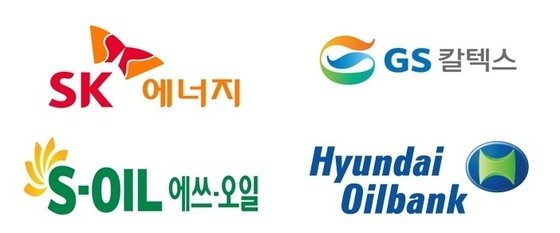
South Korean oil refiners indicted for $18.5 billion price-fixing cartel
Translated from Korean, summarized and contextualized by DistantNews.
At a glance
News
Named sources
New plan
- South Korean prosecutors indicted four major oil refiners and their employees for price-fixing, allegedly colluding to inflate fuel prices amid volatile oil markets driven by the US-Iran war.
- The cartel's actions are estimated to have caused direct and indirect consumer damage of approximately 26 trillion won ($18.5 billion), with two companies allegedly sharing price information and coordinating increases.
- Investigators also uncovered evidence of employees discussing profiting from the war and a potential cover-up involving the deletion of data during an investigation.
South Korean prosecutors have indicted four major oil refiners and their employees for allegedly colluding to inflate fuel prices. The companies, HD Hyundai Oilbank, SK Energy, GS Caltex, and S-Oil, are accused of manipulating prices as global oil markets became volatile due to the US-Iran war.
Companies that make money from war, long live Trump
Prosecutors estimate the cartel's actions inflated prices, leading to consumer damages of around 26 trillion won ($18.5 billion). HD Hyundai Oilbank and SK Energy allegedly shared price information and coordinated increases, while GS Caltex and S-Oil followed their lead. This practice, according to investigators, was not an isolated incident but a long-standing cartel behavior that became blatant during the international crisis.
Evidence suggests employees of these companies discussed profiting from the conflict, with one exchange on social media reading, "Companies that make money from war, long live Trump." Prosecutors also found that some executives allegedly instructed the deletion of data during an on-site investigation by the Fair Trade Commission, leading to additional charges of obstructing the investigation.
All companies simultaneously surged the input price (the price refiners supply to gas stations) on an unprecedented scale.
The indictment also targets practices like "exclusive purchase contracts" and "post-settlement systems," which prosecutors say restrict market competition and give refiners excessive control over gas stations. The prosecution aims to ensure that those who manipulated oil prices and disrupted the market receive sentences commensurate with their crimes.
We will do our utmost to ensure that the defendants who disrupted oil prices using their superior position are sentenced in accordance with their crimes.
DistantNews Editorial
Originally published by Dong-A Ilbo in Korean. Translated, summarized, and contextualized by our editorial team with added local perspective. Read our editorial standards.
More Stories


From Our Blog

What Gets Lost (and Found) When News Is Translated

The Critical Role of Diaspora Media in Global News

What Travellers Should Know About Countries with Restricted Press

A Digital Nomad's Guide to Following Local News

How the Same Story Looks Different in Different Countries
