


South Korean opposition slams real estate tax reforms, warns of middle-class collapse
Translated from Korean, summarized and contextualized by DistantNews.
At a glance
News
Sources not specified
Context piece
- South Korean opposition lawmakers criticize the government's real estate tax reform plan, arguing it unfairly burdens long-term homeowners and could collapse the middle class.
- Opposition figures claim the government is failing to meet housing supply targets, leading to a self-inflicted
Opposition lawmakers in South Korea have launched a strong critique of the government's recently announced real estate tax reform package. They argue the measures unfairly target long-term homeowners and could destabilize the middle class.
We must prevent the Lee Jae-myung government's tax plunder of long-term single-homeowners.
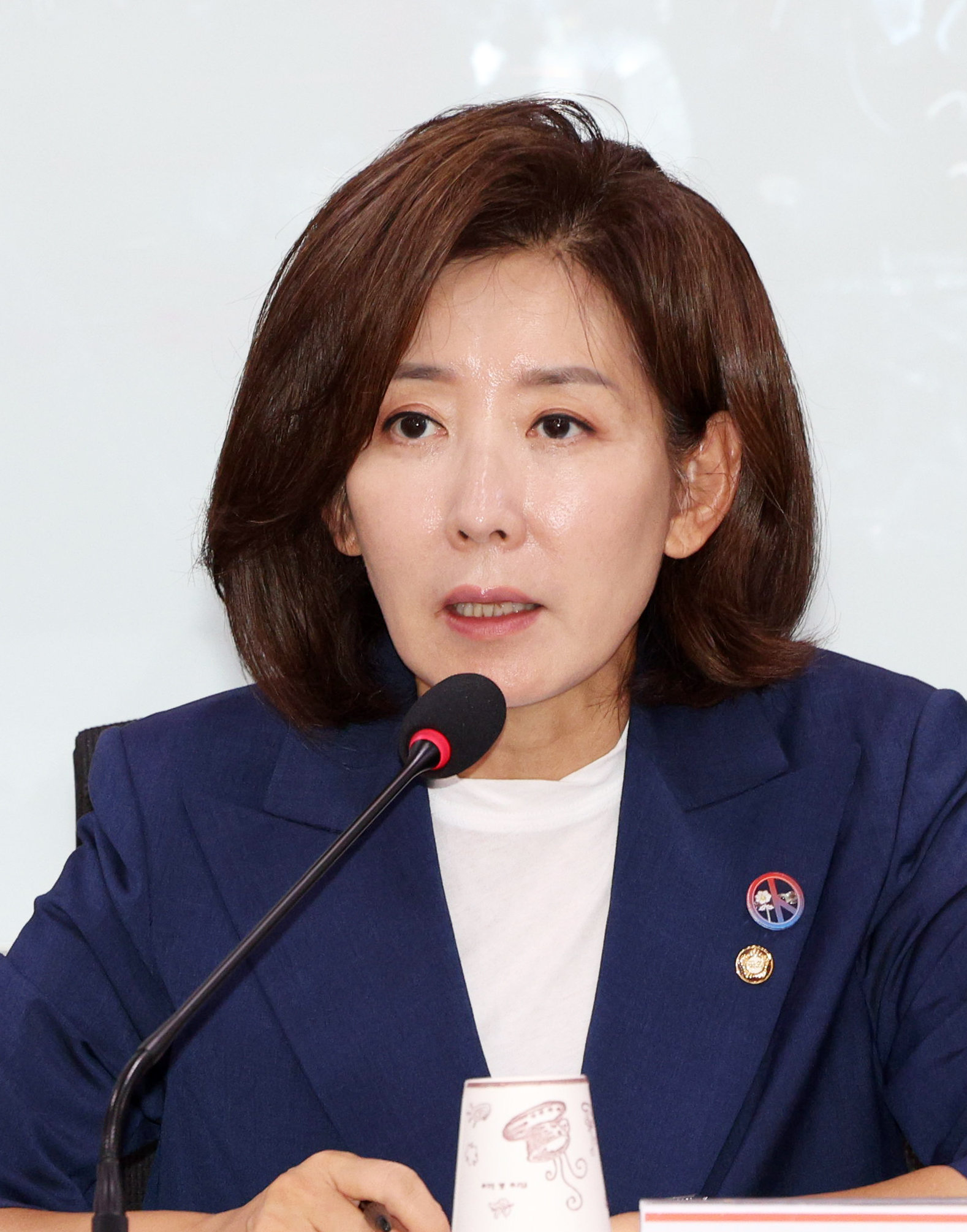
Na Kyung-won, a member of the People Power Party, plans to introduce a bill to protect long-term homeowners who cannot meet residency requirements due to unavoidable reasons like job transfers, child education, or caring for parents. Her proposed revision to the Income Tax Act would ensure that the previous tax deduction rates for holding property are recognized for periods before the amendment's effective date. It also suggests applying the revised regulations only to periods after the amendment takes effect and exempting those aged 65 and older who have owned property for over 10 years from the deduction limit.
Another party member, Ahn Cheol-soo, directly accused President Lee Jae-myung of abandoning housing supply efforts. He cited official figures showing that only 19% of the targeted 68,000 housing units were started in Seoul in the first half of the year, calling it a critical situation for the administration. Ahn criticized the government's reliance on tax and loan regulations to control housing prices, a strategy he claims failed during the previous administration. He warned that delaying supply and tightening regulations would push demand to rental markets, causing housing costs to skyrocket for ordinary citizens.
President Lee's reality is that he is a president who has given up on supply.
Ko Dong-jin, also from the People Power Party, stated that the tax reform, while ostensibly protecting homeowners, is fundamentally a targeted tax increase on specific groups, particularly in affluent areas. He argued that the government's policies make it difficult for individuals to own property, potentially leading to the collapse of the middle class. Ko asserted that excessive taxation that forces property sales infringes upon constitutionally guaranteed property rights and would shrink the rental supply, ultimately burdening tenants.
The supply shock was self-inflicted by the government.
Choi Soo-jin, the party's deputy floor leader, commented that public anxiety stems from a lack of trust in government policies. The People Power Party pledged to fight against the tax reforms, which they believe increase the burden on citizens, and to work towards effective housing supply expansion and rational tax policies.
This tax reform plan, while ostensibly protecting actual residents, is fundamentally a flawed attempt at selective tax increases targeting the Gangnam area and specific classes.
DistantNews Editorial
Originally published by Dong-A Ilbo in Korean. Translated, summarized, and contextualized by our editorial team with added local perspective. Read our editorial standards.
More Stories


From Our Blog

What Gets Lost (and Found) When News Is Translated

The Critical Role of Diaspora Media in Global News

What Travellers Should Know About Countries with Restricted Press

A Digital Nomad's Guide to Following Local News

How the Same Story Looks Different in Different Countries
