

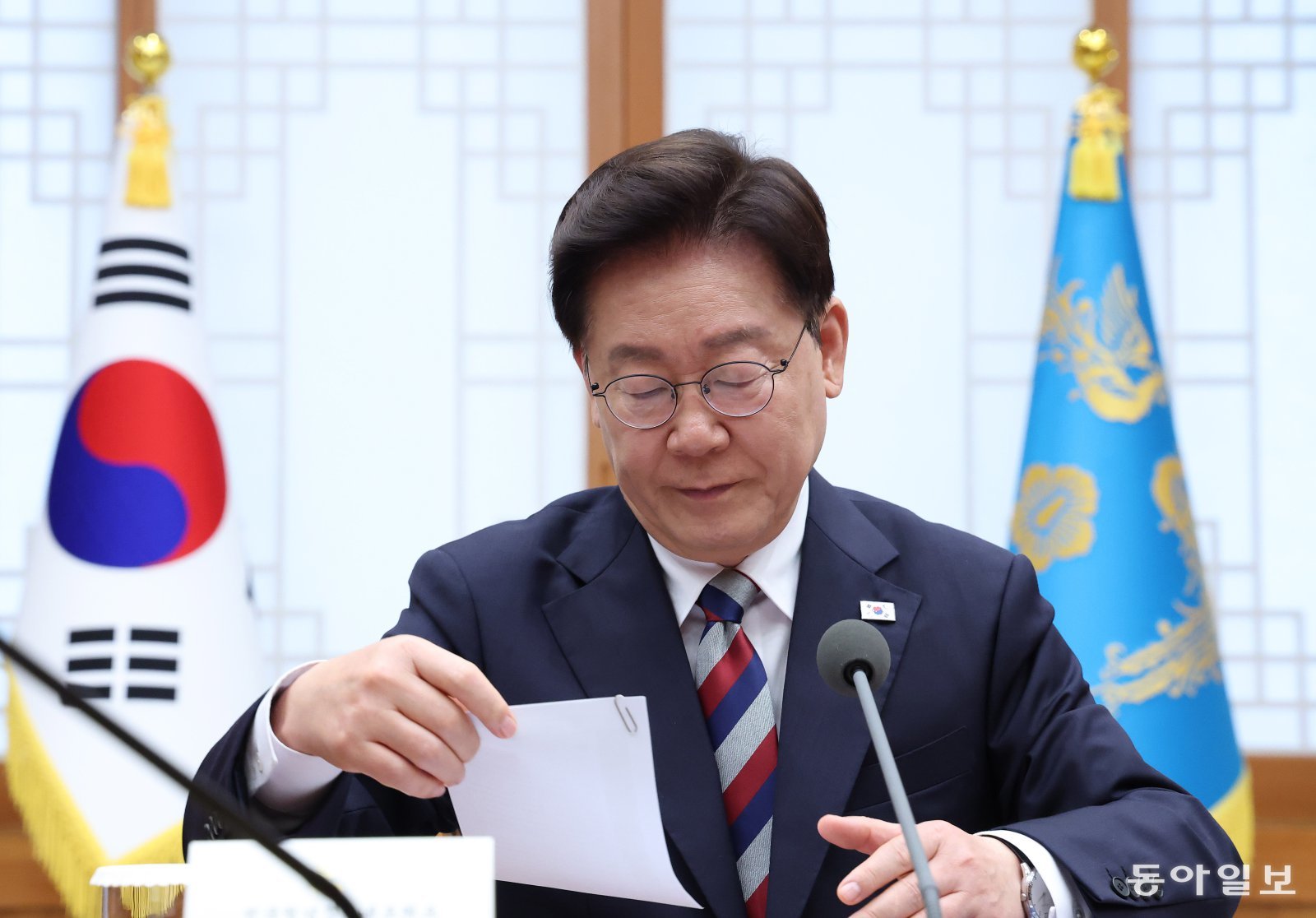

South Korean Parties Swayed by Hardline Members; Electoral Reform Needed
Translated from Korean, summarized and contextualized by DistantNews.
At a glance
Opinion
Named sources
Context piece
- Both major South Korean political parties are increasingly influenced by hardline party members.
- This dynamic is leading to internal conflicts and a focus on power struggles over policy debates.
- The article argues for electoral reform, specifically addressing the small constituency system, to mitigate these issues.
South Korea's two main political parties are grappling with escalating internal conflicts, largely driven by the growing influence of hardline party members. In the Democratic Party, intense rivalries between factions, particularly the pro-Lee Jae-myung and pro-Lee Nak-yon groups, have overshadowed policy discussions and national vision. Similarly, the People Power Party faces internal power struggles, evident in committee assignments and disciplinary actions against members. The article contends that this dominance by fervent supporters distorts party decision-making, leading to unilateral policy directions and the marginalization of dissenting voices. It highlights how the pursuit of power and the need to appease vocal party bases have eroded internal democracy. The author suggests that reforming the electoral system, specifically the small constituency system, is essential to address these deep-seated factional battles and restore a more balanced political discourse.
The factional conflict within both parties is not just a clash between the mainstream and non-mainstream factions, but the influence of hardline party members cannot be ignored.
DistantNews Editorial
Originally published by Dong-A Ilbo in Korean. Translated, summarized, and contextualized by our editorial team with added local perspective. Read our editorial standards.
More Stories


From Our Blog

What Gets Lost (and Found) When News Is Translated

The Critical Role of Diaspora Media in Global News

What Travellers Should Know About Countries with Restricted Press

A Digital Nomad's Guide to Following Local News

How the Same Story Looks Different in Different Countries
