


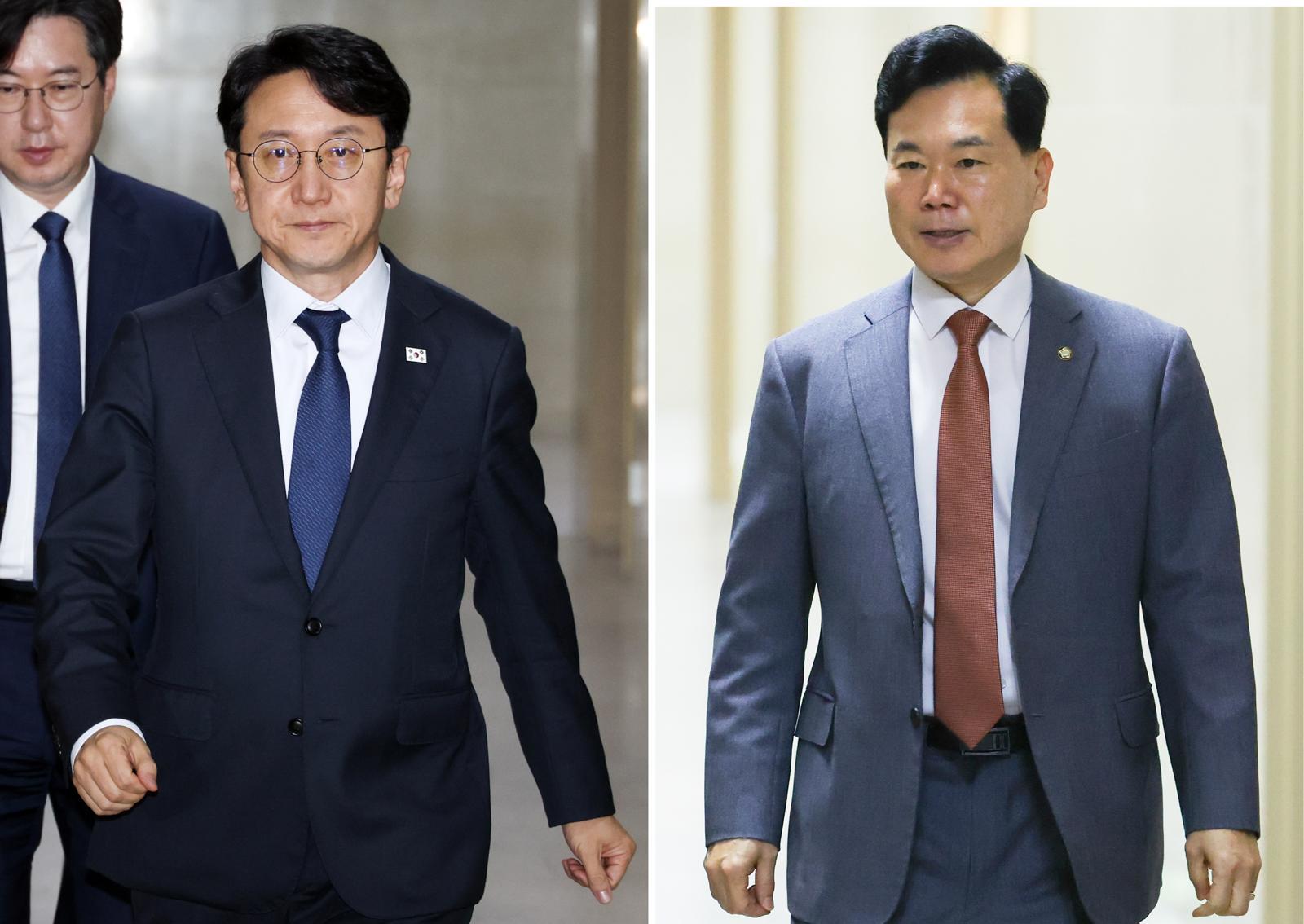
South Korean parties to process parliamentary probe into ballot paper shortage
Translated from Korean, summarized and contextualized by DistantNews.
At a glance
News
From a news agency
New plan
- South Korean political parties agreed to process a plan for a parliamentary investigation into the "ballot paper shortage incident" in a plenary session on June 18.
- The investigation, to be conducted over 45 days by a special committee, will examine the National Election Commission (NEC) and related election management bodies.
- The special committee will include members from the ruling People Power Party, the main opposition Democratic Party, and smaller parties, with Yoon Sang-hyun of the People Power Party nominated as committee chair.
South Korea's political parties are set to move forward with a parliamentary investigation into the recent "ballot paper shortage incident." The plan is scheduled for processing in a plenary session on June 18, marking a swift agreement between the ruling and opposition parties just two days after they consented to the probe.
Once the investigation plan is approved, a special committee will commence a 45-day inquiry into the National Election Commission (NEC) and subordinate election management bodies. Yoon Sang-hyun of the People Power Party has been nominated to chair the special committee. The committee will include nine members from the Democratic Party, seven from the People Power Party, one from the 조국혁신당 (Cho Kuk Innovation Party), and the party leader of the 개혁신당 (Reform Party). The scope of the investigation initially proposed by the People Power Party to include the presidential office was narrowed down during negotiations to focus on NEC officials and local government employees involved in the ballot paper shortage.
The investigation aims to uncover the truth behind the shortage and reform election management processes. While the standard investigation period is set at 45 days, the plan allows for an extension if further inquiry is deemed necessary. This move signifies a significant step in addressing public concerns about electoral integrity and administrative efficiency.
DistantNews Editorial
Originally published by Dong-A Ilbo in Korean. Translated, summarized, and contextualized by our editorial team with added local perspective. Read our editorial standards.
More Stories



From Our Blog

What Gets Lost (and Found) When News Is Translated

The Critical Role of Diaspora Media in Global News

What Travellers Should Know About Countries with Restricted Press

A Digital Nomad's Guide to Following Local News

How the Same Story Looks Different in Different Countries
