


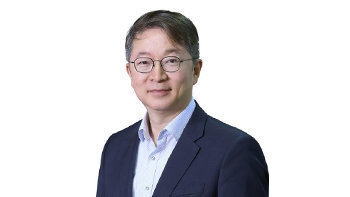
South Korean politics suffers from 'poverty of thought,' author argues
Translated from Korean, summarized and contextualized by DistantNews.
At a glance
Opinion
Named sources
Context piece
- The author criticizes the current state of South Korean politics, particularly the ruling party's national convention and the opposition's commentary, arguing that such behavior disqualifies them from receiving greater constitutional power.
- Concerns are raised about the "poverty of thought" among politicians, who focus on past criticisms and personal attacks rather than offering forward-looking policy proposals.
- The article suggests that politicians are too busy with superficial engagements to engage in deep thinking, leading to a decline in meaningful political discourse and a focus on gaining favor with party members for nomination advantages.
South Korean politics is currently plagued by what the author describes as a "poverty of thought," overshadowing even the most vitriolic exchanges. The recent national convention of the ruling party, marred by low-level insults and mutual distrust, alongside the opposition's uninspired commentary, leads to a stark question: how can these politicians be entrusted with greater constitutional authority?
The ruling People Power Party's convention was a spectacle of personal attacks, with candidates resorting to terms like "goldfish IQ" and "bats." The opposition, meanwhile, seems content with merely criticizing the government without offering concrete alternatives on critical issues such as police oversight, the introduction of essay-style questions in university entrance exams, or support for the semiconductor industry. This lack of substantive policy debate leaves the public unimpressed and questioning the readiness of these politicians to wield more power.
Furthermore, the article points to a concerning trend where politicians prioritize securing nomination advantages for upcoming elections over genuine policy development. The focus shifts to currying favor with influential party members and engaging in performative actions, such as attending numerous short meetings and local events, leaving little time for the deep reflection and novel thinking required for impactful governance. This environment discourages the emergence of "new blood" with fresh ideas.
Instead of substantive policy proposals, politicians often engage in attacks against opposing parties or offer self-serving explanations for past controversies. The author argues that meaningful political messages stem from deep thinking, extensive reading, keen observation, and open listening – qualities seemingly absent in today's political arena. The article concludes by calling for the discovery and promotion of experts with specialized knowledge and strong convictions, who can inject new and healthy messages into the political discourse, breaking the current monopoly on speaking platforms held by incumbent lawmakers.
DistantNews Editorial
Originally published by Dong-A Ilbo in Korean. Translated, summarized, and contextualized by our editorial team with added local perspective. Read our editorial standards.
More Stories


From Our Blog

What Gets Lost (and Found) When News Is Translated

The Critical Role of Diaspora Media in Global News

What Travellers Should Know About Countries with Restricted Press

A Digital Nomad's Guide to Following Local News

How the Same Story Looks Different in Different Countries
