


South Korean President's Office Rejects Supreme Court Nominee, Cites Procedural Flaws
Translated from Korean and summarized by DistantNews. Read the original for the full story.
At a glance
News
Official statement
New plan
- South Korea's presidential office rejected Supreme Court nominee Son Bong-ki, citing procedural issues.
- The office requested the Chief Justice to re-nominate candidates, indicating flaws in the initial selection process.
- This decision impacts the appointment of a successor to former Justice Roh Tae-ak.
South Korea's presidential office announced on August 28th that it would not proceed with the appointment of Son Bong-ki as a Supreme Court justice. The decision means Son's nomination will not be sent to the National Assembly for confirmation, a crucial step in the judicial appointment process.
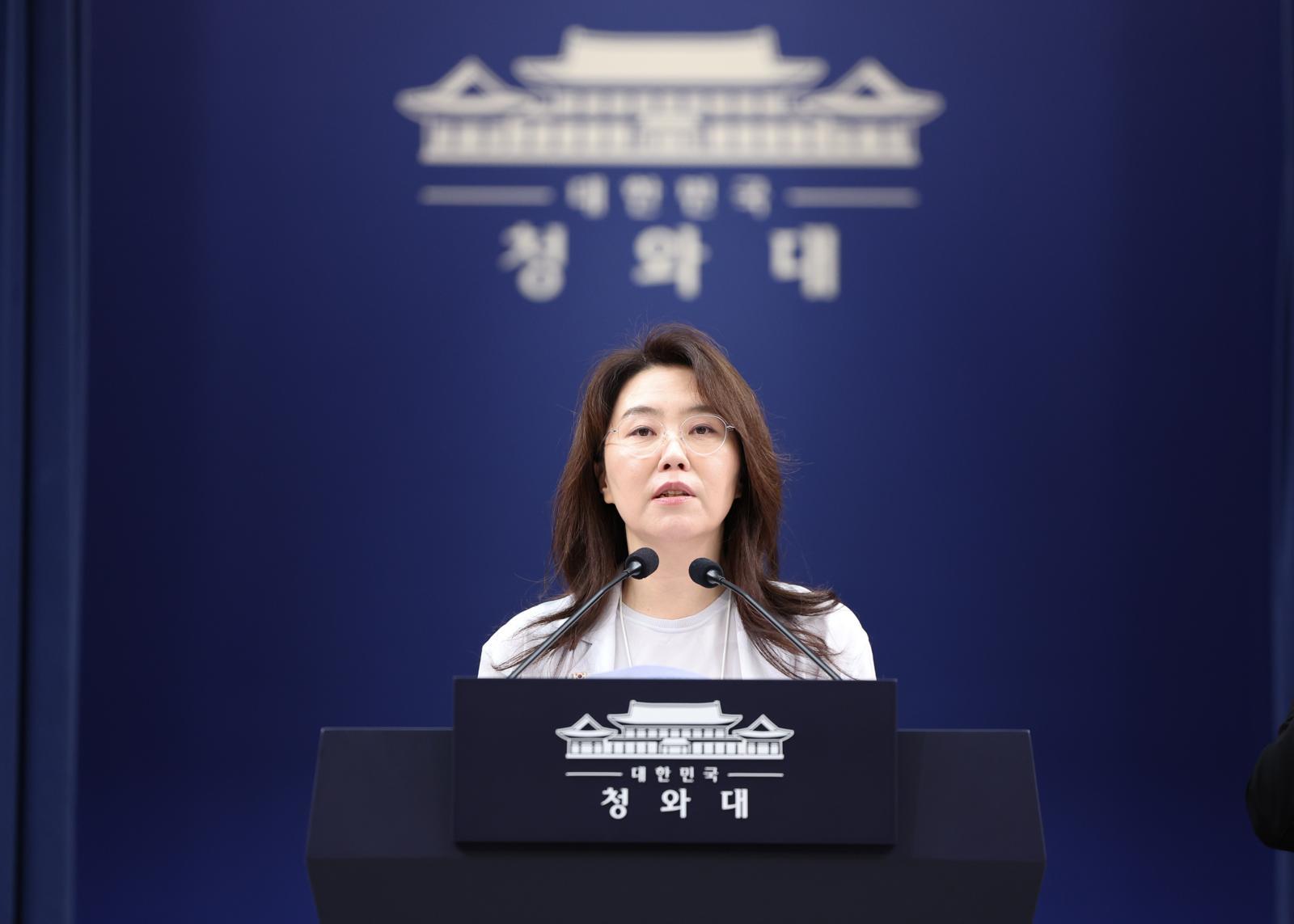
The presidential office cited concerns over the procedural completeness of the nomination. Kang Yu-jeong, the senior presidential spokesperson, stated that the recommendation process for Son, intended to fill the vacancy left by former Justice Roh Tae-ak, was not sufficiently complete. This led to the request for the Chief Justice to re-submit nominations.
We have decided not to submit the appointment confirmation bill for candidate Son Bong-ki, who was recommended as the successor to former Justice Roh Tae-ak, to the National Assembly.
This development follows the Chief Justice's written recommendation of Son Bong-ki, a judge at the Daegu District Court, ten days prior. The process has been lengthy, with candidates being narrowed down over seven months. The presidential office's decision to reject the nominee and request a re-nomination highlights potential disagreements or perceived shortcomings in how the candidates were selected and presented.
Adding to the complexity, the Chief Justice had also recommended Kim Sung-soo, a presiding judge at the Seoul High Court, to succeed Justice Lee Heung-gu, who is set to retire in September. The initial recommendation process itself had drawn controversy, as it deviated from the usual practice of the Chief Justice meeting the President in person to submit recommendations, opting instead for a written submission.
The recommendation for the successor to former Justice Roh Tae-ak was not sufficiently complete in its procedural completeness.
About this summary
Originally published by Dong-A Ilbo in Korean. Translated, summarized, and contextualized automatically by DistantNews, with a note on how the source frames the story. Not individually reviewed before publishing. How this works.
More Stories

From Our Blog

What Gets Lost (and Found) When News Is Translated

The Critical Role of Diaspora Media in Global News

What Travellers Should Know About Countries with Restricted Press

A Digital Nomad's Guide to Following Local News

How the Same Story Looks Different in Different Countries
