


South Korean Religious Leaders' Fight for Democracy Honored in Seoul Exhibition
Translated from Korean and summarized by DistantNews. Read the original for the full story.
At a glance
In-depth
Sources not specified
New plan
- An exhibition in Seoul highlights the role of religious figures in South Korea's democratization movement.
- The exhibition, titled 'Bells That Rang from the Lowest Places: Prayers for Democracy,' showcases artifacts and records from the 1960s to 1987.
- It features contributions from various religious denominations who supported human dignity and justice.
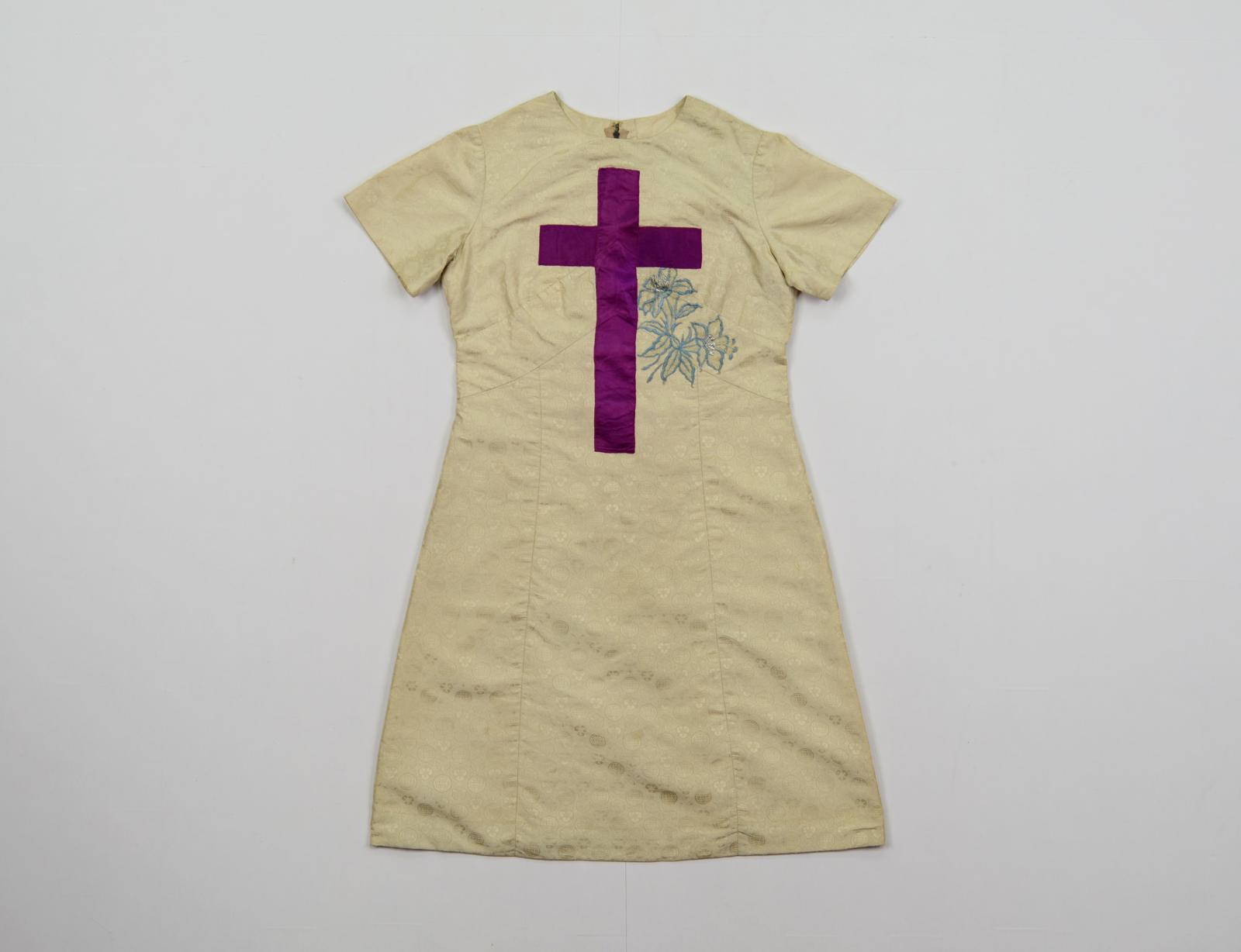
An exhibition in Seoul is shedding light on the often-overlooked contributions of religious figures to South Korea's struggle for democracy. Titled 'Bells That Rang from the Lowest Places: Prayers for Democracy,' the exhibition at the Democracy Foundation Museum in Yongsan-gu honors those who stood for human dignity and justice, even when their paths differed.
The exhibition, organized by the Democracy Foundation, covers the period from the mid-1960s to the June 1987 Democratic Uprising. It presents a range of historical materials, including relics and video records, illustrating the active role played by religious communities. Among the featured items are the long white vestments worn by Cardinal Stephen Kim Sou-hwan during Mass and Bishop Daniel Chi Hak-sun's 'Declaration of Conscience.'
While the history of South Korea's democratization is often centered on students, laborers, and politicians, this exhibition emphasizes the quiet perseverance of religious individuals. Their commitment to upholding fundamental human rights and justice alongside political activists forms a crucial, yet less frequently told, part of the nation's modern history. The display aims to bring these stories to the forefront, acknowledging their significant impact on the country's journey toward democracy.
If you are going to arrest the students, first step on me, then step on the priests and nuns.
About this summary
Originally published by Dong-A Ilbo in Korean. Translated, summarized, and contextualized automatically by DistantNews, with a note on how the source frames the story. Not individually reviewed before publishing. How this works.
More Stories


From Our Blog

What Gets Lost (and Found) When News Is Translated

The Critical Role of Diaspora Media in Global News

What Travellers Should Know About Countries with Restricted Press

A Digital Nomad's Guide to Following Local News

How the Same Story Looks Different in Different Countries
