

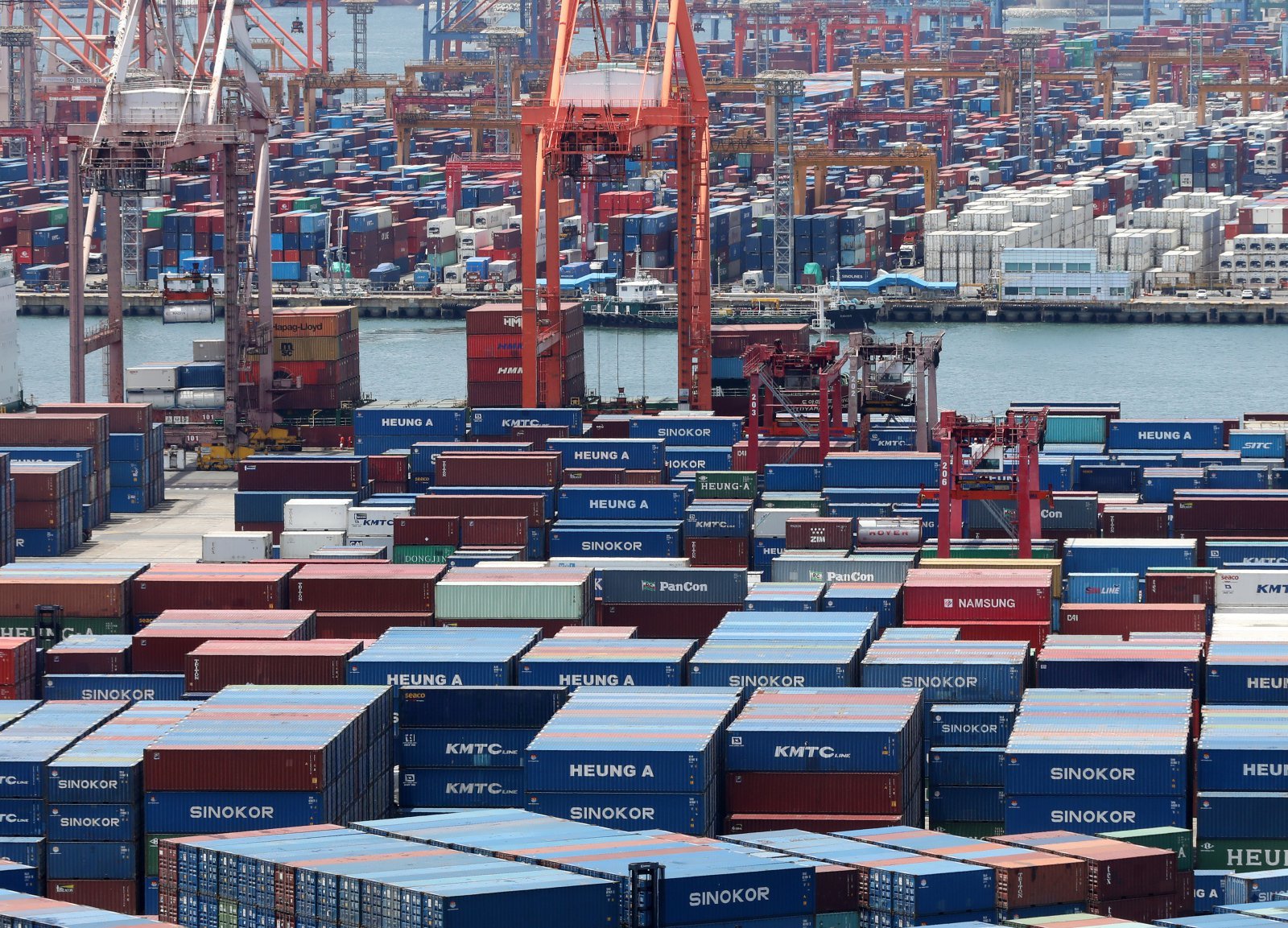

South Korean Stock Market Plummets Amid Surge in Leveraged Trading and Forced Selling
Translated from Korean, summarized and contextualized by DistantNews.
At a glance
News
Sources not specified
Context piece
- South Korea's stock market is experiencing a sharp decline.
- This downturn is partly driven by a surge in "debt-to-equity" trading (bitu).
- The increasing volume of forced selling due to margin calls is adding downward pressure on the market.
South Korea's stock market is facing significant downward pressure, exacerbated by a sharp increase in "debt-to-equity" trading, known locally as 'bitu'. This trend, where investors borrow heavily to invest in stocks, is leading to a surge in forced selling as market values fall.
The practice of 'bitu' involves investors taking out loans or using margin accounts to purchase stocks. When the stock prices decline, these leveraged positions become vulnerable. As the value of the collateral falls below a certain threshold, brokers or lenders issue margin calls, demanding investors deposit more funds or sell their holdings to cover the debt. This forced selling, often executed rapidly to meet margin calls, further drives down stock prices, creating a negative feedback loop.
This cycle of borrowing, falling prices, and forced selling is becoming a critical variable impacting the broader market's stability. The increasing volume of these 'bitu' transactions and the subsequent forced liquidations are amplifying the downward trend, raising concerns among investors and market analysts about the potential for a more prolonged downturn.
DistantNews Editorial
Originally published by Chosun Ilbo in Korean. Translated, summarized, and contextualized by our editorial team with added local perspective. Read our editorial standards.
More Stories


From Our Blog

What Gets Lost (and Found) When News Is Translated

The Critical Role of Diaspora Media in Global News

What Travellers Should Know About Countries with Restricted Press

A Digital Nomad's Guide to Following Local News

How the Same Story Looks Different in Different Countries
