


South Korean superintendent elections marred by 1.1 million invalid votes, sparking reform calls
Translated from Korean, summarized and contextualized by DistantNews.
At a glance
News
Named sources
Outcome reported
- South Korean education superintendent elections saw nearly 1.1 million invalid votes, sparking calls for electoral reform.
- Teacher and civic groups are demanding changes to the direct election system, citing issues like "dark horse" elections and mudslinging.
- Concerns include voters' lack of knowledge about candidates and policies, leading to uninformed or spoiled ballots.
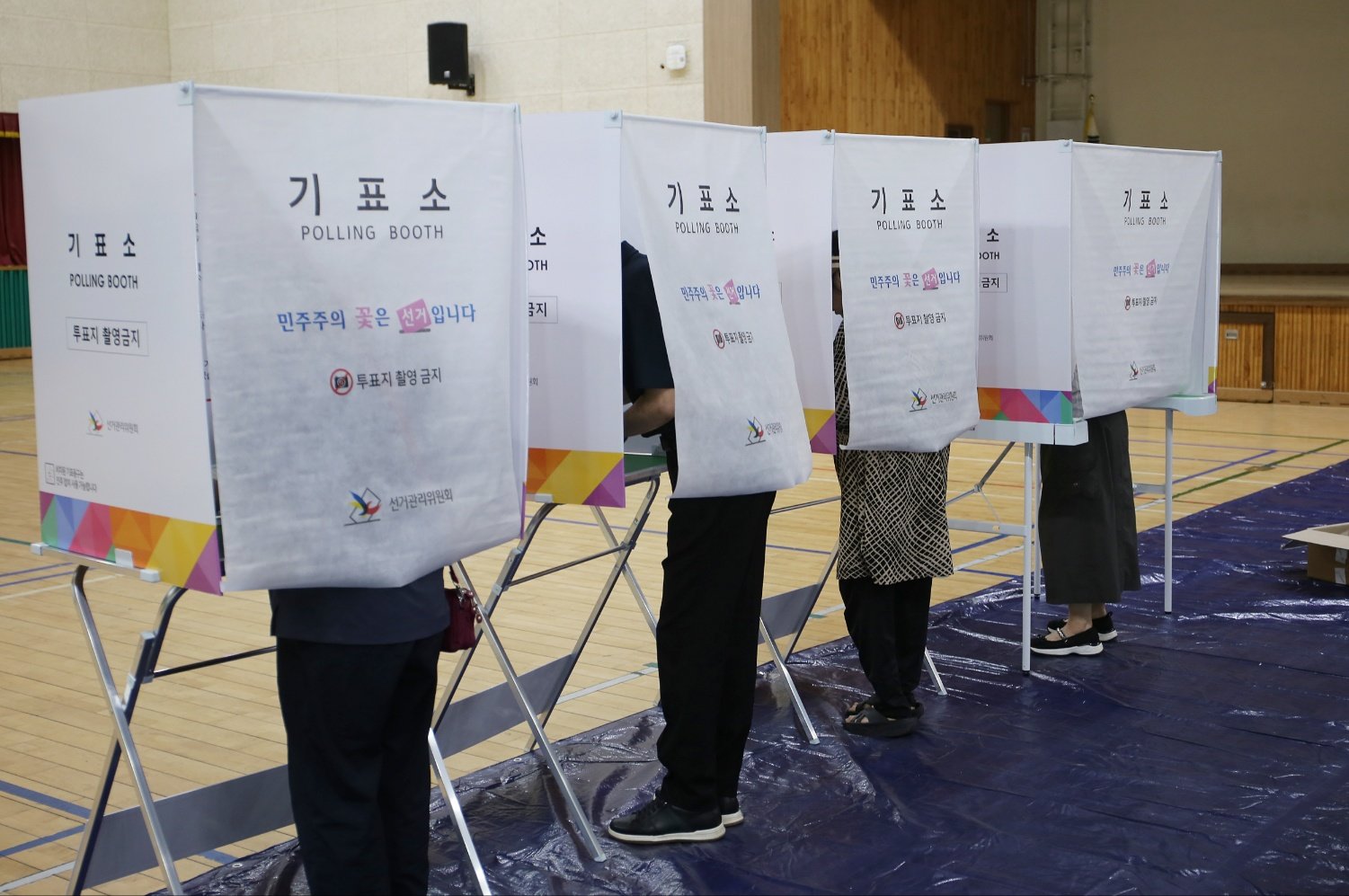
The recent South Korean superintendent elections have been marred by a staggering number of invalid votes, with nearly 1.1 million ballots spoiled. This outcome has intensified calls from teacher unions and civic groups for significant reforms to the direct election system. Critics point to the recurring problems of "dark horse" elections, where voters are often uninformed about candidates and their platforms, and the prevalence of "mud-slinging" campaigns. The high number of invalid votes suggests a disconnect between the electorate and the candidates, with many voters either abstaining from casting a ballot for superintendent or marking it incorrectly. Seoul Education Future Citizens' Coalition issued a statement on Monday, highlighting the repeated situation where voters can correctly mark other ballots but leave the superintendent's blank due to lack of knowledge or interest. They proposed a "National Campaign to Abolish Superintendent Direct Elections." The coalition suggested forming a "National Movement Headquarters to Abolish Superintendent Direct Elections" to discuss practical measures like the "running mate system." They expressed anticipation for active participation from teacher, parent, and civic groups. The Korean Teachers and Education Workers Union also commented after the election, noting "shameful processes" such as proxy registration, alleged payment of entry fees for primaries, and refusal to accept primary results, all occurring within a context of "factional elections."
Voters are marking other ballots correctly but not voting for the superintendent, either because they don't know them well or have no intention to vote.
DistantNews Editorial
Originally published by Dong-A Ilbo in Korean. Translated, summarized, and contextualized by our editorial team with added local perspective. Read our editorial standards.
More Stories


From Our Blog

What Gets Lost (and Found) When News Is Translated

The Critical Role of Diaspora Media in Global News

What Travellers Should Know About Countries with Restricted Press

A Digital Nomad's Guide to Following Local News

How the Same Story Looks Different in Different Countries
