


South Korean Voters Prioritize Practical Promises and Communication in Local Elections Amid Trust Concerns
Translated from Korean, summarized and contextualized by DistantNews.
At a glance
News
Sources not specified
Ongoing story
- Voters in South Korea are carefully reviewing election materials and prioritizing practical, communicative campaign promises over grand pledges.
- Concerns about political corruption, such as "nomination-for-cash" allegations, have eroded trust, but some voters see the local elections as a chance for recovery.
- In some areas, voters are focusing on the "details of administration" and a candidate's communication style, reflecting a desire for tangible local improvements.
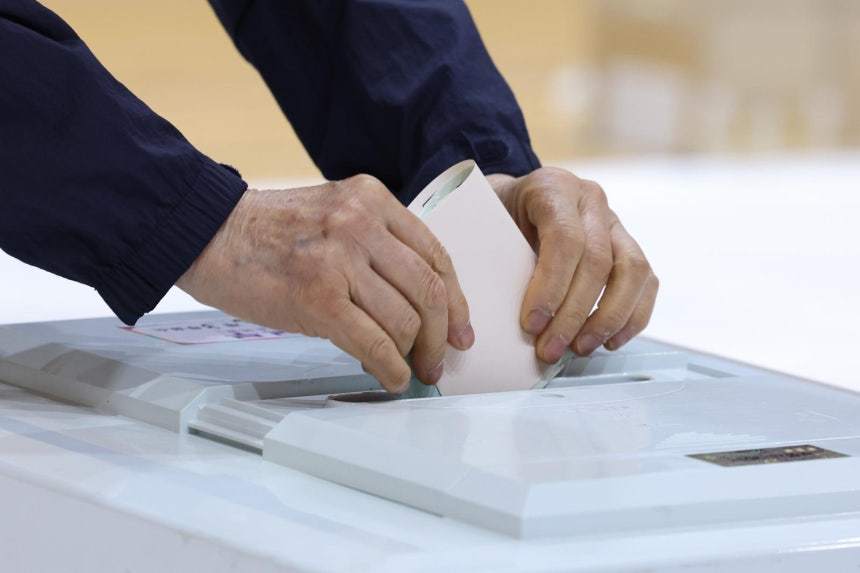
As South Korea's local elections commenced, voters demonstrated a keen interest in the details of campaign promises and a preference for practical, communicative approaches from candidates. Many voters arrived at polling stations having thoroughly reviewed election brochures, prioritizing concrete local pledges over abstract or grandiose ones.
I read the election brochures from beginning to end.
In Seoul's Gangseo District, an area recently shaken by "nomination-for-cash" allegations involving incumbent lawmakers, voters expressed disappointment with the political establishment. "It's true that trust in politicians has significantly dropped due to the news about nomination fees," said Son Yong-hyun, a 32-year-old office worker. "But I hope this local election can be an opportunity to recover that trust." Another resident, who has lived in the area for 50 years, voiced frustration, stating, "They seem to be looking down on Gangseo District, and electing the same party every time doesn't seem to improve the region. It influenced my vote."
In Seongdong District, a political stronghold for Seoul mayoral candidate Jung Won-o of the Democratic Party, voters focused on the "details of administration." At a polling station in the Wangsimni-dosedon area, known for its "cross-voting" in past elections where different parties won the mayoral and district mayor races, young couples with strollers were noticeable. One 30-something female voter, identified only as Ms. K, stated, "Rather than grand promises, I voted based on how candidates communicate and proceed with their work in practice."
It's true that trust in politicians has significantly dropped due to the news about nomination fees, but I hope this local election can be an opportunity to recover that trust.
Concerns about election integrity were also present. At a polling station in Seodaemun District's Shinchon-dong, which faced controversy over alleged unauthorized removal of early voting ballots in the past presidential election, the "election fraud prevention squad" was absent. Election officials meticulously checked identification and ballots. A job seeker, identified as Mr. Choi, who previously worked as a vote counter, dismissed persistent allegations of election fraud. "I saw the counting process being meticulously verified up to the fourth or fifth round, so fraud is impossible within the system," he asserted. He suggested that while systemic fraud is unlikely, attempts to find fault at polling stations might occur.
Rather than grand promises, I voted based on how candidates communicate and proceed with their work in practice.
Overall turnout by 10 a.m. stood at 11.0%, with 4,908,603 out of 44,649,908 eligible voters participating. Voting continues until 6 p.m. today.
I saw the counting process being meticulously verified up to the fourth or fifth round, so fraud is impossible within the system.
DistantNews Editorial
Originally published by Hankyoreh in Korean. Translated, summarized, and contextualized by our editorial team with added local perspective. Read our editorial standards.
More Stories


From Our Blog

What Gets Lost (and Found) When News Is Translated

The Critical Role of Diaspora Media in Global News

What Travellers Should Know About Countries with Restricted Press

A Digital Nomad's Guide to Following Local News

How the Same Story Looks Different in Different Countries
