

South Korean won remains weak despite Middle East peace deal
Translated from Korean, summarized and contextualized by DistantNews.
At a glance
Analysis
Named sources
Context piece
- The South Korean won remains weak against the dollar, trading above 1500, despite the end of the Middle East conflict.
- Factors like the US Federal Reserve's hawkish stance, oil prices, and sustained dollar demand are keeping the won down.
- Experts predict the won will continue to fluctuate in the 1500 range in the near term.
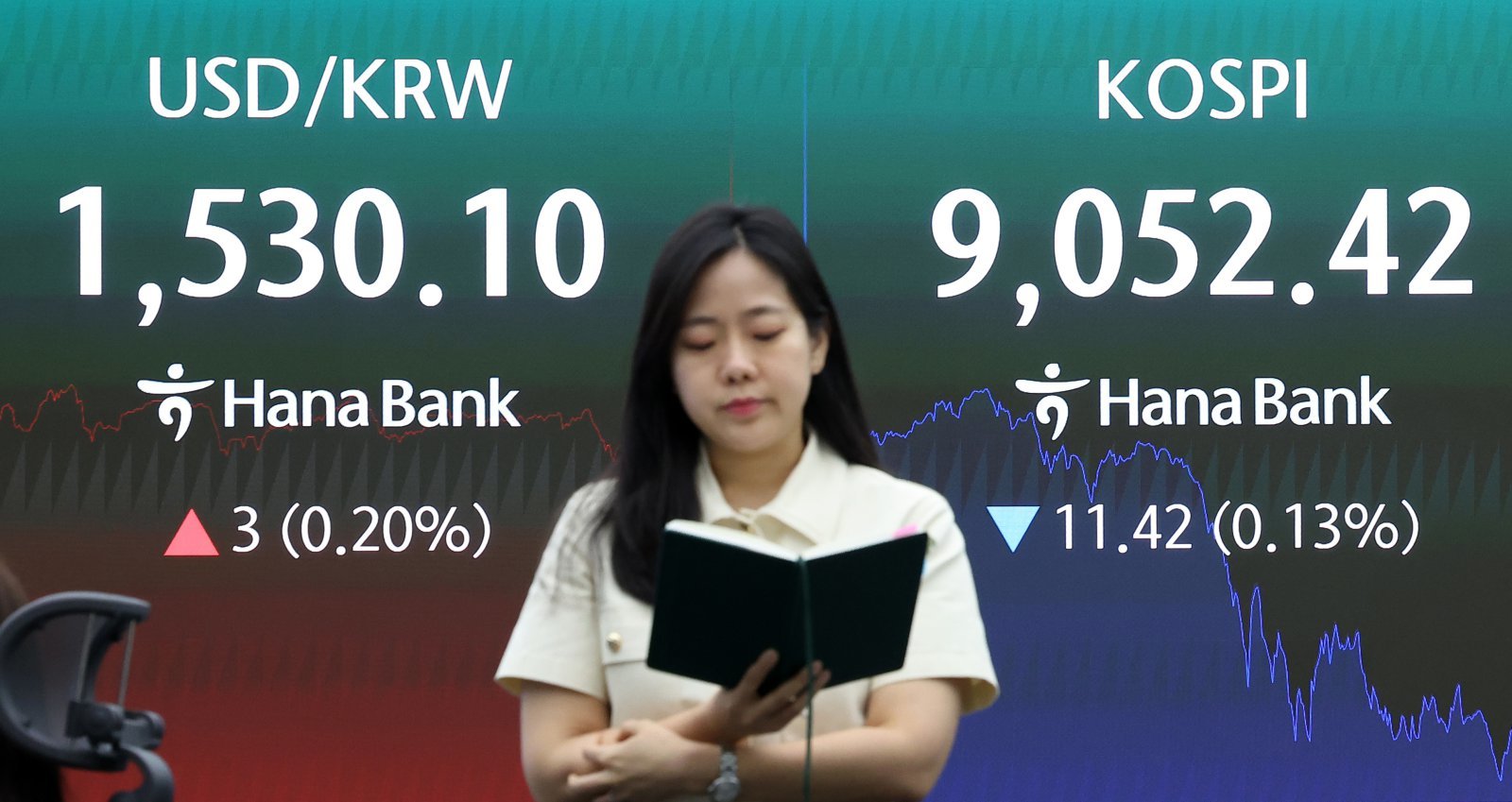
The South Korean won is struggling to rebound, remaining stubbornly above 1500 against the US dollar even after the conclusion of the Middle East conflict. This persistent weakness is attributed to a confluence of factors, including the US Federal Reserve's hawkish monetary policy, ongoing volatility in international oil prices, and consistent demand for dollars. The expected impact of the Middle East peace deal on the currency has largely been priced in, leaving these other variables to dictate the won's trajectory.
Foreign investors, who had previously driven the won's depreciation through sell-offs, have shifted to buying domestic stocks. However, this has not translated into a stronger won, with the currency continuing to hover in the mid-1500s. Analysts point to the Fed's signals of potential interest rate hikes as a key driver, alongside steady demand for dollars from importers and investors engaging in overseas stock investments. While foreign stock purchases do provide some dollar supply through custody sales, it's not enough to counteract the downward pressure.
The Fed's indication of a rate hike within the year creates an environment where it's difficult to reverse the dollar's strengthening trend in the short term.
Financial markets anticipate continued uncertainty, suggesting the dollar-won exchange rate will likely remain within the 1500 range for the foreseeable future. While the immediate impact of the Middle East peace accord has waned, lingering uncertainties surrounding the Strait of Hormuz and the Fed's policy path remain critical. Some analysts believe the market has already factored in the positive effects of the peace agreement, and are now focusing on the risks of negotiations faltering. High oil prices, driven by supply concerns and potential damage to production facilities, are also expected to persist, further bolstering the dollar.
Looking ahead, some forecasts suggest a gradual stabilization in the latter half of the year. If US inflation shows signs of cooling and South Korea maintains its current account surplus, the won could see a modest recovery, potentially falling back into the mid-1400s. However, for now, the immediate outlook remains dominated by the strong dollar trend and the complex interplay of global economic factors.
The foreign exchange market has already fully reflected the positive effects of the US-Iran MOU agreement at the beginning of the week.
DistantNews Editorial
Originally published by Dong-A Ilbo in Korean. Translated, summarized, and contextualized by our editorial team with added local perspective. Read our editorial standards.
More Stories



From Our Blog

What Gets Lost (and Found) When News Is Translated

The Critical Role of Diaspora Media in Global News

What Travellers Should Know About Countries with Restricted Press

A Digital Nomad's Guide to Following Local News

How the Same Story Looks Different in Different Countries
