


South Korean Youth Unemployment Hits 5-Year High Amid Falling Employment Rate
Translated from Korean, summarized and contextualized by DistantNews.
At a glance
News
Official statement
Ongoing story
- South Korea's youth unemployment rate surged by 1.3 percentage points in July, reaching 6.8%, its highest level since January 2021.
- The youth employment rate fell for the 27th consecutive month, indicating a persistent lack of job creation.
- The government plans to announce measures to address youth unemployment later this month.
South Korea's youth unemployment rate experienced its sharpest increase in five and a half years in July, climbing to 6.8%. This figure represents a 1.3 percentage point rise from the previous year and is the highest July rate recorded since 2022.
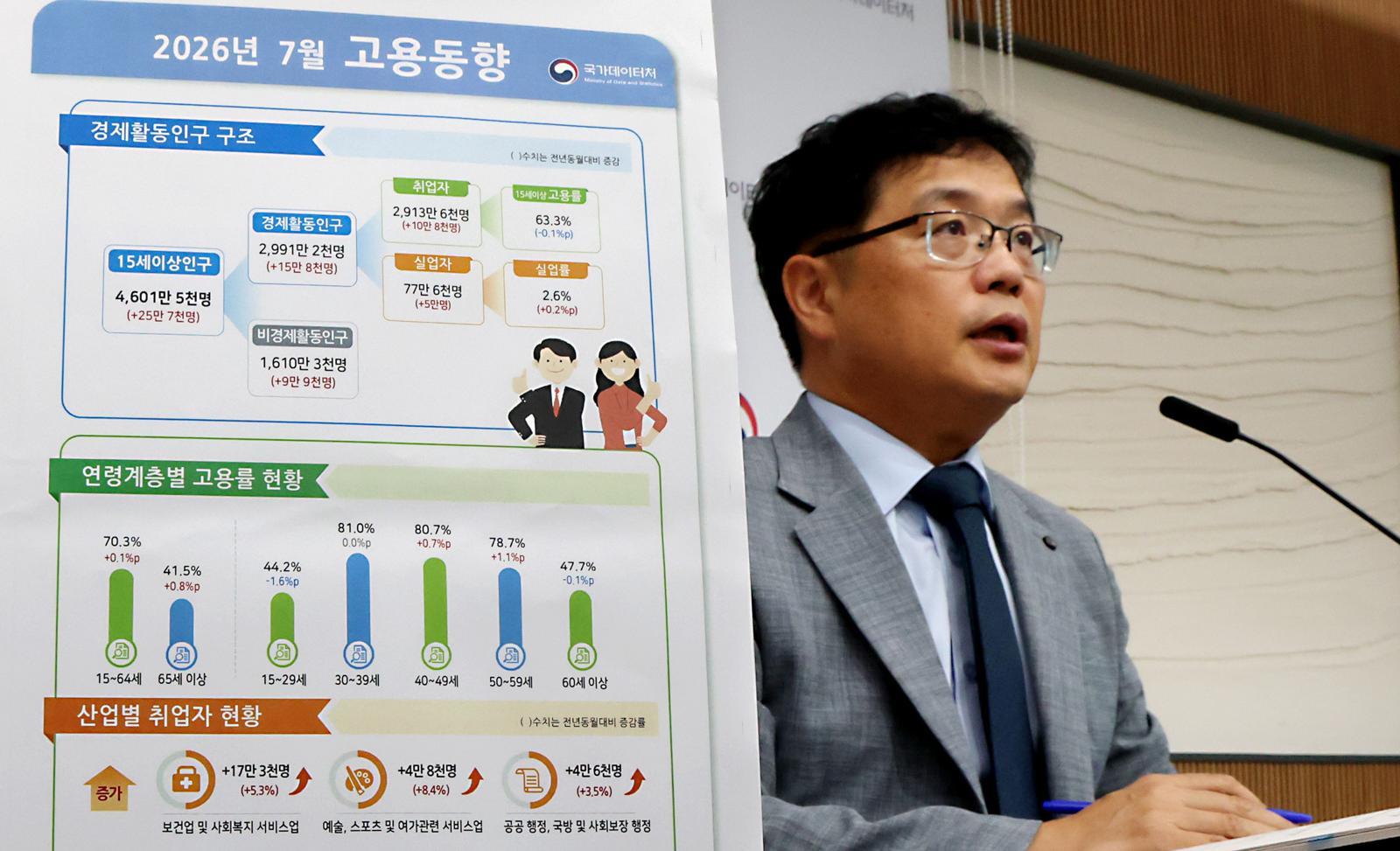
Despite signs of recovery in job-seeking intentions among young people, the persistently declining employment rate, now in its 27th consecutive month of decrease, suggests that job creation is not keeping pace. The youth employment rate for those aged 15-29 fell by 1.6 percentage points year-on-year to 44.2% in July.
The youth unemployment rate rose by 1.3 percentage points year-on-year to 6.8%. This is the highest for July since 2022 and the largest increase since January 2021.
While public sector hiring, including for civil service exams and various public roles, continues, the private sector shows little sign of recovery. Key sectors like manufacturing and construction have seen significant job losses, with 68,000 fewer jobs in manufacturing and 57,000 fewer in construction compared to the previous year, continuing a downward trend for over two years.
In response to the worsening situation, the government has announced plans to unveil a "Youth Employment Recovery Plan" later this month. This plan is intended to address the ongoing challenges in the job market and provide support for young job seekers.
The youth employment rate fell by 1.6 percentage points year-on-year to 44.2%, marking the 27th consecutive month of decline.
DistantNews Editorial
Originally published by Dong-A Ilbo in Korean. Translated, summarized, and contextualized by our editorial team with added local perspective. Read our editorial standards.
More Stories


From Our Blog

What Gets Lost (and Found) When News Is Translated

The Critical Role of Diaspora Media in Global News

What Travellers Should Know About Countries with Restricted Press

A Digital Nomad's Guide to Following Local News

How the Same Story Looks Different in Different Countries
