

South Koreans Favor Variable-Rate Loans Despite Rate Hike Warnings
Translated from Korean, summarized and contextualized by DistantNews.
At a glance
News
Documents & data
Context piece
- Despite rising interest rates, a significant majority of new household loans in South Korea are variable-rate mortgages.
- The proportion of variable-rate loans has exceeded 75%, a trend that reversed the conventional wisdom of favoring fixed rates during rate hikes.
- This shift is attributed to the current lower rates on variable-rate loans compared to fixed-rate options, offering immediate relief on monthly payments.
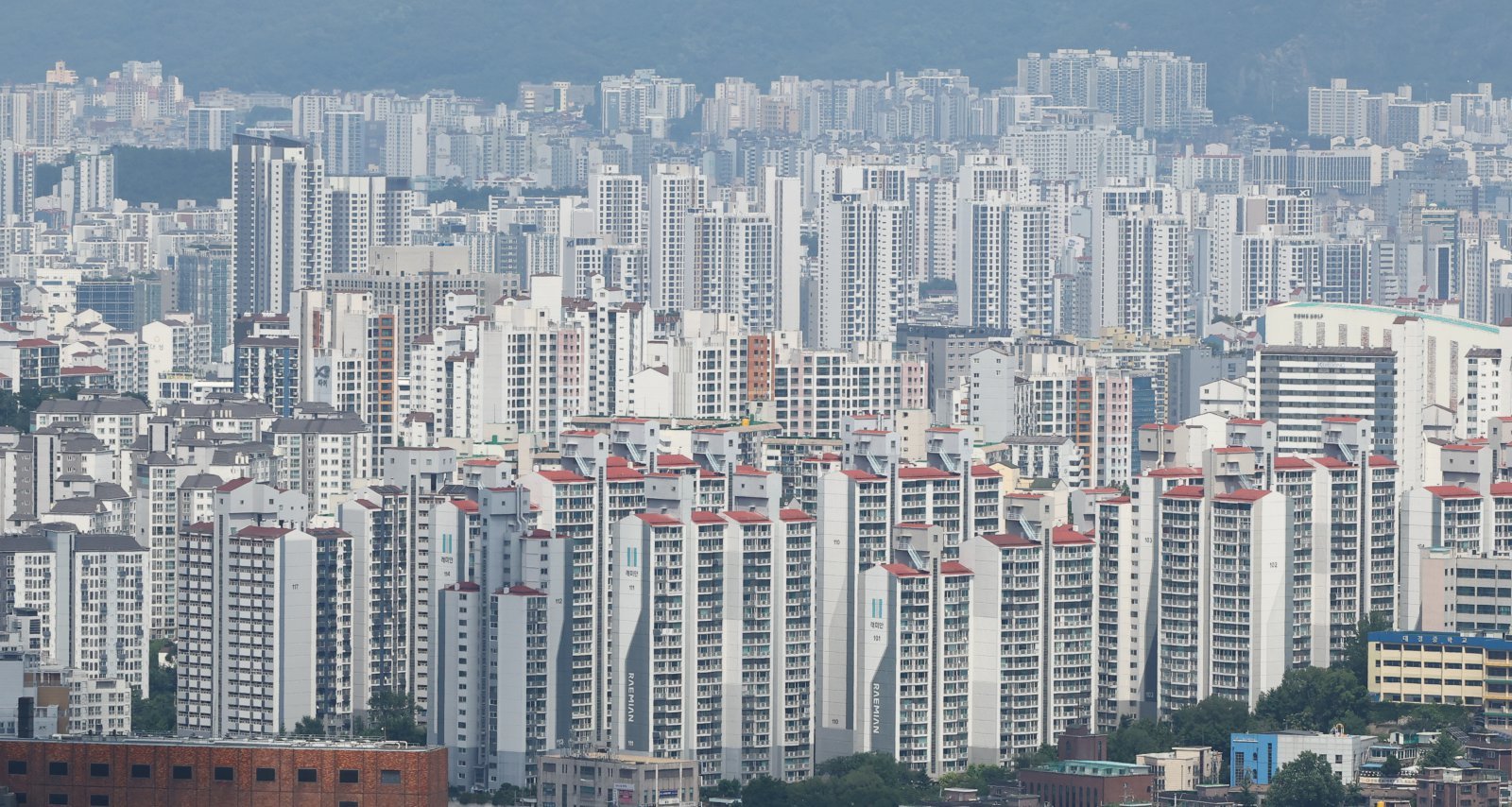
South Korean banks are witnessing a strong preference for variable-rate mortgages among new borrowers, even as the central bank signals further interest rate hikes. Data reveals that approximately three out of every four new household loans taken out are now variable-rate, a trend that has defied traditional financial advice.
The proportion of variable-rate loans among new household borrowings surpassed 75% as of the end of May, according to the Bank of Korea's economic statistics system. This marks a significant reversal from late last year when fixed-rate loans still held a majority. The shift is largely driven by the immediate cost advantage: variable rates are currently lower than fixed rates, making them more attractive for borrowers concerned about monthly repayment burdens and loan limits.
The proportion of variable-rate loans among new household borrowings was 75.4% as of the end of May.
For instance, in May, the average interest rate for new fixed-rate home loans stood at 4.44%, while variable-rate loans were notably lower at 4.23%. This gap has widened since April, when variable rates first dipped below fixed rates. Banks are advising borrowers to opt for the currently cheaper variable rates and then consider refinancing into fixed rates later, should rates rise significantly, after factoring in mid-term repayment fees and rate differentials.
The Bank of Korea has indicated a pivot towards rate increases in the latter half of the year, with market observers anticipating a potential increase in the benchmark rate to 3.00% by year-end. This anticipated tightening cycle, coupled with rising inflation, contrasts sharply with the borrowers' current strategy of locking in lower immediate costs through variable-rate loans. The situation highlights a complex interplay between borrower behavior, current market conditions, and future monetary policy expectations.
Banks are advising borrowers to opt for the currently lower variable rates and then consider refinancing into fixed rates later, should rates rise significantly, after factoring in mid-term repayment fees and rate differentials.
DistantNews Editorial
Originally published by Dong-A Ilbo in Korean. Translated, summarized, and contextualized by our editorial team with added local perspective. Read our editorial standards.
More Stories


From Our Blog

What Gets Lost (and Found) When News Is Translated

The Critical Role of Diaspora Media in Global News

What Travellers Should Know About Countries with Restricted Press

A Digital Nomad's Guide to Following Local News

How the Same Story Looks Different in Different Countries
