


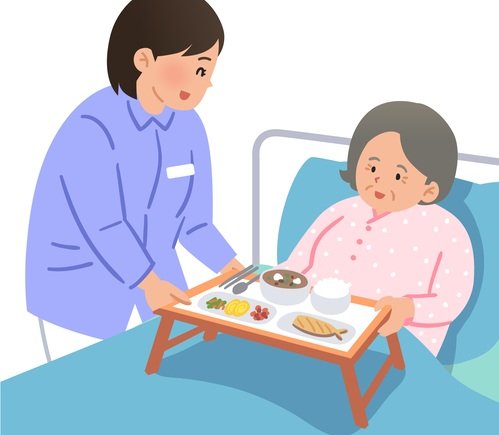
South Koreans Live Longer, But Healthy Years Lag Behind
Translated from Korean, summarized and contextualized by DistantNews.
At a glance
News
Sources not specified
Context piece
- South Korea's life expectancy reached 83.4 years in 2023, an increase of 11.7 years since 1990.
- However, the period lived in good health only increased by 9.4 years, widening the gap between life expectancy and healthy life expectancy.
- This trend, observed globally, indicates a longer duration of life with illness or disability, necessitating a focus on healthy aging and chronic disease management.
South Koreans are living longer, but not necessarily healthier lives. The nation's life expectancy climbed to 83.4 years in 2023, a significant jump from 71.7 years in 1990. Yet, the number of years spent in good health lagged behind, increasing by only 9.4 years during the same period.
Improving population health in the future requires a focus not just on helping people live longer, but on helping them live healthier.
This growing disparity means individuals are spending more years living with illness or disability. A study by the University of Washington's Institute for Health Metrics and Evaluation (IHME) analyzed data from 204 countries and regions between 1990 and 2023. It found that globally, the gap between life expectancy and healthy life expectancy widened by an average of 1.9 years, reaching 10.7 years.
In South Korea, this gap expanded from 9.3 years to 11.6 years. The study highlighted that this isn't just an issue of old age; the period of unhealthy living extends across adulthood. Musculoskeletal disorders, particularly lower back pain, were identified as the leading cause of reduced healthy life years globally, followed by mental health conditions, sensory impairments, and unintentional injuries.
Healthy aging should be evaluated not only by how long people live but also by healthy life expectancy.
Researchers emphasize the need to shift focus from merely extending lifespan to improving healthspan. "Improving population health in the future requires a focus not just on helping people live longer, but on helping them live healthier," said Dr. Christopher Murray, IHME director and study co-author. He stressed that reducing the time spent in unhealthy conditions requires increased investment in prevention, long-term disease management, and chronic care.
To reduce the period spent in unhealthy conditions, we need to expand investment in prevention and long-term disease management and chronic care.
DistantNews Editorial
Originally published by Dong-A Ilbo in Korean. Translated, summarized, and contextualized by our editorial team with added local perspective. Read our editorial standards.
More Stories



From Our Blog

What Gets Lost (and Found) When News Is Translated

The Critical Role of Diaspora Media in Global News

What Travellers Should Know About Countries with Restricted Press

A Digital Nomad's Guide to Following Local News

How the Same Story Looks Different in Different Countries
