


South Koreans Shocked by Triple Electricity Bills Amid Heatwave
Translated from Korean, summarized and contextualized by DistantNews.
At a glance
News
Named sources
Context piece
- Residents in Daegu, South Korea, are experiencing significantly higher electricity bills, with some seeing a threefold increase from July to August.
- The surge in costs is attributed to increased air conditioner usage during a prolonged heatwave, pushing households into higher electricity tariff tiers.
- Experts advise energy-saving measures like using fans with air conditioners and ensuring proper ventilation for outdoor units to mitigate high bills.
South Korean households, particularly in Daegu, are facing a "bill shock" as electricity costs surge dramatically due to an extended heatwave. Residents are reporting threefold increases in their electricity bills, with some seeing charges jump from around 40,000 won in July to over 120,000 won in August.
The primary driver behind this sharp rise is the increased reliance on air conditioning and other cooling appliances amid relentless high temperatures. A resident in Daegu, identified as Mr. A, a young professional living alone, expressed shock after his electricity bill nearly tripled. Despite efforts to conserve energy, such as using only a fan during cooler nights, the necessity of running the air conditioner during the day and after work led to unexpectedly high charges.
"I bought a Grade 1 air conditioner thinking it would save electricity, but I was surprised by the bill," Mr. A lamented. "I only used the air conditioner when it was too hot to sleep, and during the day before and after work. Still, I feel like I've been hit with a bill bomb."
I bought a Grade 1 air conditioner thinking it would save electricity, but I was surprised by the bill. I only used the air conditioner when it was too hot to sleep, and during the day before and after work. Still, I feel like I've been hit with a bill bomb.
South Korea's residential electricity tariff system employs a progressive 누진제 (nujin-je), or progressive rate system, with three tiers based on consumption. While the tiers are temporarily adjusted during the peak summer months of July and August to 300 kWh, 301-450 kWh, and over 450 kWh, exceeding the 300 kWh threshold significantly increases the per-kilowatt-hour rate and base charges. For instance, using 495 kWh, just 10% over the 450 kWh limit, can result in a bill increase of about 26%.
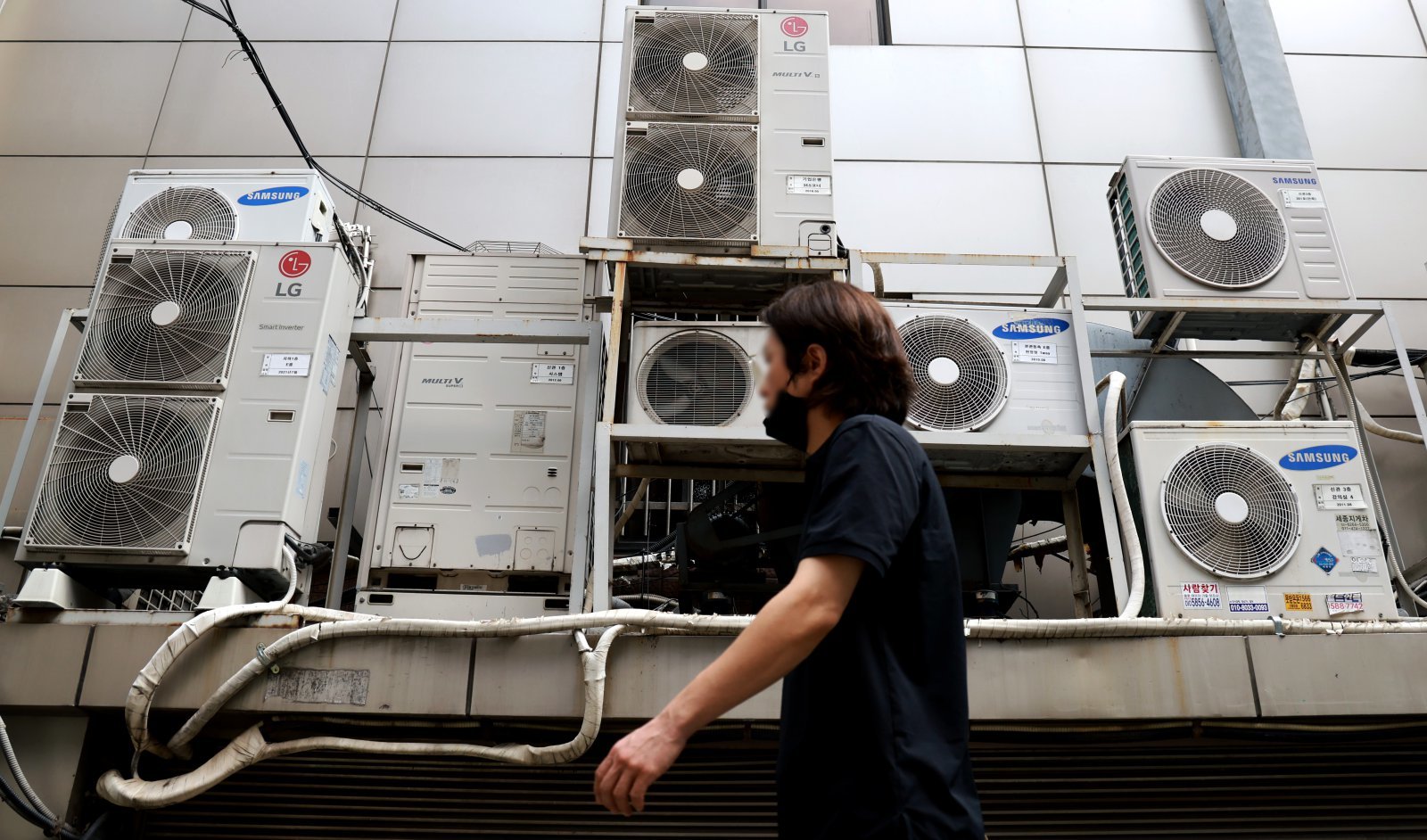
Energy experts are offering advice to help consumers manage their electricity consumption. The Energy and Petroleum Market Monitoring Group suggests that for standard air conditioners, cycling the unit on and off once the desired temperature is reached can save energy. However, for inverter-type air conditioners, maintaining a set temperature of 26-27°C is more efficient. They also recommend turning off air conditioners when leaving the house for more than two hours and using circulators or fans in conjunction with air conditioners to improve cooling efficiency. Additionally, keeping doors to unused rooms closed and cleaning the outdoor unit's filter can further reduce electricity usage and prevent potential fire hazards from overheating.
For standard air conditioners, it is helpful to turn them off and on again once the desired temperature is reached, but for inverter types, it is more efficient to set them to 26-27 degrees and keep them running.
DistantNews Editorial
Originally published by Dong-A Ilbo in Korean. Translated, summarized, and contextualized by our editorial team with added local perspective. Read our editorial standards.
More Stories


From Our Blog

What Gets Lost (and Found) When News Is Translated

The Critical Role of Diaspora Media in Global News

What Travellers Should Know About Countries with Restricted Press

A Digital Nomad's Guide to Following Local News

How the Same Story Looks Different in Different Countries
