


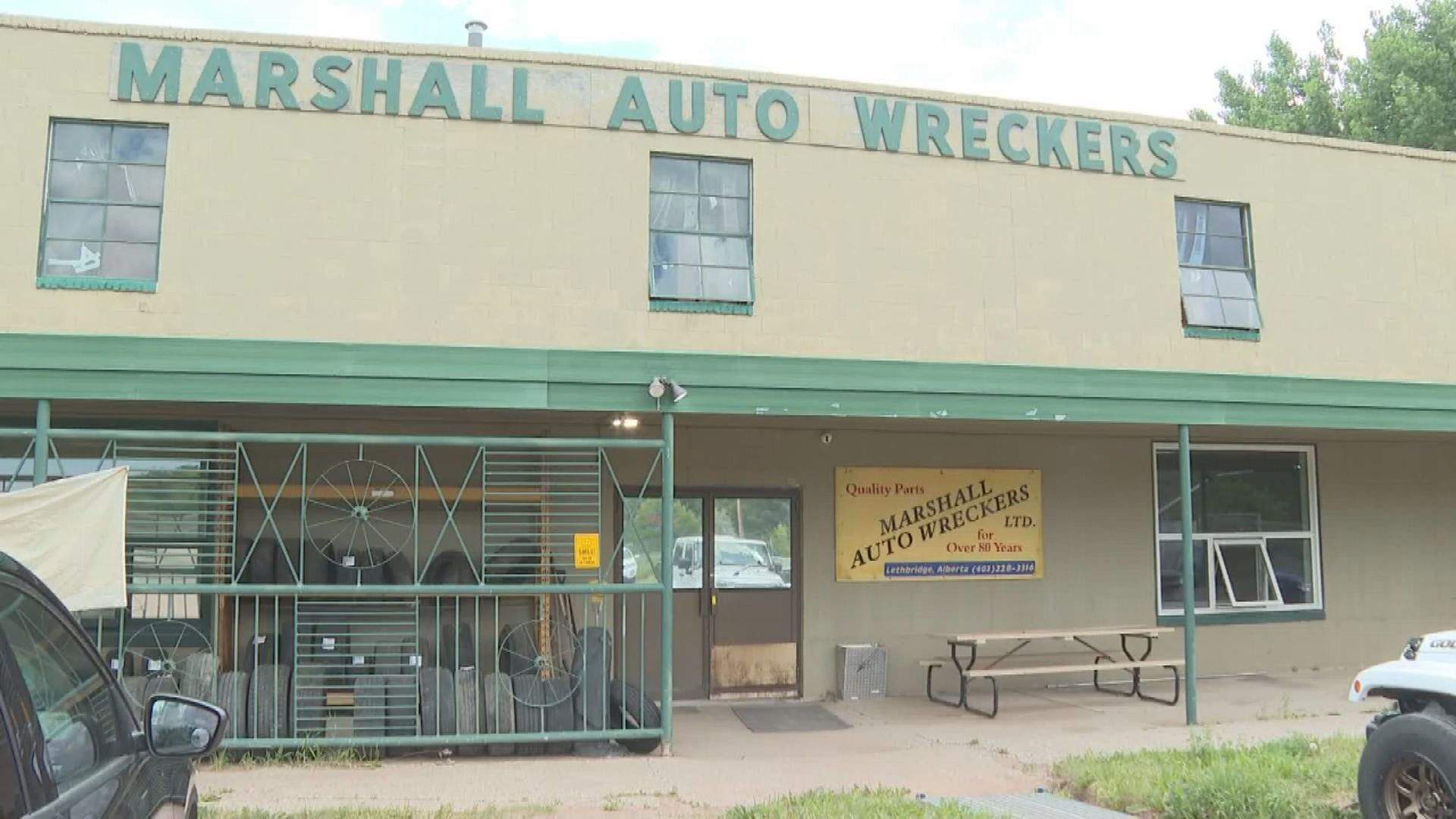
Southern Alberta business concerned about copycat website
Summarized and contextualized by DistantNews.
At a glance
News
Sources not specified
Context piece
- Marshall Auto Wreckers in Southern Alberta is facing issues with a copycat website that has been operating for nearly two years.
- Customers have been defrauded after believing they purchased parts from the fake website, with some traveling long distances.
- Police advise consumers to verify website URLs, email addresses, and phone numbers to avoid online scams.
Marshall Auto Wreckers, a trusted business in Southern Alberta for decades, is grappling with a sophisticated online scam. A fraudulent website and social media pages have been mimicking the company for almost two years, leading to widespread customer confusion and financial loss.
I answer probably five to 10 calls a day from people saying that they have either been defrauded or they’re (in the process of being) defrauded.
John Koller, an employee at Marshall Auto Wreckers, reports receiving five to ten calls daily from individuals who have been defrauded or are in the process of being scammed. Some customers have even traveled across the country, only to discover the parts they believed they had purchased do not exist. "Heartbreaking to get up and race clear across the country to get your car on the road, only to be let down," Koller stated.
The Lethbridge Police Service has highlighted the dangers associated with such fraudulent websites. Const. Stephanie Law of the economic crimes unit warned that clicking on fake links can lead to malicious websites or the installation of computer viruses. She stressed the importance of meticulously verifying website URLs, email addresses, and phone numbers.
Heartbreaking to get up and race clear across the country to get your car on the road, only to be let down.
Law advised consumers to be vigilant, noting that fake websites often use subtle misspellings, such as substituting a '1' for an 'l.' She emphasized, "The biggest thing is just always confirm who you’re talking to, take the time to make sure you’re talking to the right person, the proper business, you’re on the proper website and just don’t click any links that have been sent to you."
Clicking on fraudulent links that could maybe take you somewhere else, they could maybe input viruses on your computer if you click a link.
Koller recommends that customers prioritize brick-and-mortar businesses where they can physically inspect products before making payments. He remains committed to assisting affected customers, directing them to legitimate sources whenever possible.
The biggest thing is just always confirm who you’re talking to, take the time to make sure you’re talking to the right person, the proper business, you’re on the proper website and just don’t click any links that have been sent to you.
DistantNews Editorial
Originally published by Global News. Summarized and contextualized by our editorial team with added local perspective. Read our editorial standards.
More Stories

From Our Blog

What Gets Lost (and Found) When News Is Translated

The Critical Role of Diaspora Media in Global News

What Travellers Should Know About Countries with Restricted Press

A Digital Nomad's Guide to Following Local News

How the Same Story Looks Different in Different Countries
