


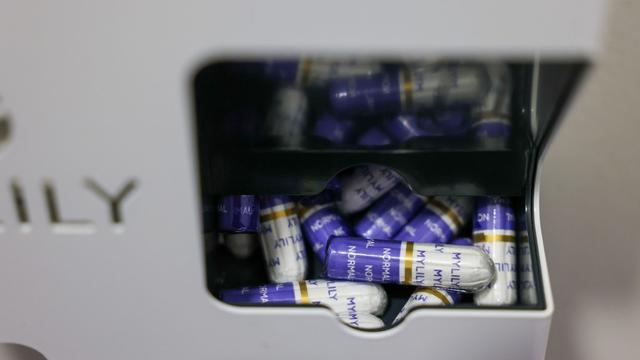
Southwest German towns spend tens of thousands on free tampons
Translated from German, summarized and contextualized by DistantNews.
At a glance
News
Official statement
Context piece
- Numerous municipalities in southwestern Germany are providing free menstrual products in public buildings like schools and town halls.
- Costs for these programs vary significantly, ranging from approximately 8,500 euros to potentially six figures annually per city.
- The initiative aims to improve health, social participation, and educational opportunities, particularly for low-income individuals.
Municipalities across southwestern Germany are increasingly offering free menstrual products, such as pads and tampons, in public facilities including schools, town halls, and public restrooms. This growing trend aims to address barriers to accessing essential hygiene items.
The initiative is driven by the understanding that limited access to menstrual products can hinder health, social inclusion, and opportunities in education and employment, especially for individuals with lower incomes. The state's Ministry of Social Affairs emphasizes that such access is crucial for overall well-being.
While the provision of free products is becoming widespread, the financial commitment varies significantly among cities. Freiburg anticipates annual costs in the low six figures for its schools, sports halls, and public toilets. Heidelberg estimates around 38,000 euros per year for supplying and refilling dispensers. Heilbronn reported spending approximately 8,500 euros last year, while Mannheim has budgeted 10,000 euros for initial supplies in schools for 2025 and 2026, with ongoing refilling covered by school operating budgets. Pforzheim reports average annual costs of 2,300 euros.
Many cities have implemented these programs recently, with Stuttgart starting in 2020, Heidelberg and Freiburg in 2022, and Tübingen, Ulm, and Ludwigsburg in 2023. The availability of these products in schools, often through dispensers, and in other public buildings aims to ensure that no one faces undue hardship due to the cost of menstrual hygiene.
DistantNews Editorial
Originally published by Die Zeit in German. Translated, summarized, and contextualized by our editorial team with added local perspective. Read our editorial standards.
More Stories


From Our Blog

What Gets Lost (and Found) When News Is Translated

How the Same Story Looks Different in Different Countries

The Critical Role of Diaspora Media in Global News

What Travellers Should Know About Countries with Restricted Press

A Digital Nomad's Guide to Following Local News
