


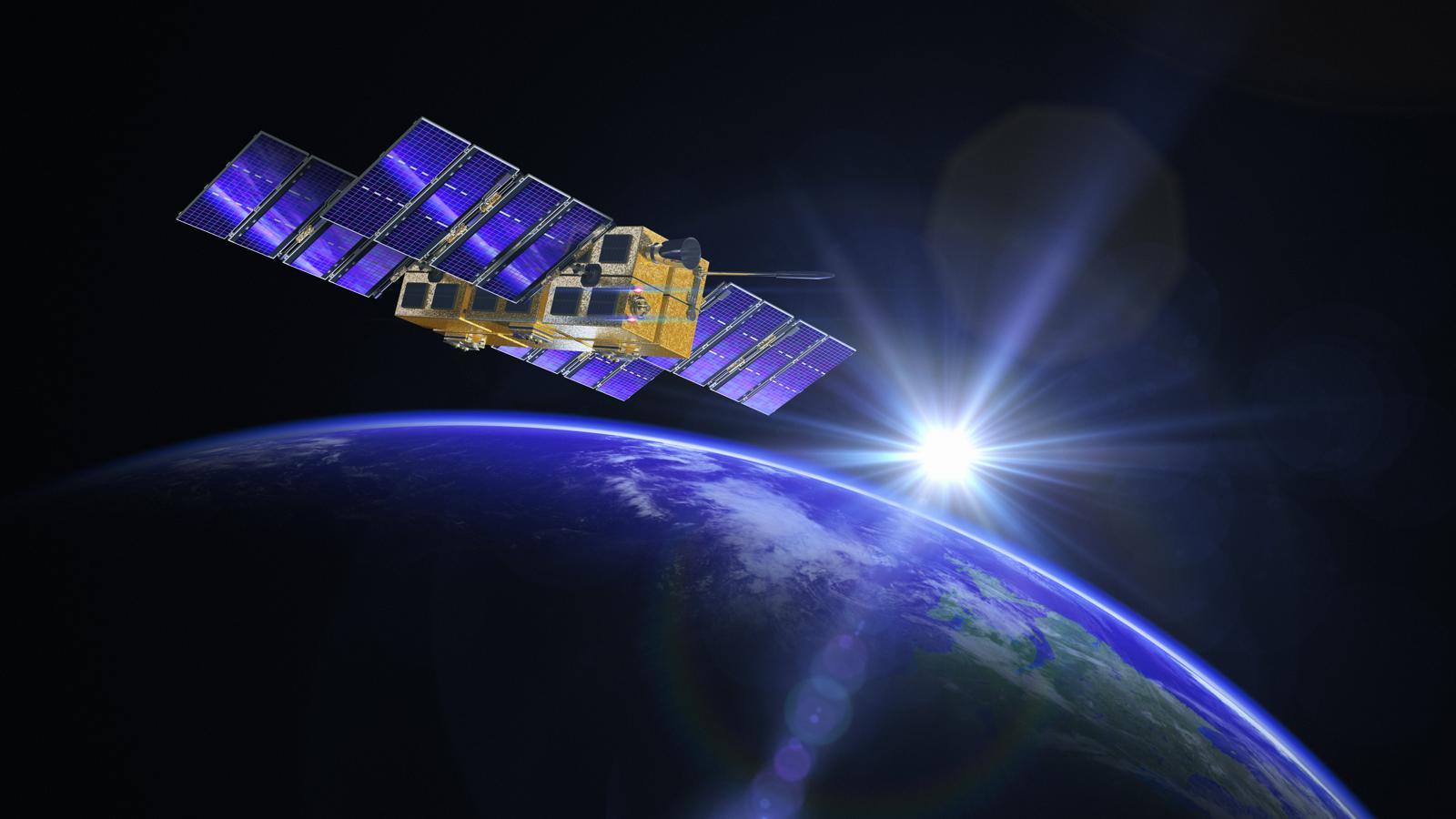
SpaceX plans to build AI data centers in space... but is it really possible?
Translated from Korean, summarized and contextualized by DistantNews.
At a glance
Analysis
Named sources
Context piece
- Tech giants like SpaceX are exploring the concept of building AI data centers in orbit due to limitations on Earth, such as power and water shortages.
- Significant technical challenges remain, including cooling in the vacuum of space and protection from radiation and space debris.
- Initially, space-based data centers may serve specialized needs, like processing data from Earth observation or military satellites, rather than replacing terrestrial centers.
The intense competition in artificial intelligence (AI) is driving a race to secure adequate data center infrastructure, pushing companies to consider ambitious solutions like establishing AI data centers in outer space. SpaceX has unveiled plans for an 'AI1 Compute Satellite,' aiming to create an orbital computing platform for data processing. This move is motivated by the increasing resource demands of terrestrial data centers, including massive electricity consumption, significant water usage for cooling, and local opposition to new facilities.
The idea is attractive, but there are quite a few technical barriers to overcome before it becomes a reality.
Space offers potential advantages, such as utilizing solar power and bypassing land and water scarcity issues. Unlike on Earth, where air circulation cools servers, the vacuum of space presents a unique cooling challenge. While space is extremely cold, the lack of atmosphere prevents convective cooling. Heat must be dissipated through infrared radiation, a process engineers note is highly inefficient. Dissipating 10 megawatts of waste heat could require radiators as large as two football fields, in addition to substantial solar panels for power.
The biggest challenge is cooling. Although the background temperature of space is extremely low, the fact that it is a vacuum with no air at all is actually the problem.
Beyond cooling, space-based data centers face other hurdles. Cosmic radiation can damage semiconductors and cause computational errors. The risk of collisions with space debris and micrometeoroids is also a constant concern. Furthermore, launching and assembling complex infrastructure in orbit would incur astronomical costs. The typical server lifecycle of 3-5 years for upgrades and replacements also poses a problem, as maintaining or swapping equipment in space is exceptionally difficult and expensive.
In the process of dissipating heat from servers into space in the form of infrared rays, the efficiency is very low.
Despite these obstacles, space-based AI data centers are not entirely unrealistic. While the initial capabilities of SpaceX's AI1 satellite are expected to be significantly lower than ground-based centers, they could initially serve niche applications. These might include real-time processing of data from Earth observation satellites, handling data from military and intelligence satellites, or performing scientific calculations for space exploration missions, thereby reducing the time needed to transmit data back to Earth. Experts suggest that rather than replacing existing cloud services, these orbital facilities will likely focus on processing data generated within space itself.
Therefore, it is highly likely that it will be used first for processing data generated in space, rather than replacing generative AI or cloud services.
DistantNews Editorial
Originally published by Dong-A Ilbo in Korean. Translated, summarized, and contextualized by our editorial team with added local perspective. Read our editorial standards.
More Stories


From Our Blog

What Gets Lost (and Found) When News Is Translated

The Critical Role of Diaspora Media in Global News

What Travellers Should Know About Countries with Restricted Press

A Digital Nomad's Guide to Following Local News

How the Same Story Looks Different in Different Countries
