

SpaceX rocket debris crashes onto moon
Translated from German, summarized and contextualized by DistantNews.
At a glance
News
Named sources
Outcome reported
- A four-ton piece of a SpaceX Falcon 9 rocket has impacted the moon, confirmed by the European Southern Observatory.
- The rocket stage had been in orbit since launching two lunar landers in January 2025 and was unexpectedly diverted from its course.
- This event is rare, as lunar impacts are usually from meteorites, and NASA considers such data important for its future moon base plans.
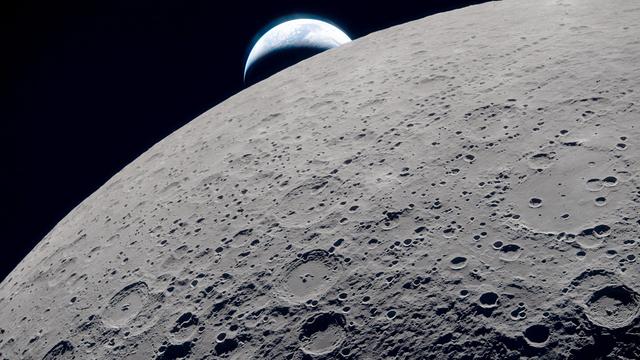
A four-ton remnant of a SpaceX Falcon 9 rocket has crashed onto the moon, according to scientists at the European Southern Observatory (ESO). The ESO confirmed the impact using its Very Large Telescope (VLT), detecting spectral lines consistent with the expected event.
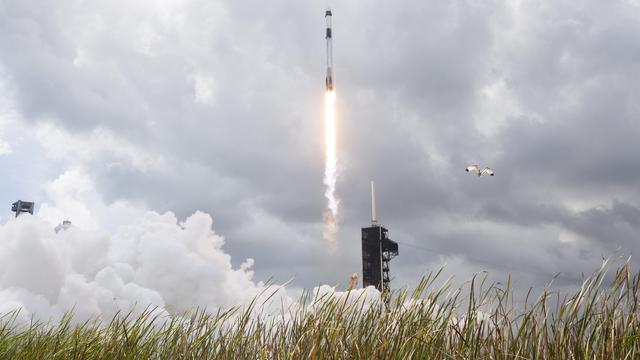
The rocket stage had been in orbit since launching two lunar landers in January 2025. While the rocket's booster returned to Earth, the upper stage remained in space. SpaceX director Julianna Scheiman had previously stated that a combination of solar activity and gravity caused the piece to deviate from its calculated trajectory, leading it unintentionally toward the moon.
The U.S. space agency NASA and South Korea's space agency had announced plans to photograph the impact site with their probes. However, it could take several days for these images to be transmitted, and official confirmation from these agencies is still pending.
Data on potential collisions with space debris is crucial for NASA's future plans to establish a lunar base. While meteorites regularly strike the moon, impacts involving rocket parts or other space debris are infrequent. The European Space Agency (ESA) estimates that over 46,000 pieces of space debris, weighing approximately 17,000 tons, currently orbit Earth.
a mixture of solar activity and gravity
DistantNews Editorial
Originally published by Die Zeit in German. Translated, summarized, and contextualized by our editorial team with added local perspective. Read our editorial standards.
More Stories



From Our Blog

What Gets Lost (and Found) When News Is Translated

How the Same Story Looks Different in Different Countries

The Critical Role of Diaspora Media in Global News

What Travellers Should Know About Countries with Restricted Press

A Digital Nomad's Guide to Following Local News
