

Spain and Argentina also play in museums: The Prado and Malba launch a cultural duel
Translated from Spanish, summarized and contextualized by DistantNews.
At a glance
News
Sources not specified
Context piece
- Spain's Prado Museum and Argentina's Malba museum are engaging in a cultural "duel" on social media ahead of the World Cup final.
- Both museums are using art to represent their national teams' journeys to the final.
- The Prado uses classical European masterpieces, while Malba employs contemporary Argentine art.
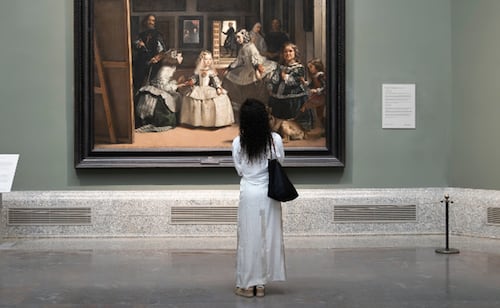
As the World Cup final between Argentina and Spain approaches, a unique cultural competition is unfolding on social media, pitting the Prado Museum against the Malba museum. Both institutions are using their art collections to illustrate how their respective national teams reached the final.
The Prado Museum initiated the exchange by posting on Instagram, presenting "10 words that explain why Spain is in the World Cup final 2026." These words were accompanied by iconic European masterpieces from the 16th to 19th centuries, including works by El Greco, Rubens, Diego Velázquez, and Goya. Concepts like "Motivation," illustrated by Rubens' "Vulcan Forging Jupiter's Thunderbolts," and "Humility," depicted through a Tintoretto painting of Christ washing the disciples' feet, were featured.
Almost immediately, the Museo de Arte Latinoamericano de Buenos Aires (Malba) responded with contemporary art. Their post, titled "Here are ours, Museo del Prado, 10 words that explain why Argentina is in the World Cup final 2026," showcased pieces like Marcos López's "Asado en Mendiolaza," a photographic work that mirrors Da Vinci's "The Last Supper" to represent "friendship." Antonio Berni's painting "Manifestación" illustrated the concept of "pueblo" (people).
This digital art battle quickly went viral, inspiring other Argentine museums, including the Castagnino and Sívori museums, and the National History Museum, to join in by sharing their own ten words and representative artworks. With only hours left until the final match, the Prado Museum posted again, this time focusing on "waiting," using three portraits where anticipation is the central theme.
DistantNews Editorial
Originally published by El Universal in Spanish. Translated, summarized, and contextualized by our editorial team with added local perspective. Read our editorial standards.
More Stories

From Our Blog

What Press Freedom Means for the News You Read

What Gets Lost (and Found) When News Is Translated

The Critical Role of Diaspora Media in Global News

What Travellers Should Know About Countries with Restricted Press

A Digital Nomad's Guide to Following Local News
