

Spain asks Frontex for help managing migrants in Ceuta
Translated from Danish and summarized by DistantNews. Read the original for the full story.
At a glance
News
From a news agency
Ongoing story
- Spain has requested assistance from the EU's border agency, Frontex, to manage the migrant situation in Ceuta.
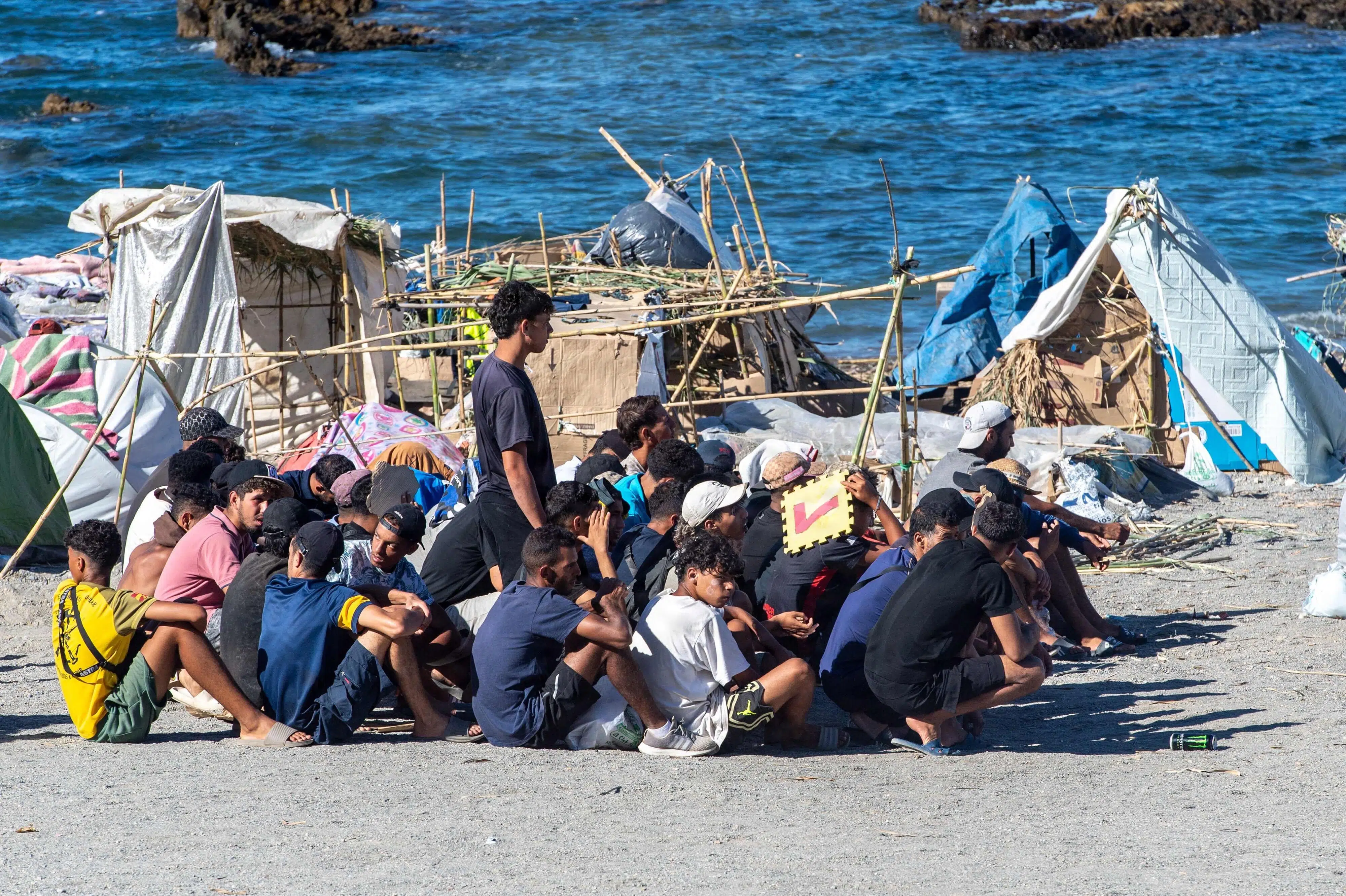
- Thousands of migrants remain in the Spanish enclave after a large influx from Morocco in July, which also resulted in numerous deaths.
- Local tensions are rising, with protests and attacks on migrant camps, while Spain faces pressure to process the arrivals.
The Spanish government has formally requested help from the EU's border agency, Frontex, to manage the ongoing migrant situation in the North African enclave of Ceuta. This plea comes nearly a month after tens of thousands of migrants crossed the border from Morocco into the Spanish territory.
According to Spanish authorities, between 5,000 and 8,000 people still remain in Ceuta following the massive influx in late July. During that period, at least 82 migrants died on the Spanish side of the border, with Morocco confirming an additional 14 deaths. Spain has also requested 10 more Frontex officers to aid in migrant control efforts.
The request to the EU coincides with rising tensions within Ceuta. Local residents have staged protests demanding the migrants leave the city. Tents on the beach, where many migrants had been camping, have been attacked and set on fire. In one incident, 12 migrants were arrested for throwing stones at a military vehicle, resulting in injuries to a soldier and four migrants.
Prime Minister Pedro Sánchez is under considerable pressure to address the crisis. Legal complexities prevent the swift expulsion of migrants, and the Spanish government is reluctant to transfer them to the mainland. Only around 500 unaccompanied minors, deemed to be in special need of protection, are slated for transfer. International law and Spanish court rulings prohibit collective repatriation to Morocco without individual case assessments.
About this summary
Originally published by Berlingske in Danish. Translated, summarized, and contextualized automatically by DistantNews, with a note on how the source frames the story. Not individually reviewed before publishing. How this works.
More Stories


From Our Blog

What Gets Lost (and Found) When News Is Translated

The Critical Role of Diaspora Media in Global News

What Travellers Should Know About Countries with Restricted Press

A Digital Nomad's Guide to Following Local News

How the Same Story Looks Different in Different Countries
