

Spain deploys military as thousands of migrants breach Morocco border, at least 9 dead
Translated from English, summarized and contextualized by DistantNews.
At a glance
News
From a news agency
Ongoing story
- Spain is deploying its military to restore order in the Spanish territory of Ceuta after thousands of migrants breached the border from Morocco.
- At least nine migrants died during the chaotic border crossing, with bodies seen floating in the water.
- The Spanish government announced Prime Minister Pedro Sánchez will visit Ceuta on Friday to address the escalating border crisis.
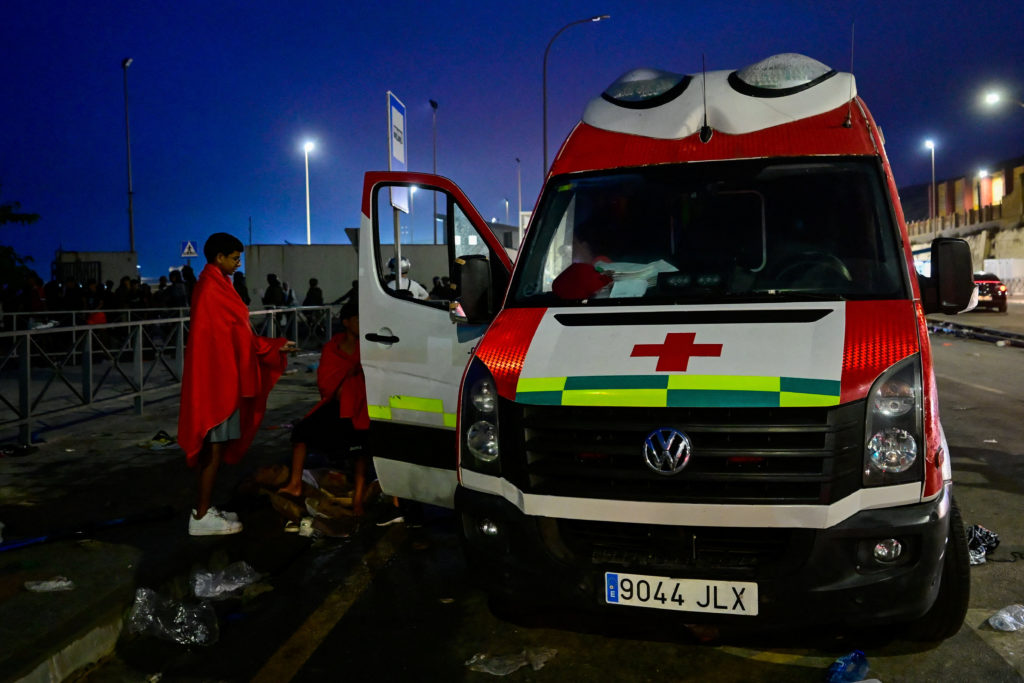
Spain is sending its military to the border with Morocco to restore order in the territory of Ceuta, after thousands of migrants surged across the frontier. At least nine people died during the chaotic crossing, with authorities reporting bodies floating in the water.
The situation in Ceuta, a Spanish exclave on North Africa's northern coast, was described as "absolute chaos" by a representative of the Civil Guard officers policing the border. "The border had totally collapsed," he told The Associated Press, noting that thousands of migrants, primarily Moroccans, were crossing.
The situation is absolute chaos. It's not possible to give precise numbers, but there are thousands of migrants crossing. The border had totally collapsed.
Video footage showed crowds of people, including families with women and small children, walking onto local roads from the breakwaters at Tarajal beach. The reasons behind the sudden surge remain unclear, though arrivals had been increasing in recent days.
Moroccan authorities have not publicly commented on the crossings. Spain's Interior Ministry stated that the Moroccan government is cooperating to manage the situation, with Moroccan police reportedly stopping many individuals attempting to cross. Both nations have agreed to work together to return those who entered Ceuta illegally.
The Tarajal border was opened under unusual circumstances this morning and people crossed.
DistantNews Editorial
Originally published by PBS NewsHour in English. Translated, summarized, and contextualized by our editorial team with added local perspective. Read our editorial standards.
More Stories


From Our Blog

How the Same Story Looks Different in Different Countries

What Gets Lost (and Found) When News Is Translated

The Critical Role of Diaspora Media in Global News

What Travellers Should Know About Countries with Restricted Press

A Digital Nomad's Guide to Following Local News
