


Spain on high alert for rare solar eclipse, deploys thousands of police
Translated from Croatian, summarized and contextualized by DistantNews.
At a glance
News
Sources not specified
New plan
- Spain is preparing for a rare total solar eclipse on Wednesday, August 12, the first visible from the Iberian Peninsula since 1912.
- Authorities anticipate a significant increase in traffic, potentially 400,000 to 1.5 million additional journeys, leading to extensive traffic and security measures.
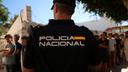
- Approximately 9,400 police officers will be deployed, and public transport will be enhanced in anticipation of a large influx of visitors to view the phenomenon.
Spain braces for a rare celestial event as a total solar eclipse is set to grace the skies on Wednesday, August 12. This marks the first time the phenomenon will be visible from the Iberian Peninsula since 1912, drawing significant public interest.
Authorities anticipate a surge in visitors, with studies suggesting an increase of 400,000 to 1.5 million additional journeys to areas within the eclipse's path. The Spanish Directorate General of Traffic (DGT) has declared the eclipse a major traffic event, urging citizens to plan travel in advance and avoid unnecessary trips. Drivers are warned against stopping on roads to observe the eclipse and advised to maintain safe distances and adjust speeds.
To manage the expected crowds, the National Police will deploy around 9,400 officers across the country. Regional police departments have developed specific plans to monitor viewing sites, prevent overcrowding, and ensure emergency service corridors remain clear. Enhanced public transport is also planned, particularly in Madrid, to facilitate access to popular viewing locations. Health and consumer institutions are issuing specific warnings to the public, though details were cut off in the provided text.
Due to the expected large number of visitors, the National Police have announced the deployment of around 9,400 police officers.
DistantNews Editorial
Originally published by Večernji List in Croatian. Translated, summarized, and contextualized by our editorial team with added local perspective. Read our editorial standards.
More Stories



From Our Blog

What Gets Lost (and Found) When News Is Translated

The Critical Role of Diaspora Media in Global News

What Travellers Should Know About Countries with Restricted Press

A Digital Nomad's Guide to Following Local News

How the Same Story Looks Different in Different Countries
