


Spain's 'Toxic Summer' Politics
Translated from Spanish, summarized and contextualized by DistantNews.
At a glance
Opinion
Sources not specified
Context piece
- August is no longer a relaxed period for politicians, with constant political activity and strategic visibility plays replacing traditional breaks.
- The current political climate is described as "unbreathable," fueled by polarization and rapid spread of controversies, especially on social media.
- This toxic environment contaminates public judgment and diminishes constructive engagement, leaving a lasting residue of animosity.
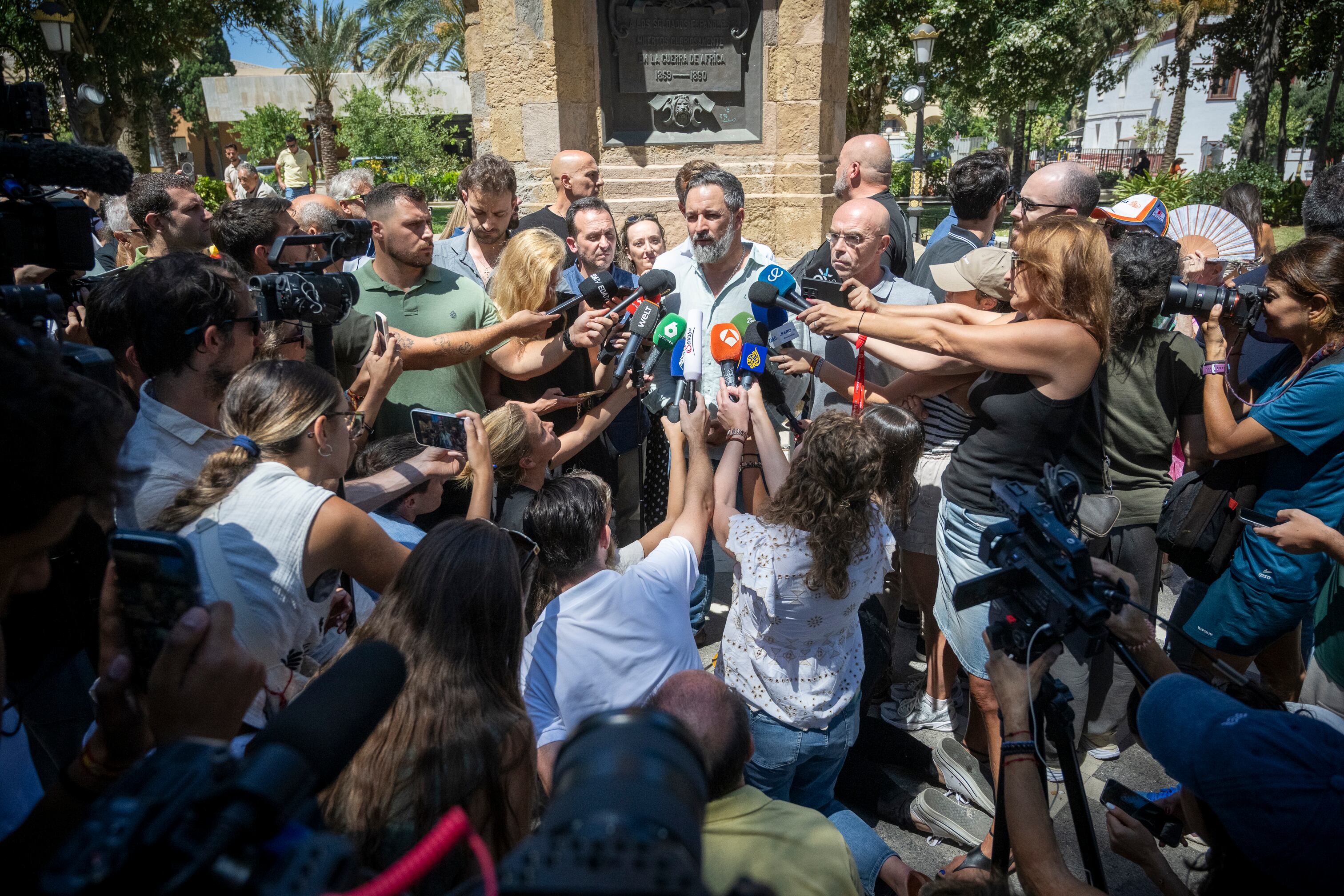
August, once a quiet month for political figures to take a break and connect with citizens, has transformed into a period of intense political activity. Politicians are no longer seen strolling on beaches or engaging in quiet diplomacy; instead, every image and gesture is carefully curated for strategic visibility and to capture public attention in an increasingly suffocating political climate.
No longer is August a relaxed parenthesis where we could see photographs of politicians from different parties walking on the beach, accompanied by family, partners, friends, practicing a hobby…
The author contends that the current atmosphere is far beyond mere polarization. It's an "unbreathable air" thick with "black and dense smoke," where controversies ignite and spread with the speed of wildfires, fanned by social media algorithms. Indignation, the piece notes, has become the most profitable fuel for this perpetual political fire.
Today, political news boils and is the fruit of the unbreathable climate we have been living in for some time.
This constant state of conflict, characterized by systematic disqualification and the transformation of any disagreement into a confrontation, leaves a toxic residue. This residue permeates public judgment, erodes the capacity for discernment, and saps the energy for constructive action. The author warns that even when the flames subside, the smoke lingers, a constant reminder of the potential for renewed conflict.
It is not enough to say that the debate is polarized; what we breathe is air charged with black and dense smoke.
Waiting for this toxic atmosphere to dissipate may be futile. In an environment where genuine dialogue and disagreement seem impossible, the author calls for a clear and resounding demand to "clean the air." The piece concludes by emphasizing the destructive nature of hatred, comparing its aftermath to a barren and toxic landscape, much like the one left behind by uncontrolled fires.
Indignation becomes, as so many times, the most profitable fuel.
DistantNews Editorial
Originally published by La Vanguardia in Spanish. Translated, summarized, and contextualized by our editorial team with added local perspective. Read our editorial standards.
More Stories


From Our Blog

What Gets Lost (and Found) When News Is Translated

The Critical Role of Diaspora Media in Global News

What Travellers Should Know About Countries with Restricted Press

A Digital Nomad's Guide to Following Local News

How the Same Story Looks Different in Different Countries
