


Spain to Move 500 Unaccompanied Minors from Ceuta to Mainland
Translated from German, summarized and contextualized by DistantNews.
At a glance
News
Sources not specified
New plan
- Spain plans to transfer around 500 vulnerable unaccompanied minors from Ceuta to the mainland.
- The move follows a mass arrival of migrants in July, with thousands still in Ceuta.
- The Spanish government is seeking EU emergency aid and has allocated 25 million euros to support Ceuta.
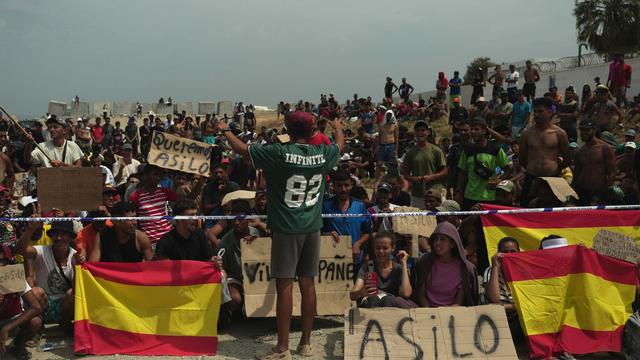
Spain is preparing to move approximately 500 vulnerable unaccompanied minors from the North African enclave of Ceuta to the mainland. The decision comes after thousands of migrants arrived in Ceuta in late July, overwhelming local authorities.
Integration Minister Elma Saiz confirmed media reports of the plan, stating that the central government is collaborating with Ceuta's authorities and regional governments across Spain. These children are expected to be cared for by child protection organizations in suitable facilities on the mainland. Reports suggest a "binding and solidarity-based reception of minors by all regions" of Spain, with some children potentially placed in foster families.
The number of minors targeted for transfer is currently around 500 but may change. Saiz emphasized that all measures must protect the "overriding interest of the child." Ceuta will receive 25 million euros in support, and Spain has requested emergency funding from the EU.
Since the late July influx, Spanish police have identified 2,168 unaccompanied minors in Ceuta. While the majority of the estimated 80,000 migrants who arrived then have since returned to Morocco, the situation remains tense. Official reports indicate 83 bodies recovered from the sea, though NGOs estimate the death toll to be much higher. Around 5,000 migrants reportedly remain in Ceuta, posing significant challenges for authorities regarding their care and accommodation.
the overriding interest of the child
DistantNews Editorial
Originally published by Die Zeit in German. Translated, summarized, and contextualized by our editorial team with added local perspective. Read our editorial standards.
More Stories


From Our Blog

What Gets Lost (and Found) When News Is Translated

How the Same Story Looks Different in Different Countries

The Critical Role of Diaspora Media in Global News

What Travellers Should Know About Countries with Restricted Press

A Digital Nomad's Guide to Following Local News
