


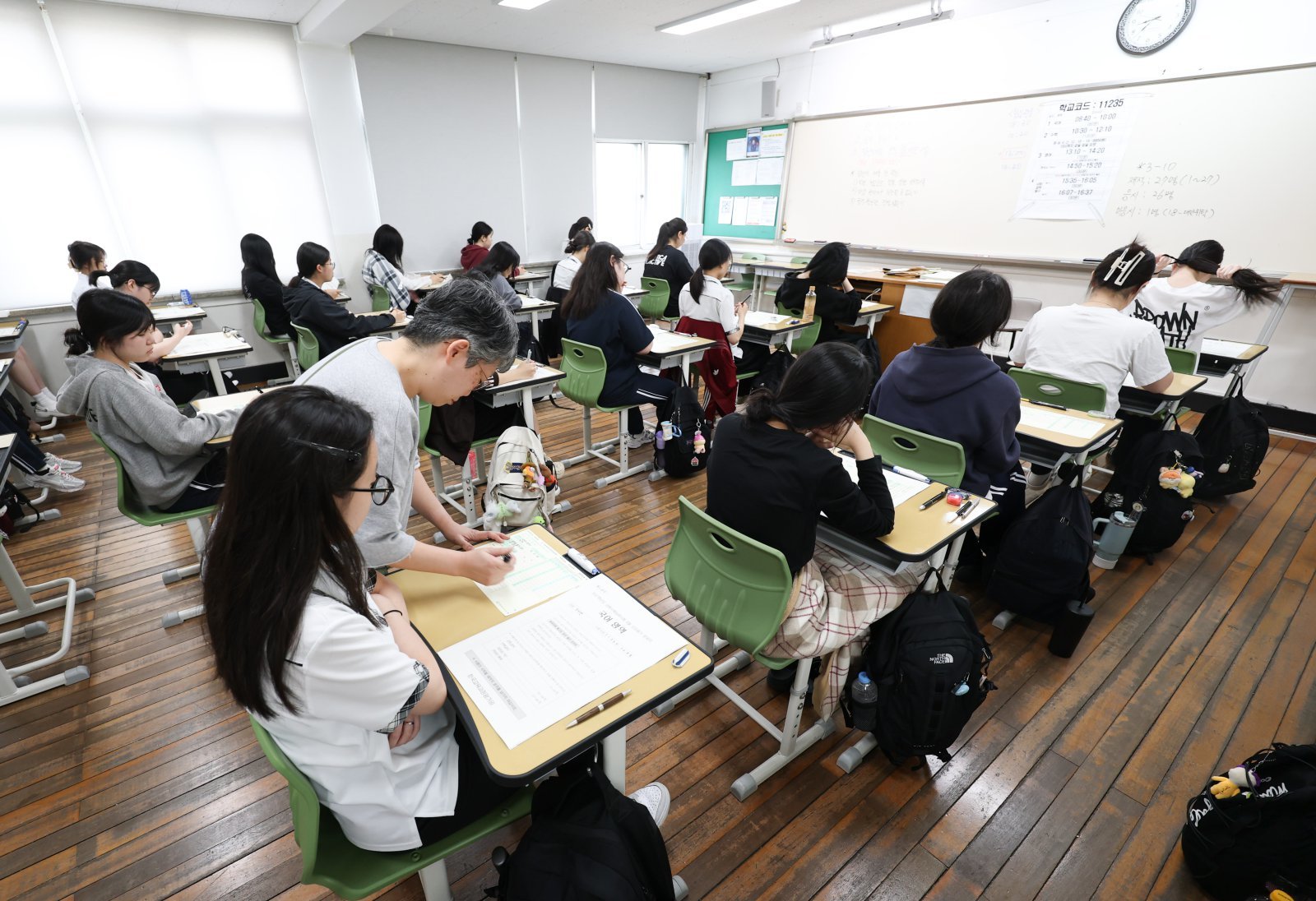
Specialized high schools' dominance wanes as SKY admissions hit 6-year low
Translated from Korean, summarized and contextualized by DistantNews.
At a glance
News
Sources not specified
Context piece
- The number of students admitted to SKY universities (Seoul National University, Korea University, Yonsei University) from specialized high schools has hit a six-year low.
- This decline is attributed to increased emphasis on regular admissions (including internal high school grades) and cross-application trends among humanities students.
- While admissions from gifted schools reached a high, those from science high schools, foreign language high schools, and autonomous private high schools decreased.
The era of specialized high schools dominating top university admissions appears to be waning, with the number of students admitted to Seoul National University, Korea University, and Yonsei University (collectively known as SKY) from specialized institutions reaching a six-year low for the 2026 academic year. Data analyzed by Jongro Academy reveals that only 3,252 students from specialized high schools gained admission, a significant decrease from the 3,768 recorded in the 2021 academic year.
Graduates from gifted schools are presumed to prefer Seoul National University's engineering and advanced technology departments over medical schools.
This trend marks a notable shift from previous years. While admissions from gifted schools saw their highest numbers, institutions like science high schools, foreign language high schools, international high schools, and autonomous private high schools experienced declines. Specifically, science high schools saw a 32.7% drop, foreign language and international high schools fell by 28.1%, and autonomous private high schools decreased by 5.7% compared to the 2021 academic year.
Experts suggest several factors are contributing to this change. The increased weight given to internal high school grades in regular admissions processes may disadvantage students from specialized schools, who often focus heavily on standardized tests. Additionally, the trend of science-track students applying for humanities programs and vice versa could have put students from foreign language and international high schools at a disadvantage in regular admissions.
The expansion of internal high school grade considerations in regular admissions may have put specialized high school students at a disadvantage.
Looking ahead, further shifts are anticipated. The introduction of a regional medical school admissions track in 2027 and the full implementation of a five-tier grading system and the high school credit system from 2028 are expected to alter the admissions landscape. Lim Sung-ho, CEO of Jongro Academy, noted that graduates from gifted schools might be increasingly favoring Seoul National University's engineering and advanced technology departments over medical schools, contributing to the changing dynamics.
With the introduction of the regional medical school admissions track in 2027 and the full application of the five-tier grading system and high school credit system from 2028, different patterns may emerge compared to the present.
DistantNews Editorial
Originally published by Dong-A Ilbo in Korean. Translated, summarized, and contextualized by our editorial team with added local perspective. Read our editorial standards.
More Stories


From Our Blog

What Gets Lost (and Found) When News Is Translated

The Critical Role of Diaspora Media in Global News

What Travellers Should Know About Countries with Restricted Press

A Digital Nomad's Guide to Following Local News

How the Same Story Looks Different in Different Countries
