

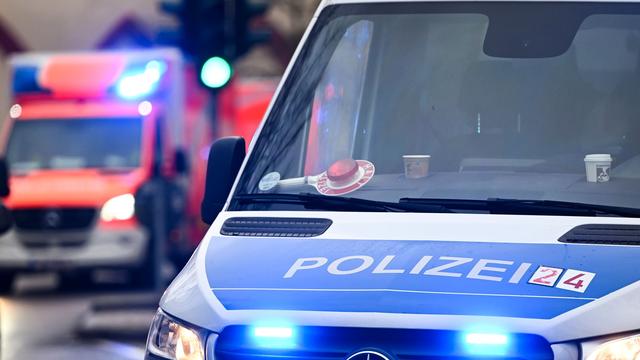

Speed-Camera Photo Helps Police Arrest Suspect After Dangerous Escape
Translated from German and summarized by DistantNews. Read the original for the full story.
At a glance
Newswire
Official statement
In the courts
- Police arrested a 19-year-old man in Wiesbaden who is suspected of attempting to kill two police officers during an August escape from a traffic stop.
- The suspect allegedly drove over pavements and a roundabout before heading toward two officers, who avoided being hit and fired a shot.
- A Limburg court ordered pretrial detention after the man was brought before a judge.
A speed-camera photograph helped police locate a 19-year-old man accused of driving directly toward two officers during a dangerous escape from a traffic stop.
Police and prosecutors in Limburg said the suspect was arrested late Friday in Wiesbaden. He appeared before a judge at Limburg Local Court on Saturday, and the court ordered him held in pretrial detention at the prosecutor’s request.
The case dates to Aug. 19, when a car carrying three people allegedly fled a traffic check in Limburg. Police said the vehicle had been stolen in Wiesbaden earlier that day and sped toward Limburg-Staffel.
According to police, the driver used pavements and a roundabout before reaching a dead end. When the car turned around, he allegedly drove toward two officers who had approached on foot. The officers avoided being struck by moving out of the way, and one of them fired a shot during the incident.
The driver escaped in an unknown direction. The officers were not injured. Investigators are now examining the 19-year-old’s suspected attempted killing of police officers.
About this summary
Originally published by Die Zeit in German. Translated, summarized, and contextualized automatically by DistantNews, with a note on how the source frames the story. Not individually reviewed before publishing. How this works.
More Stories


From Our Blog

What Gets Lost (and Found) When News Is Translated

How the Same Story Looks Different in Different Countries

The Critical Role of Diaspora Media in Global News

What Travellers Should Know About Countries with Restricted Press

A Digital Nomad's Guide to Following Local News
