

Split library launches mobile van project to serve vulnerable groups
Translated from Croatian, summarized and contextualized by DistantNews.
At a glance
News
Official statement
New plan
- The Split City Library "Marko Marulić" launched a project worth over 530,000 euros to acquire a mobile library van (bibliokombi).
- The project, co-funded by the European Social Fund Plus and the Croatian Ministry of Culture, aims to increase access to books and cultural content for vulnerable groups.
- The bibliokombi will serve children, youth, seniors, and people with disabilities in Split and the surrounding Split-Dalmatia County, extending services to areas lacking basic library facilities.
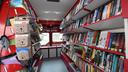
The Split City Library "Marko Marulić" has launched an ambitious project, "Za dobre vibre i dalje čitaj libre" (For good vibes, keep reading books), valued at 530,640 euros. This initiative will fund the acquisition of a specialized mobile library van, a "bibliokombi," to expand library services across Split and the wider Split-Dalmatia County.
The project's primary goal is to enhance access to library materials and cultural content, particularly for vulnerable populations in areas where basic library services are unavailable. This effort aims to combat social exclusion by bringing resources directly to those who might otherwise be unable to access them. The initiative is significantly supported by European funds, with 85% of the cost covered by the European Social Fund Plus, and the remaining 15% provided by the Croatian Ministry of Culture and the state budget.
If someone cannot come to the library for some reason, the library must come to them.
Running until July 14, 2029, the project will engage 152 participants, including young people up to 29 years old, individuals over 55, and persons with disabilities. Grozdana Ribičić, director of the Split City Library, emphasized the library's commitment to reaching its users. "If someone cannot come to the library for some reason, the library must come to them," she stated, highlighting the continuation of the bibliobus service initiated previously.
Libraries and cultural content are not a privilege; they are a public good.
Ribičić explained that the new bibliokombi is designed to serve vulnerable groups, including those with disabilities and limited mobility, complementing the existing bibliobus that serves rural areas. New stops will be established in various city districts and local communities within Split and surrounding towns and municipalities lacking library services. "Libraries and cultural content are not a privilege; they are a public good," Ribičić asserted, stressing the need for libraries to proactively engage with their communities.
Minister of Culture and Media Nina Obuljen Koržinek noted that this project aligns with the National Strategy for Reading Promotion and represents ongoing investment in library infrastructure. She mentioned that Croatia has facilitated the use of European funds for mobile libraries, leading to the procurement of over 30 bibliobuses nationwide. "What we are ensuring through the Bibliobus Service and the bibliokombi is democratization, decentralization, the opportunity for the book, but not just the book as a physical object, but the librarian who will offer it, recommend a book," the minister added.
What we are ensuring through the Bibliobus Service and the bibliokombi is democratization, decentralization, the opportunity for the book, but not just the book as a physical object, but the librarian who will offer it, recommend a book.
DistantNews Editorial
Originally published by Večernji List in Croatian. Translated, summarized, and contextualized by our editorial team with added local perspective. Read our editorial standards.
More Stories


From Our Blog

What Gets Lost (and Found) When News Is Translated

The Critical Role of Diaspora Media in Global News

What Travellers Should Know About Countries with Restricted Press

A Digital Nomad's Guide to Following Local News

How the Same Story Looks Different in Different Countries
