


Sprouted Potatoes: When Are They Safe to Eat?
Translated from Korean, summarized and contextualized by DistantNews.
At a glance
Explainer
Sources not specified
Context piece
- Sprouted potatoes are not always unsafe to eat, but caution is advised.
- Potatoes contain a natural toxin called glycoalkaloid, concentrated in sprouts, eyes, and green skin.
- If a potato is still firm and sprouts are small, removing affected parts may be safe, but severely changed potatoes should be discarded.
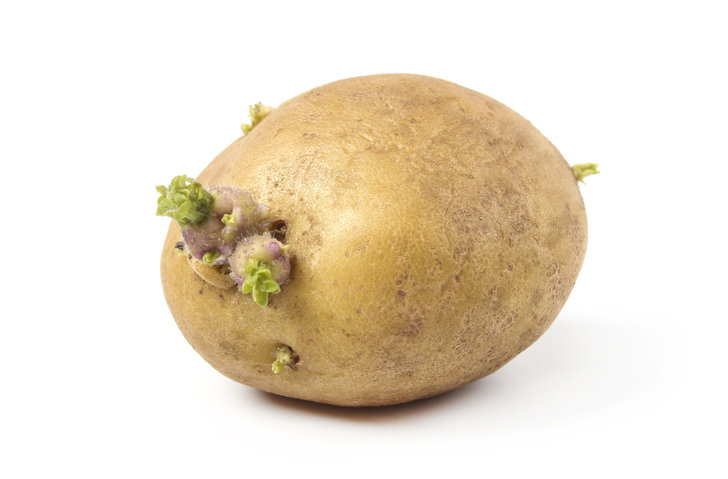
The common household dilemma of whether to discard potatoes with sprouts is not a simple yes or no answer, according to recent health fact-checks. While sprouted potatoes don't always need to be thrown away, understanding their condition is crucial for safe consumption.
Potatoes naturally contain a toxic compound called glycoalkaloid, with solanine and chaconine being the primary components. These toxins are present in small amounts throughout the potato but are highly concentrated in the sprouts, eyes, and any green parts of the skin. As potatoes begin to sprout, the concentration of these glycoalkaloids can increase significantly.
Consuming large amounts of glycoalkaloids can lead to gastrointestinal issues such as nausea, abdominal pain, vomiting, and diarrhea. In severe cases, neurological symptoms like headaches, dizziness, and confusion may occur. Research published in the 'Journal of Food Composition and Analysis' in 2024 indicated a higher glycoalkaloid content in potatoes with more extensive sprouting.
However, studies, including one in 'Potato Research' in 2022, suggest that if the sprouts, eyes, green skin, and damaged areas are thoroughly removed, the remaining flesh of the potato may not show significant toxic effects. This implies that the sprouts and green parts are the main concern, not necessarily the entire potato if the changes are minor.
Experts advise that if a potato is still firm, has only small sprouts, and limited green discoloration, it might be safe to eat after generously cutting away the affected areas. However, if the potato has become soft, shriveled, has large green patches, or shows green discoloration even in its flesh, it is best to discard it. A bitter or astringent taste after preparation is also a warning sign of high glycoalkaloid levels. Cooking methods like boiling or baking do not completely eliminate these toxins, making pre-cooking assessment essential.
DistantNews Editorial
Originally published by Dong-A Ilbo in Korean. Translated, summarized, and contextualized by our editorial team with added local perspective. Read our editorial standards.
More Stories



From Our Blog

What Gets Lost (and Found) When News Is Translated

The Critical Role of Diaspora Media in Global News

What Travellers Should Know About Countries with Restricted Press

A Digital Nomad's Guide to Following Local News

How the Same Story Looks Different in Different Countries
