

Sri Lanka Capable of Repaying Foreign Debt Without Issue for Next Decade, Central Bank Chief Says
Translated from Sinhala and summarized by DistantNews. Read the original for the full story.
At a glance
News
Sources not specified
Outcome reported
- Sri Lanka's Central Bank Governor, Dr. Nandalal Weerasinghe, stated the country can repay foreign debt for the next decade without issues.
- He cited successful debt restructuring, with annual payments below $4 billion, supported by growing foreign reserves.
- The economy is projected to grow between 4-5% this year, recovering from a past crisis, with inflation expected to return to target levels.
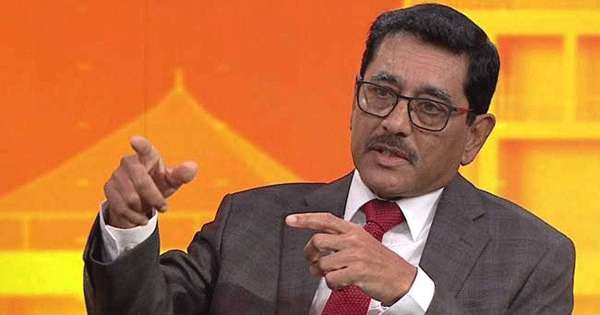
Sri Lanka possesses the capacity to meet its foreign debt obligations for the next ten years without encountering any difficulties, according to Central Bank Governor Dr. Nandalal Weerasinghe. He assured that the country would not face another default or debt crisis.
Weerasinghe explained that following the successful completion of its debt restructuring process, Sri Lanka's annual foreign debt payments for the upcoming decade will be less than $4 billion. The nation is building sufficient gross official reserves to manage these payments comfortably. Reserves are projected to reach $8 billion by the end of this year, boosted by tourism, remittances, and financial assistance from international bodies like the IMF, World Bank, and Asian Development Bank.
For the next 10 years, Sri Lanka has the capacity to repay its foreign debt without any problems.
Currently, gross official reserves stand at $6.8 billion and are expected to grow to $10 billion in subsequent years. This financial strengthening will enable Sri Lanka to manage its foreign debt payments, which are less than $4 billion annually, without issue. The governor noted that the Sri Lankan economy is returning to its pre-crisis strength, with a projected economic growth rate between 4% and 5% for the third consecutive year.
We will not face a situation of defaulting on debt repayment or facing a debt crisis again.
Despite global uncertainties like Middle Eastern conflicts affecting fuel prices and climate change, Sri Lanka anticipates achieving this economic growth. The first half of this year already saw a 5% economic growth rate. The nation's economic progress has garnered international recognition. Although inflation temporarily rose to 7% due to increased fuel and transport costs, the Central Bank's monetary policy measures are expected to bring it back to the target of 5% by early next year.
Furthermore, the current account is expected to record a surplus in the second half of this year, marking the third consecutive year of surplus. State revenue, as a percentage of GDP, has doubled to 16% from 8% in the 2021-2023 period. The primary surplus is also projected to exceed the IMF's target of 2.3% of GDP. Based on sustained current account surpluses and growth in tourism and remittance incomes, Weerasinghe stated that international rating agencies are expected to upgrade Sri Lanka's sovereign credit rating from 'CCC' to the pre-crisis 'B' level.
The annual foreign debt repayment amount for the next 10 years is less than US$4 billion.
About this summary
Originally published by Lankadeepa in Sinhala. Translated, summarized, and contextualized automatically by DistantNews, with a note on how the source frames the story. Not individually reviewed before publishing. How this works.
More Stories



From Our Blog

What Gets Lost (and Found) When News Is Translated

The Critical Role of Diaspora Media in Global News

What Travellers Should Know About Countries with Restricted Press

A Digital Nomad's Guide to Following Local News

How the Same Story Looks Different in Different Countries
