


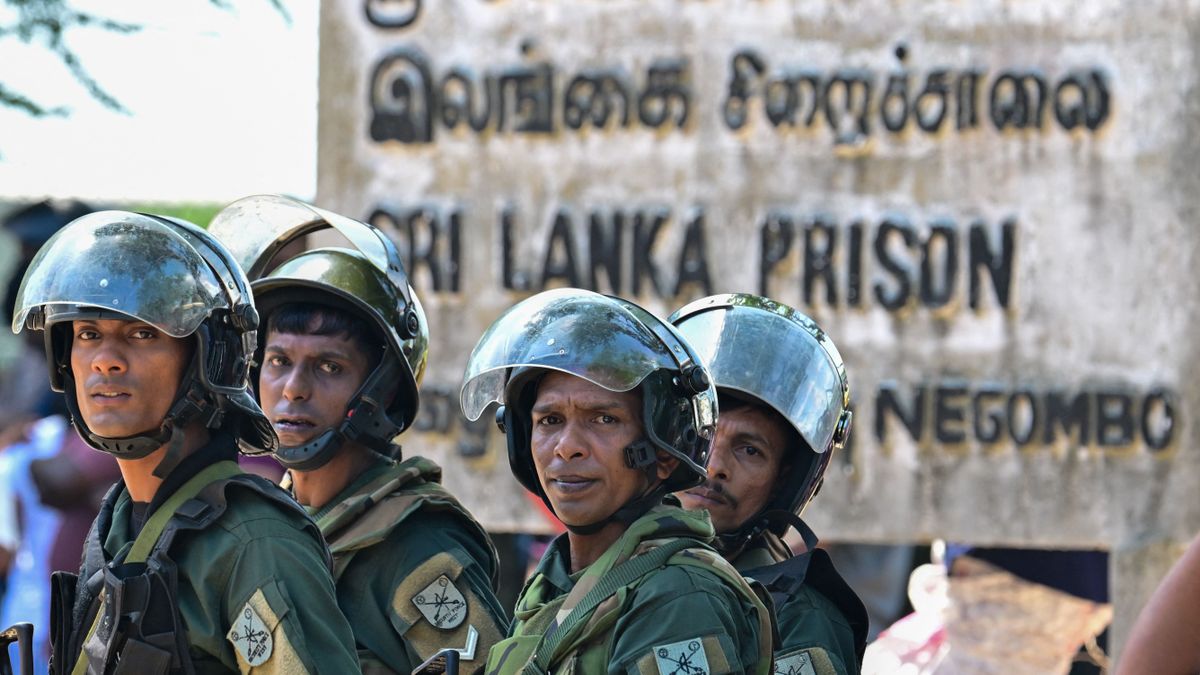
Sri Lanka faces rising crime amid ongoing economic and political instability
Translated from Hungarian, summarized and contextualized by DistantNews.
At a glance
News
Sources not specified
Context piece
- Sri Lanka has seen a surge in armed attacks and gang-related killings over the past year, particularly during crackdowns on drug trafficking.
- The country is grappling with the aftermath of a severe political and economic crisis that began in the early 2020s, leading to widespread protests and arrests.
- While the economy shows signs of recovery and Islamist terrorism has receded, concerns remain about the potential resurgence of the Tamil Tigers.
Sri Lanka is contending with a significant increase in armed violence and organized crime, with at least fifty individuals killed in gang-related shootings over the past year. This surge in violence has coincided with efforts to combat drug trafficking. The nation continues to grapple with the deep political and economic crisis that began in the early 2020s. This period saw widespread public protests against the government's economic policies and pervasive corruption, resulting in numerous arrests and political resignations. The economic downturn has been severe, though recent signs suggest a gradual recovery is underway. While the threat of Islamist terrorism has reportedly diminished, security concerns persist. Authorities are reportedly watchful for any signs of resurgence from the Tamil Tigers, a militant group previously active in the country. The ongoing instability and economic challenges have created a complex security landscape.
DistantNews Editorial
Originally published by Magyar Nemzet in Hungarian. Translated, summarized, and contextualized by our editorial team with added local perspective. Read our editorial standards.
More Stories
From Our Blog

Countries Without a Free Press: What You Need to Know

What Press Freedom Means for the News You Read

What Gets Lost (and Found) When News Is Translated

The Critical Role of Diaspora Media in Global News

What Travellers Should Know About Countries with Restricted Press
