



Sri Lanka launches first formal study of EPF and ETF in decades
Translated from Sinhala, summarized and contextualized by DistantNews.
At a glance
News
Sources not specified
New plan
- The Sri Lankan government is undertaking a formal study of the Employees' Provident Fund (EPF) and Employees' Trust Fund (ETF) for the first time in decades.
- The study aims to enhance the efficiency and member benefits of these retirement funds.
- Current data shows 22.9 million members in the EPF, with 3.1 million active accounts, and approximately 3 million in the ETF.
Sri Lanka's current government is initiating a comprehensive and formal study of the Employees' Provident Fund (EPF) and Employees' Trust Fund (ETF), a move unprecedented in the decades since their establishment. This initiative aims to significantly improve the efficiency of these retirement funds and enhance the benefits provided to their members.
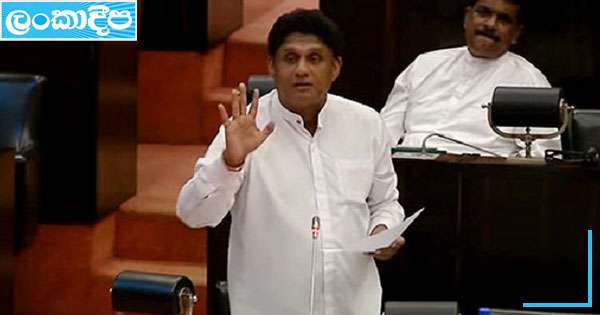
Mahinda Jayasinghe, Deputy Minister of Labour, announced in parliament that new measures are already being implemented through the Department of Labour to optimize the funds' performance. As of the latest data, the EPF has a total of 22.9 million registered members, with 3.1 million accounts actively receiving monthly contributions. The ETF, meanwhile, has a membership base of approximately three million individuals.
The current government has taken steps to conduct a formal study of the EPF and ETF, unlike any government in the decades since their establishment.
Jayasinghe also provided projections for the funds' asset values. By the end of 2025, the EPF's assets are expected to reach LKR 4.9 trillion (approximately $15 billion USD), while the ETF's assets are projected to be LKR 637.5 billion (approximately $1.9 billion USD).
The government's decision to conduct this in-depth study signals a commitment to modernizing the management of these crucial retirement savings schemes, ensuring they remain robust and beneficial for Sri Lanka's workforce.
New measures have already been initiated through the Department of Labour to enhance the efficiency and member benefits of the funds.
DistantNews Editorial
Originally published by Lankadeepa in Sinhala. Translated, summarized, and contextualized by our editorial team with added local perspective. Read our editorial standards.
More Stories


From Our Blog

What Gets Lost (and Found) When News Is Translated

The Critical Role of Diaspora Media in Global News

What Travellers Should Know About Countries with Restricted Press

A Digital Nomad's Guide to Following Local News

How the Same Story Looks Different in Different Countries
