


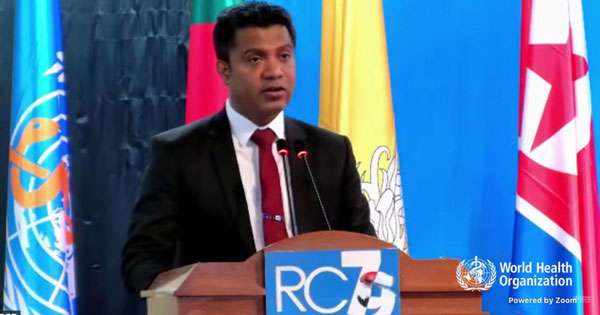

Sri Lanka may lose access to free vaccines after being classified as an upper-middle-income country
Translated from Sinhala and summarized by DistantNews. Read the original for the full story.
At a glance
News
Unnamed sources
New plan
- Sri Lanka may lose access to free or subsidized immunization vaccines after the World Bank classified it as an upper-middle-income country, sources said.
- The country may have to cover part of its immunization program costs from next year and all costs from 2028.
- Sri Lanka has received Gavi support for vaccines including hepatitis B, pentavalent, polio and HPV vaccines.
Sri Lanka may no longer qualify for free or subsidized vaccines after the World Bank classified it as an upper-middle-income country, sources told Lankadeepa. The change could force the country to cover part of its national immunization program costs from next year and the full cost from 2028.
The sources attributed the change to Sri Lanka’s higher income classification, which would make it ineligible for continued support from Gavi, the Vaccine Alliance. Gavi is an international public-private partnership that provides essential vaccines to people in low-income and developing countries and helps strengthen immunization programs.
Its support includes financing vaccine purchases, as well as assistance with storage and transport, health worker training and systems that deliver vaccines to children. Its stated core aim is to ensure equal access to life-saving vaccines for children.
Sri Lanka has worked with Gavi for many years. The alliance supported the introduction of hepatitis B, pentavalent, polio and human papillomavirus vaccines in the country.
About this summary
Originally published by Lankadeepa in Sinhala. Translated, summarized, and contextualized automatically by DistantNews, with a note on how the source frames the story. Not individually reviewed before publishing. How this works.
More Stories
From Our Blog

News in Translation: What Gets Lost, and How We Keep the Framing

Diaspora Media: How Communities Follow News From Home

Traveling Where the Press Is Not Free: How to Read the News There

The Digital Nomad's Guide to Local News

The Same Story, Different Countries: How Coverage Changes at the Border
