


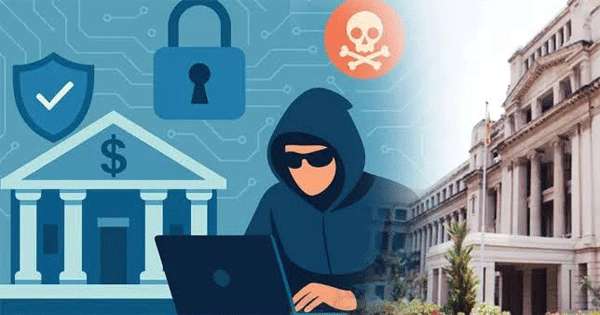
Sri Lanka Parliament Faces High Risk of Cyberattack, Audit Warns
Translated from Sinhala, summarized and contextualized by DistantNews.
At a glance
News
Official statement
Context piece
- Sri Lanka's Parliament faces a significant risk of unauthorized access to its digital systems, potentially leading to the theft of sensitive information, according to a national audit report.
- The Sri Lanka Computer Emergency Response Team (SRILANKA CERT) has warned parliamentary officials about the dangers of data breaches, operational disruptions, and reputational damage through website tampering.
- An assessment found 46 out of 56 cybersecurity issues in Parliament to be at a very high risk level, highlighting urgent needs for improvement.
Sri Lanka's Parliament is vulnerable to cyberattacks, with a high risk of sensitive data theft and operational disruption, a recent national audit report reveals. The Sri Lanka Computer Emergency Response Team (SRILANKA CERT) has alerted parliamentary leadership to these critical cybersecurity threats.
The audit highlights that unauthorized access could compromise sensitive information and damage the institution's reputation through website content manipulation. SRILANKA CERT's assessment of Parliament's digital systems identified 56 potential issues, with a staggering 46 classified as posing a very high risk.
There is a risk of unauthorized access to the digital systems of Parliament and the theft of sensitive information.
SRILANKA CERT, the nation's primary cybersecurity center, is responsible for combating cyber threats and resolving network security incidents. The audit, included in Parliament's 2025 annual performance report, flags these vulnerabilities under the heading of management weaknesses. A parliamentary official acknowledged the risks and stated that measures are already being implemented to prevent such incidents.
We have already taken various measures to prevent such risks.
DistantNews Editorial
Originally published by Lankadeepa in Sinhala. Translated, summarized, and contextualized by our editorial team with added local perspective. Read our editorial standards.
More Stories


From Our Blog

What Gets Lost (and Found) When News Is Translated

The Critical Role of Diaspora Media in Global News

What Travellers Should Know About Countries with Restricted Press

A Digital Nomad's Guide to Following Local News

How the Same Story Looks Different in Different Countries
