


Sri Lanka's UNP: Government Lacks Power to Establish Religious Court
Translated from Sinhala and summarized by DistantNews. Read the original for the full story.
At a glance
News
Sources not specified
Context piece
- The United National Party (UNP) stated the government lacks the authority to establish a "Dharmadhikarana" (religious court).
- The UNP argued that the constitution does not grant the executive, legislature, or judiciary the power to interpret Buddhist doctrine.
- The party criticized President Anura Kumara Dissanayake's public agreement to historical actions taken by kings against the clergy, questioning the ethical implications given the ruling party's history.
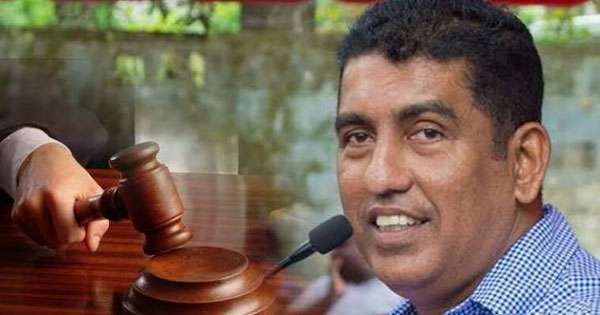
The United National Party (UNP) has issued a statement asserting that the current government does not possess the authority to establish a "Dharmadhikarana," a religious court. The party contends that the constitution does not empower the executive, legislative, or judicial branches to interpret Buddhist doctrine.
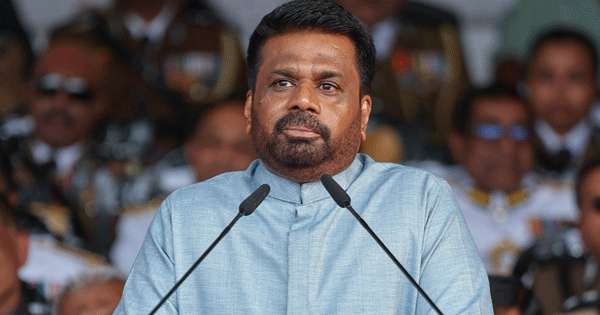
This statement comes in response to President Anura Kumara Dissanayake's recent public agreement with a call to emulate the actions of past kings who intervened in religious matters. The UNP's statement highlighted that some historical kings had even ordered the killing of monks, an act considered a grave sin in Buddhism after shedding the blood of the Buddha. The party questioned the morality of the President accepting such a call, especially given the history of violence associated with the Janatha Vimukthi Peramuna (JVP), the President's party.
The UNP further criticized the JVP's historical stance on Buddhism, stating the party has never prioritized Buddhism politically and has often acted against it. This raises a significant question, according to the UNP: can a party with a history of violence against monks effectively govern and implement such measures? The UNP also questioned the hidden motives behind this proposal.
The statement referenced historical precedents, including provisions made by J.R. Jayewardene in the 1978 constitution to establish a Sangha Tribunal for addressing disciplinary issues among monks. It also criticized the government's handling of the Sinhala and Tamil New Year and Vesak Day, suggesting a disruption of traditional observances. While not opposing action against errant monks, the UNP stressed the need to follow established procedures, including consulting the Maha Sangha before making decisions. They also pointed out that bringing monks before secular courts is not unprecedented, citing historical examples.
About this summary
Originally published by Lankadeepa in Sinhala. Translated, summarized, and contextualized automatically by DistantNews, with a note on how the source frames the story. Not individually reviewed before publishing. How this works.
More Stories
From Our Blog

News in Translation: What Gets Lost, and How We Keep the Framing

Diaspora Media: How Communities Abroad Follow Home

Traveling Where the Press Is Not Free: How to Read the News There

The Digital Nomad's Guide to Local News

The Same Story, Different Countries: How Coverage Changes at the Border
