


Sri Lankan Customs Failed to Collect Nearly 57.6 Billion Rupees in VAT on Vehicles in 2025
Translated from Sinhala and summarized by DistantNews. Read the original for the full story.
At a glance
News
Documents & data
Context piece
- Sri Lanka’s National Audit Office said Customs had failed to collect nearly 57.6 billion rupees in VAT by the end of 2025 on vehicles assembled and released from six warehouses.
- The vehicles carried an estimated total VAT liability of about 178.8 billion rupees.
- The audit also found that 1,051 containers of perishable goods, including 393 held for more than five years, had not been sold or otherwise handled promptly.
Sri Lanka’s National Audit Office says Customs had not collected nearly 57.6 billion rupees in VAT by the end of 2025 on vehicles assembled and released from six customs warehouses. The vehicles represented about 178.8 billion rupees in VAT obligations.
The audit office said Customs had released 94,941 vehicles into the market. Under Section 84A(1) of the Customs Ordinance, goods manufactured or assembled in a warehouse must be treated as imported when released, with duties calculated and paid at that stage.
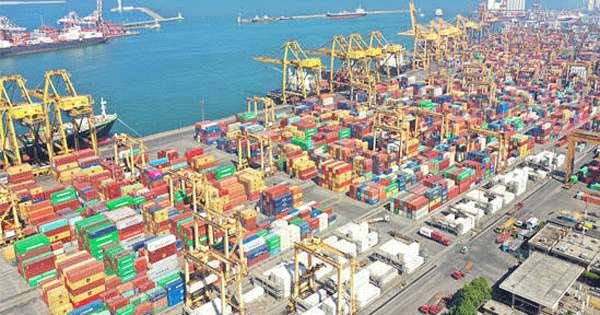
The audit also identified delays involving goods seized for various reasons and held in Customs yards. Authorities had not arranged the sale of 1,051 containers containing perishable goods, including 393 containers that had been held for more than five years.
The report said the 1,869 detained containers should have been handled appropriately as soon as possible under Sections 135 and 162 of Customs Ordinance No. 17 of 1869. It specifically required perishable goods to be sold. The audit described the failure to act as an irregular transaction.
The findings appear in the audit report included in Sri Lanka Customs’ 2025 annual report.
About this summary
Originally published by Lankadeepa in Sinhala. Translated, summarized, and contextualized automatically by DistantNews, with a note on how the source frames the story. Not individually reviewed before publishing. How this works.
More Stories



From Our Blog

What Gets Lost (and Found) When News Is Translated

The Critical Role of Diaspora Media in Global News

What Travellers Should Know About Countries with Restricted Press

A Digital Nomad's Guide to Following Local News

How the Same Story Looks Different in Different Countries
