


State electricity markets risk losing investors without harmonised regulations – FCCPC
Summarized and contextualized by DistantNews.
At a glance
News
Named sources
New plan
- Nigeria's emerging state electricity markets risk attracting less investment due to potentially inconsistent regulations.
- The Federal Competition and Consumer Protection Commission (FCCPC) warns that differing state frameworks could deter investors and complicate compliance.
- Harmonized regulations and cooperation among regulators are crucial for consumer protection and investor certainty following the Electricity Act 2023.
Nigeria's nascent state electricity markets could face significant challenges in attracting investment if individual states adopt divergent regulatory frameworks, the Federal Competition and Consumer Protection Commission (FCCPC) has warned. The commission stressed the urgent need for enhanced cooperation among electricity regulators to safeguard consumers and provide a stable environment for investors.
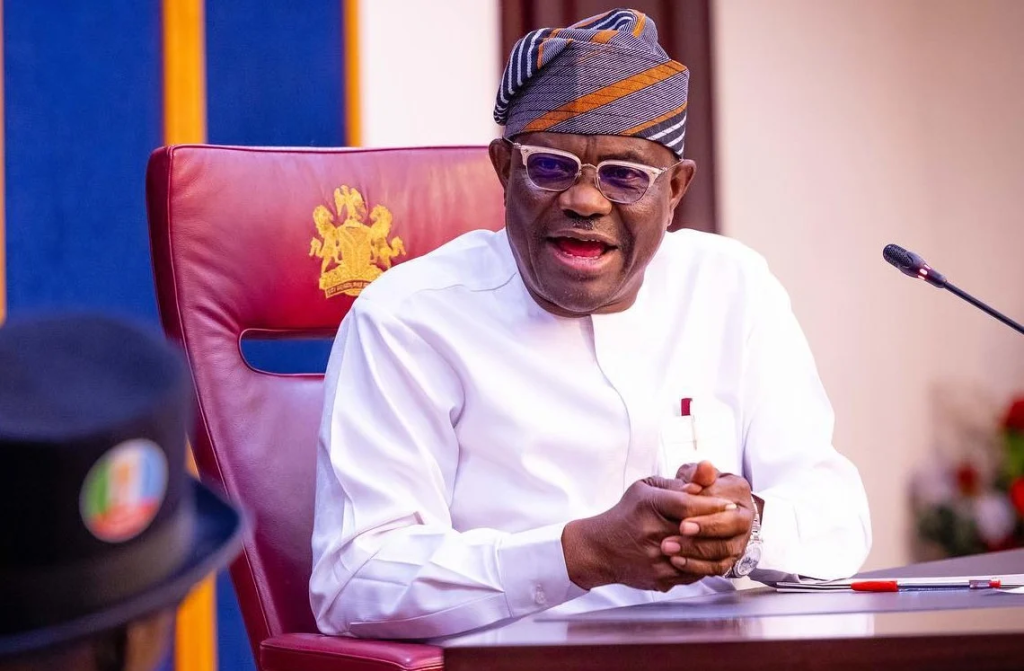
Tunji Bello, Executive Vice Chairman and CEO of the FCCPC, issued this warning during a stakeholder engagement in Abuja focused on consumer protection and regulatory collaboration within Nigeria's electricity sector. The meeting convened officials from the Nigerian Electricity Regulatory Commission (NERC), the Nigerian Electricity Management Services Agency (NEMSA), and various state electricity regulatory commissions. This gathering follows the decentralization of electricity regulation under the Electricity Act of 2023, which ended decades of federal control and empowered states to establish and manage their own electricity markets.
Since the Act's passage, several states, including Lagos, Enugu, Plateau, and Anambra, have moved to create their own electricity regulatory commissions, aiming to improve power supply and draw private investment. However, stakeholders have consistently voiced concerns that regulatory inconsistencies across states could deter investment, inflate compliance costs for businesses, and lead to unequal levels of consumer protection.
The Electricity Act of 2023 represents one of the most significant reforms of Nigeria’s electricity sector in recent years. Beyond creating new opportunities for investment and improved service delivery, it has fundamentally reshaped our regulatory architecture.
Bello described the Electricity Act 2023 as a landmark reform for Nigeria's power sector, emphasizing that its success hinges on effective collaboration between federal and state regulators. He noted that while states now possess greater autonomy to tailor regulations to local conditions, consumers must receive uniform protection regardless of their location. "Consumers experience electricity as one system," Bello stated. "When supply is interrupted, or a bill appears incorrect, they are not concerned about which regulator has jurisdiction. They simply expect protection, ensuring that our institutions work seamlessly together in our responsibility and not theirs."
The FCCPC's warning underscores the delicate balance required as Nigeria navigates this new era of electricity sector governance. Ensuring a cohesive regulatory landscape is vital not only for attracting the substantial investment needed to modernize the grid but also for building consumer trust and ensuring equitable service delivery across the nation.
Consumers experience electricity as one system. When supply is interrupted, or a bill appears incorrect, they are not concerned about which regulator has jurisdiction. They simply expect protection, ensuring that our institutions work seamlessly together in our responsibility and not theirs.
DistantNews Editorial
Originally published by Premium Times. Summarized and contextualized by our editorial team with added local perspective. Read our editorial standards.
More Stories


From Our Blog

How the Same Story Looks Different in Different Countries

What Gets Lost (and Found) When News Is Translated

The Critical Role of Diaspora Media in Global News

What Travellers Should Know About Countries with Restricted Press

A Digital Nomad's Guide to Following Local News
