


State Modernization in Rhineland-Palatinate: Aiming for Simpler Bureaucracy
Translated from German, summarized and contextualized by DistantNews.
At a glance
News
Named sources
New plan
- Rhineland-Palatinate's Finance Minister Doris Ahnen is spearheading a state modernization initiative to simplify government interactions.
- Starting July 2027, citizens and businesses will largely be able to communicate with authorities via email, eliminating the need for signed documents and certified copies in most cases.
- The initiative aims to reduce bureaucracy, streamline processes, and implement a 'once only' principle for data submission, requiring information to be provided only once to any authority.
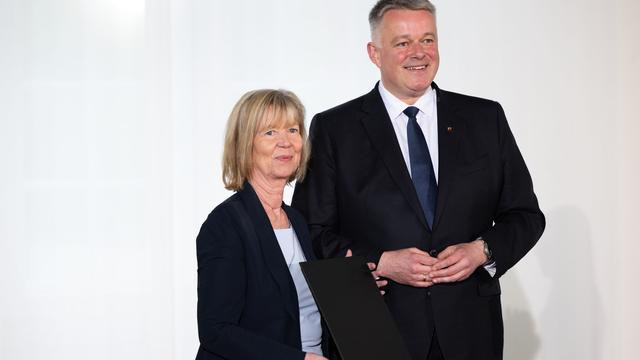
Rhineland-Palatinate's Finance Minister Doris Ahnen is driving a state modernization effort aimed at making government services more accessible and efficient for citizens and businesses. The initiative, a key focus outlined in the coalition agreement, seeks to simplify interactions with state authorities and strengthen public trust in democracy.
We want to make it as easy as possible for the economy, companies, citizens, and residents.
"We want to make it as easy as possible for the economy, companies, citizens, and residents," Ahnen stated in an interview with the German Press Agency. She emphasized that the public should notice significant improvements during the current legislative period. The core of the modernization lies in simplifying administrative procedures and reducing the burden of paperwork.
The people should notice this clearly during this legislative period.
A major change is planned for July 2027, when the administrative procedure law will allow for electronic communication to suffice for most official correspondence. "A simple email will be enough; a printed document with a signature will generally no longer be necessary," Ahnen explained. Similarly, the requirement for certified copies of original documents will be significantly reduced, with exceptions only for specific cases like property sales.
A simple email will be enough; a printed document with a signature will generally no longer be necessary.
The initiative also embraces the 'once only' principle, where individuals and businesses will only need to submit their information and data to one authority. Other government bodies can then access this shared data, minimizing repetitive form-filling and administrative work. Ahnen highlighted that reducing regular evaluations and reports is also a goal. The minister plans an intensive dialogue phase with municipalities, businesses, unions, and organizations starting in September/October to gather input and identify areas for improvement, including simplifying funding application processes.
This means that people and companies provide information and data only once to an authority, and other authorities can then also use this data.
DistantNews Editorial
Originally published by Die Zeit in German. Translated, summarized, and contextualized by our editorial team with added local perspective. Read our editorial standards.
More Stories


From Our Blog

What Gets Lost (and Found) When News Is Translated

How the Same Story Looks Different in Different Countries

The Critical Role of Diaspora Media in Global News

What Travellers Should Know About Countries with Restricted Press

A Digital Nomad's Guide to Following Local News
