


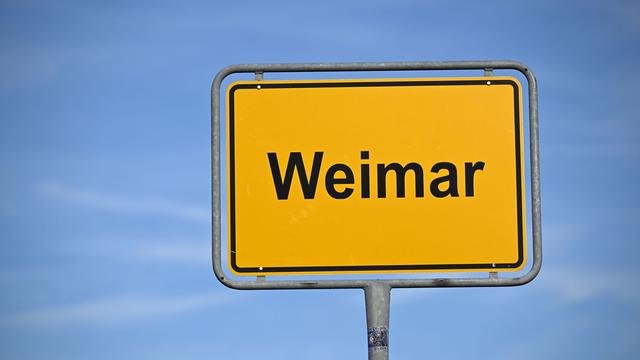
Stiftung Genshagen Receives Weimar Triangle Prize for Youth Project
Translated from German and summarized by DistantNews. Read the original for the full story.
At a glance
News
From a news agency
Outcome reported
- Stiftung Genshagen received the Weimar Triangle Prize for its youth laboratory project 'KulturPass'.
- The project brings together young people from Germany, France, and Poland to develop solutions for cultural participation.
- The award ceremony coincided with the 35th anniversary of the Weimar Triangle, emphasizing cooperation and understanding.
Stiftung Genshagen has been honored with the Weimar Triangle Prize for its exemplary youth laboratory project, 'KulturPass.' This initiative fosters collaboration and cultural exchange among young individuals from Germany, France, and Poland, embodying the spirit of the Weimar Triangle.
Dieter Hackmann, chairman of the Weimar Triangle Association, stated that the 'KulturPass' project exemplifies what the Weimar Triangle stands for. He highlighted how young people from the three nations meet on equal footing to collaboratively develop concrete European solutions. Hackmann emphasized that this award, especially in the anniversary year, sends a strong signal for a vibrant and future-oriented Weimar Triangle.
The project, which took place last March, brought together 21 young people aged 18 to 25 from Germany, Poland, and France. Their focus was on improving cultural participation and easing access to art and culture for young people. Based on existing 'KulturPass' models, they developed specific recommendations.
The award ceremony was part of the 35th-anniversary celebration of the Weimar Triangle, held at the Weimarhalle. Thuringia's Minister President Mario Voigt (CDU) noted that the Weimar Triangle has represented understanding and cooperation among the three countries for 35 years. He praised its unique strength in combining political dialogue with civil society engagement, expressing pride in celebrating shared history while looking toward the future.
About this summary
Originally published by Die Zeit in German. Translated, summarized, and contextualized automatically by DistantNews, with a note on how the source frames the story. Not individually reviewed before publishing. How this works.
More Stories


From Our Blog

What Gets Lost (and Found) When News Is Translated

How the Same Story Looks Different in Different Countries

The Critical Role of Diaspora Media in Global News

What Travellers Should Know About Countries with Restricted Press

A Digital Nomad's Guide to Following Local News
