

/s3/static.nrc.nl/wp-content/uploads/2026/08/26160106/260826ECO_2036201096_gasvoorraadDragend.jpg)
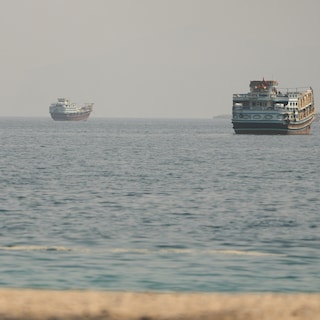
Strait of Hormuz Blockade Causes Largest Oil Price Surge Since 1990 Gulf War
Translated from Dutch and summarized by DistantNews. Read the original for the full story.
At a glance
News
Sources not specified
Ongoing story
- A blockade of the Strait of Hormuz has triggered a significant increase in oil prices.
- The surge in oil prices is the largest recorded since the 1990 Gulf War.
- The event has major implications for global energy markets and geopolitical stability.
The strategic Strait of Hormuz has become the focal point of a major geopolitical crisis, as a blockade has sent oil prices soaring to levels not seen since the 1990 Gulf War. This dramatic escalation in energy costs signals a significant disruption to global supply chains and raises serious concerns about international stability.
The implications of this blockade are far-reaching, impacting economies worldwide that rely on the steady flow of oil through this critical chokepoint. The surge in prices is expected to fuel inflation, potentially leading to broader economic slowdowns and increased costs for consumers.
Analysts are closely monitoring the situation, assessing the duration and severity of the blockade, as well as the potential for military or diplomatic interventions. The event underscores the vulnerability of global energy markets to geopolitical tensions and the critical role of maritime security in maintaining economic equilibrium.
Further details regarding the entities involved in the blockade and the specific triggers for this action remain under scrutiny. However, the immediate economic shockwaves are undeniable, with governments and industries scrambling to mitigate the impact of the unprecedented rise in oil prices.
About this summary
Originally published by De Volkskrant in Dutch. Translated, summarized, and contextualized automatically by DistantNews, with a note on how the source frames the story. Not individually reviewed before publishing. How this works.
More Stories
/s3/static.nrc.nl/wp-content/uploads/2026/08/18115617/ECO_2035858493_adnoc.jpg)
/s3/static.nrc.nl/wp-content/uploads/2026/08/14093010/210826OPI_2035934227_Economist_-US-Saudi-nuclear-deal.jpg)
From Our Blog

What Gets Lost (and Found) When News Is Translated

The Critical Role of Diaspora Media in Global News

What Travellers Should Know About Countries with Restricted Press

A Digital Nomad's Guide to Following Local News

How the Same Story Looks Different in Different Countries
