


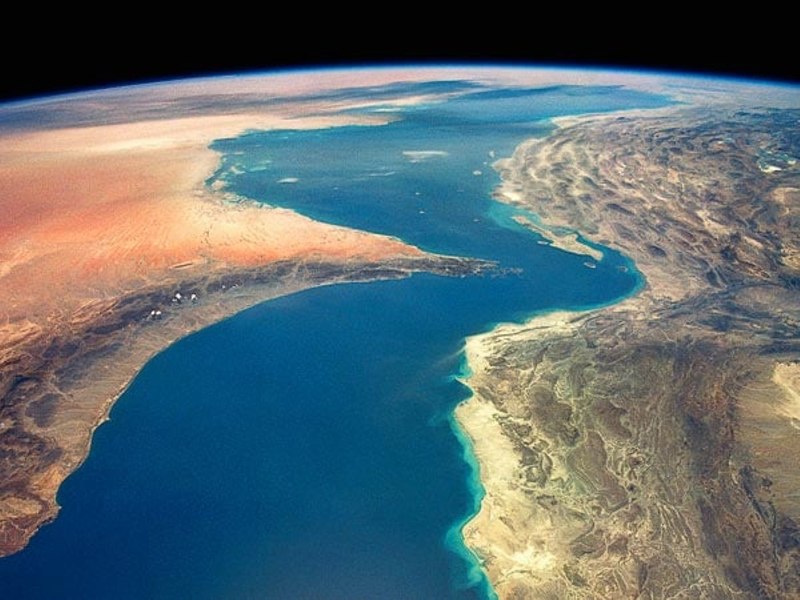
Strait of Hormuz tensions keep oil prices and inflation risks high
Translated from Romanian, summarized and contextualized by DistantNews.
At a glance
News
Sources not specified
Context piece
- Brent crude oil prices surpassed $90 per barrel, reaching nearly $92, due to incidents on shipping routes and uncertainty surrounding the Strait of Hormuz.
- The US Energy Information Administration forecasts continued severe restrictions on Strait of Hormuz transit through August, with regional production recovery expected by early 2027.
- Romania faces prolonged high fuel prices and inflation, with the National Bank of Romania revising its 2026 macroeconomic forecast to be less favorable.
Brent crude oil prices have climbed above $90 per barrel, settling near $92 and marking a nearly four-week high. This surge is driven by incidents along key shipping routes and persistent uncertainty surrounding the Strait of Hormuz, a critical chokepoint for global oil transport.
The US Energy Information Administration's latest report indicates that severe transit restrictions through the Strait of Hormuz are expected to continue throughout August. While regional production is projected to recover to pre-conflict levels by early 2027, a disruption of approximately 600,000 barrels per day is anticipated to persist until the end of next year.
For Romania, this could mean that we will face high fuel prices for a longer period of time. And this will lead to the persistence of high inflation.
In this revised scenario, the average Brent crude price is forecast at around $85 per barrel for the third quarter of 2026, gradually decreasing to an average of $69 per barrel in 2027. This outlook assumes a gradual return to normalcy for affected production and supply chains.
In this scenario, the average price of Brent crude oil is expected to be around $85 per barrel in the third quarter of 2026, before gradually falling to an average of $69 per barrel in 2027, as inventories are replenished and most of the affected production returns to normal by the beginning of next year.
For Romania, these developments translate into a prolonged period of high fuel prices, which will sustain elevated inflation. Fuel inflation in Romania had already accelerated significantly, reaching nearly 17% in July 2026, closely mirroring the impact of the Middle East conflict.
The National Bank of Romania, in its recent inflation report, acknowledged that while international institutions anticipate a gradual normalization of transit through the Strait of Hormuz and a subsequent drop in energy prices, this scenario remains vulnerable. Escalating conflict, prolonged logistical disruptions, or a slow recovery in production and refining capacities could extend the energy shock's impact, leading to a less favorable macroeconomic performance for Romania in 2026.
Although major international institutions expect transit through the Strait of Hormuz to gradually normalize and lead to a decrease in energy prices, this scenario remains vulnerable.
DistantNews Editorial
Originally published by Adevărul in Romanian. Translated, summarized, and contextualized by our editorial team with added local perspective. Read our editorial standards.
More Stories



From Our Blog

What Gets Lost (and Found) When News Is Translated

The Critical Role of Diaspora Media in Global News

What Travellers Should Know About Countries with Restricted Press

A Digital Nomad's Guide to Following Local News

How the Same Story Looks Different in Different Countries
