

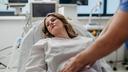

Stroke remains a leading cause of death in Croatia; experts urge awareness and action
Translated from Croatian, summarized and contextualized by DistantNews.
At a glance
News
Official statement
Context piece
- Cerebrovascular diseases were the third leading cause of death in Croatia in 2024, claiming 3,656 lives, with a slightly higher mortality rate among women.
- Stroke, a sudden neurological event caused by disrupted blood flow to the brain, leads to cell damage and functional loss.
- Key risk factors include high blood pressure, inactivity, poor diet, smoking, and stress, but timely recognition of symptoms like sudden numbness, speech difficulties, or severe headache is crucial for immediate emergency response.
Cerebrovascular diseases, primarily stroke, remain a significant cause of mortality in Croatia, accounting for 3,656 deaths in 2024 and representing 7.2% of all fatalities. The data from the Croatian Institute of Public Health (HZJZ) indicates a slightly higher impact on women, who constituted 7.9% of female deaths compared to 6.4% for men.
These conditions arise from a sudden disruption in the brain's blood supply, leading to oxygen and nutrient deprivation. This lack of vital elements causes nerve cell damage and death, resulting in the loss of functions controlled by the affected brain regions. The Croatian Day of Stroke, observed on June 21, aims to raise public awareness about the seriousness of the disease and emphasize the importance of prevention and early symptom recognition.
Factors contributing to stroke risk are numerous and include elevated blood pressure, physical inactivity, unhealthy eating habits, obesity, atrial fibrillation, smoking, excessive alcohol consumption, high cholesterol, diabetes, and mental health issues like depression and stress. While age, sex, and family history are unchangeable risk factors, HZJZ stresses that many of the primary causes are modifiable.
Experts consistently urge individuals to regularly monitor their blood pressure, blood sugar, and cholesterol levels. Maintaining a healthy weight, engaging in regular physical activity, quitting smoking, and limiting intake of salt, sugar, and alcohol are vital preventive measures. Equally important is the prompt identification of sudden symptoms, such as facial or limb numbness or weakness, speech and vision disturbances, dizziness, unsteadiness, or a sudden, severe headache. Immediate medical attention is critical upon the appearance of any of these signs.
HZJZ also highlights the importance of early rehabilitation, which, according to WHO guidelines, should commence as soon as a patient is stabilized, ideally within the first few days post-stroke. This timely intervention is crucial for recovery and minimizing long-term disability.
By observing this day, we strive to educate citizens about risk factors, the importance of healthy lifestyles, and the need for immediate action when symptoms appear.
DistantNews Editorial
Originally published by Večernji List in Croatian. Translated, summarized, and contextualized by our editorial team with added local perspective. Read our editorial standards.
More Stories



From Our Blog

What Gets Lost (and Found) When News Is Translated

The Critical Role of Diaspora Media in Global News

What Travellers Should Know About Countries with Restricted Press

A Digital Nomad's Guide to Following Local News

How the Same Story Looks Different in Different Countries
