


Strong family ties boost quality of life for cancer caregivers
Translated from Korean, summarized and contextualized by DistantNews.
At a glance
News
Sources not specified
Outcome reported
- A study found that strong family relationships improve the quality of life for caregivers of terminally ill cancer patients.
- The research identified family conflict as a key factor negatively impacting caregivers' well-being.
- The findings suggest that assessing family dynamics can help identify high-risk caregivers needing early support.
A recent study indicates that robust family relationships significantly enhance the quality of life for individuals caring for terminally ill cancer patients. The research, conducted by a joint team from Korea University Guro Hospital, Gachon University Gil Hospital, and the National Cancer Center, explored factors influencing the well-being of family caregivers.
Family caregivers play a crucial role in the treatment and care of advanced cancer patients. However, the prolonged nature of this care often leads to substantial physical and mental strain, diminishing their quality of life. This caregiver burden can, in turn, affect the quality of patient care, communication with medical teams, and treatment decisions, underscoring the importance of early assessment and support.
The result that people with good family relationships have a high quality of life is somewhat predictable.
The study involved 170 family caregivers from nine hospice wards across South Korea between September 2021 and March 2024. Using the Family Relationship Assessment Scale (FRAS) to evaluate family support, conflict, and intimacy, and the Korean version of the Caregiver Quality of Life Index (CQOLC-K) to measure caregiving burden and adaptation, the researchers analyzed the data.
The key to this study is confirming the possibility of early screening for family caregivers who are at high risk of future caregiving burden and decreased quality of life through family relationship assessment alone.
Results showed a clear correlation: the better the family relationships, the higher the caregiver's quality of life. Family conflict emerged as the factor most closely linked to a decline in quality of life, while family support acted as a protective element, improving adaptation to the caregiving situation. These effects were particularly pronounced among younger caregivers, those unemployed, individuals with low social support or resilience, and those dissatisfied with care services.
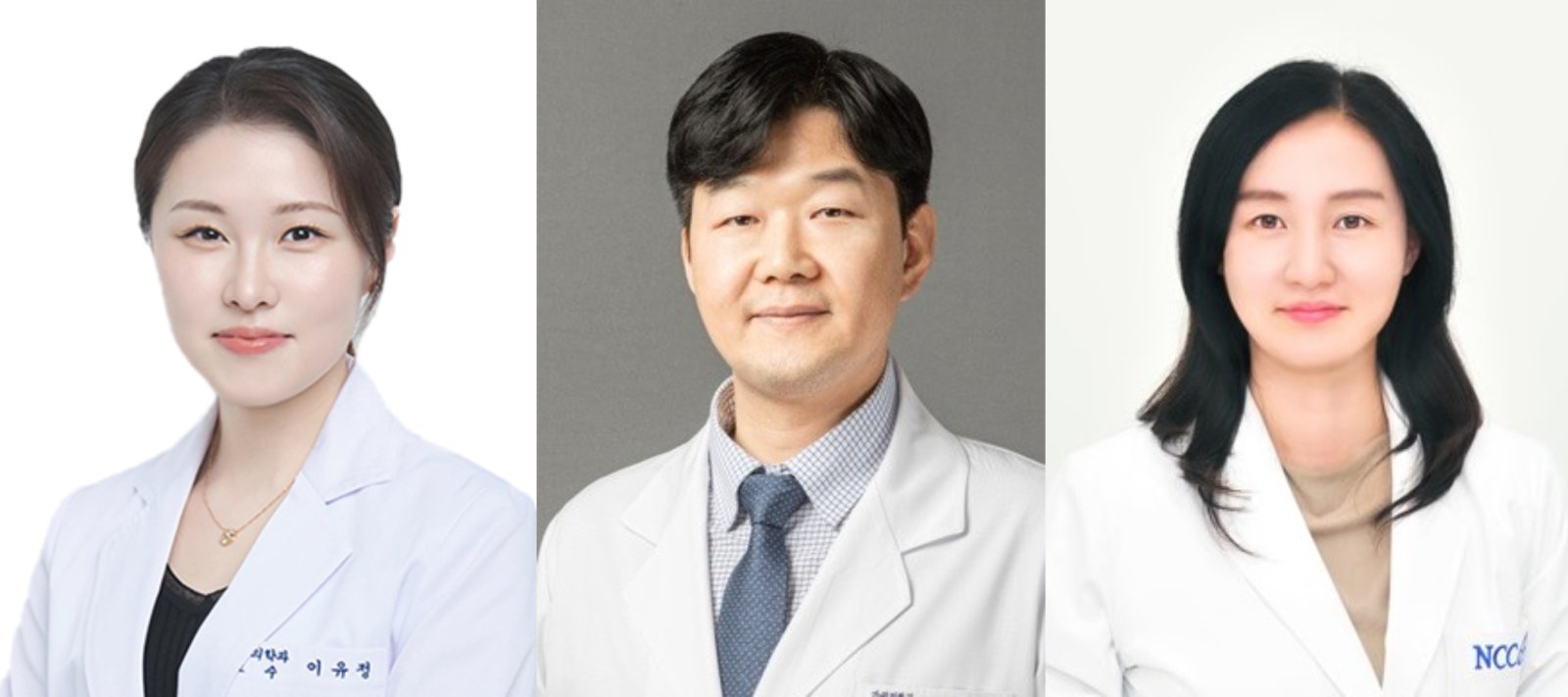
Researchers believe these findings offer a pathway to proactively identify caregivers facing significant psychological and social challenges. They emphasize that interventions such as counseling, family meetings, and social work referrals are crucial when family conflict is identified. For those lacking adequate family support, tailored approaches involving care resources and emotional support can be implemented. Lee Yu-jeong, a professor at Korea University Guro Hospital, highlighted the study's key contribution: demonstrating that family relationship assessments alone can predict future caregiving burdens and risks to quality of life, enabling early intervention.
We expect that providing interventions such as counseling, education, and social welfare resource linkage to vulnerable families identified early will help reduce the burden on family caregivers and improve their quality of life.
DistantNews Editorial
Originally published by Dong-A Ilbo in Korean. Translated, summarized, and contextualized by our editorial team with added local perspective. Read our editorial standards.
More Stories


From Our Blog

What Gets Lost (and Found) When News Is Translated

The Critical Role of Diaspora Media in Global News

What Travellers Should Know About Countries with Restricted Press

A Digital Nomad's Guide to Following Local News

How the Same Story Looks Different in Different Countries
