

Students to co-design children's museum at Museum of Ethnography
Translated from Hungarian, summarized and contextualized by DistantNews.
At a glance
News
Sources not specified
New plan
- Students will participate as co-designers in the creation of a children's museum at the Museum of Ethnography.
- The program utilizes the Arkki methodology, previously applied in international projects like UNICEF's child-friendly city initiative.
- The six-month course runs from September 2026 to January 2027, with a subsidized fee for participants.
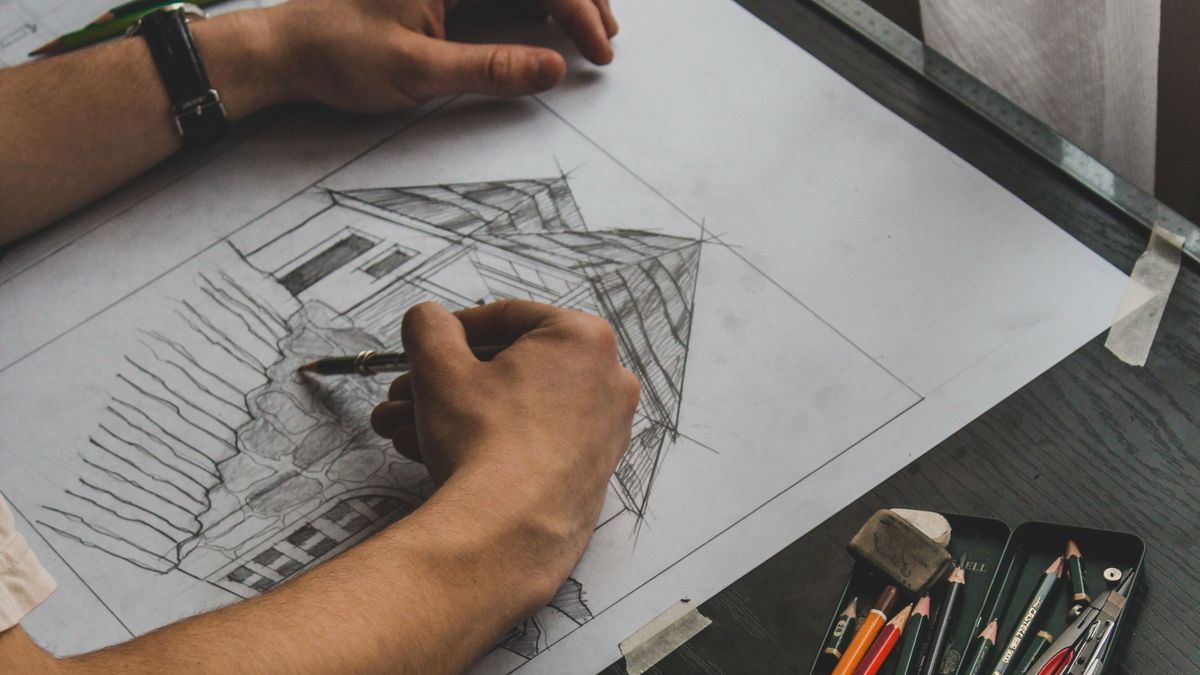
Children in Budapest will have the unique opportunity to shape a new children's museum at the Museum of Ethnography, acting as co-designers in its creation. This initiative employs the Arkki methodology, an approach that has empowered children in various international development projects.
Previously, this method was used in developing a new concept for the Helsinki Architecture and Design Museum between 2021-2022. It was also applied in UNICEF's child-friendly city program in Ho Chi Minh City, involving 275 children, and in designing schools, public spaces, and urban areas across Europe and Asia.
The Budapest workshops will be led by Zsuzska Mészáros, co-founder of Arkki Hungary. Mészáros, an architect and master pedagogue specializing in visual culture, also teaches at the Fazekas Mihály Practice Primary and Secondary School in Budapest. The program at the Museum of Ethnography will launch two groups on September 18: one for students in grades 1-3 and another for grades 4-6, with sessions held on Friday afternoons.
This semester-long course comprises 16 sessions, each lasting one and a half hours, running from September 2026 to January 2027. Arkki Architectural School, a nonprofit organization, is offering this program with a 25 percent subsidized fee, thanks to the support of the Museum of Ethnography. Interested participants can register at www.arkki.hu/kurzusok/tervezz-kiallitast-kurzus.
DistantNews Editorial
Originally published by Magyar Nemzet in Hungarian. Translated, summarized, and contextualized by our editorial team with added local perspective. Read our editorial standards.
More Stories

From Our Blog

Countries Without a Free Press: What You Need to Know

What Press Freedom Means for the News You Read

What Gets Lost (and Found) When News Is Translated

The Critical Role of Diaspora Media in Global News

What Travellers Should Know About Countries with Restricted Press
