



Stutter-step penalties see low success rate at World Cup 2026
Translated from Croatian, summarized and contextualized by DistantNews.
At a glance
News
Sources not specified
Context piece
- The success rate of penalties with a stutter step at the 2026 World Cup is only 57%, compared to 68% for those without.
- This World Cup has seen the lowest penalty success rate since 1966, with 35% of all penalties missed.
- Goalkeepers are becoming more athletic and prepared, contributing to the increased difficulty for penalty takers.
The effectiveness of stutter-step penalties at the 2026 World Cup is being questioned, with statistics revealing a significantly lower success rate compared to conventional approaches. Of the 26 penalties taken with a stutter step, including shootouts, only 15 have found the net, resulting in a success rate of just 57%. In contrast, penalties taken without this hesitation have a success rate of 68%.
This trend contributes to the overall lowest penalty success rate recorded at a World Cup since 1966. Across all penalties taken in the tournament, including shootouts, a staggering 35% have been missed. Even excluding shootouts, 30% of penalties have gone unconverted, marking a historical high for missed opportunities.
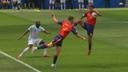
Kylian Mbappé's recent missed penalty in the quarter-final match between France and Morocco, where his shot was saved by goalkeeper Yassine Bounou, exemplifies the struggles. While Mbappé later scored from open play, his penalty miss fueled debate about the efficacy of the stutter-step technique.
Experts suggest that the increased athleticism and preparation of modern goalkeepers are major factors. Goalkeepers are now taller, more agile, and equipped with detailed data on penalty takers' preferred sides, run-ups, and foot placement. Bounou, for instance, has conceded only two goals from nine World Cup penalties faced. The delay caused by VAR checks, as seen in Mbappé's case, can also disrupt a penalty taker's rhythm and execution, further contributing to the challenges faced from the spot.
The idea of this technique is clear: the taker waits for the goalkeeper to reveal the side. But the problem arises when the goalkeeper does not move. Then the player loses rhythm, strength, and the naturalness of the shot, and the attempt to outsmart ends with a too weak, lukewarm shot.
DistantNews Editorial
Originally published by Večernji List in Croatian. Translated, summarized, and contextualized by our editorial team with added local perspective. Read our editorial standards.
More Stories


From Our Blog

What Gets Lost (and Found) When News Is Translated

The Critical Role of Diaspora Media in Global News

What Travellers Should Know About Countries with Restricted Press

A Digital Nomad's Guide to Following Local News

How the Same Story Looks Different in Different Countries
